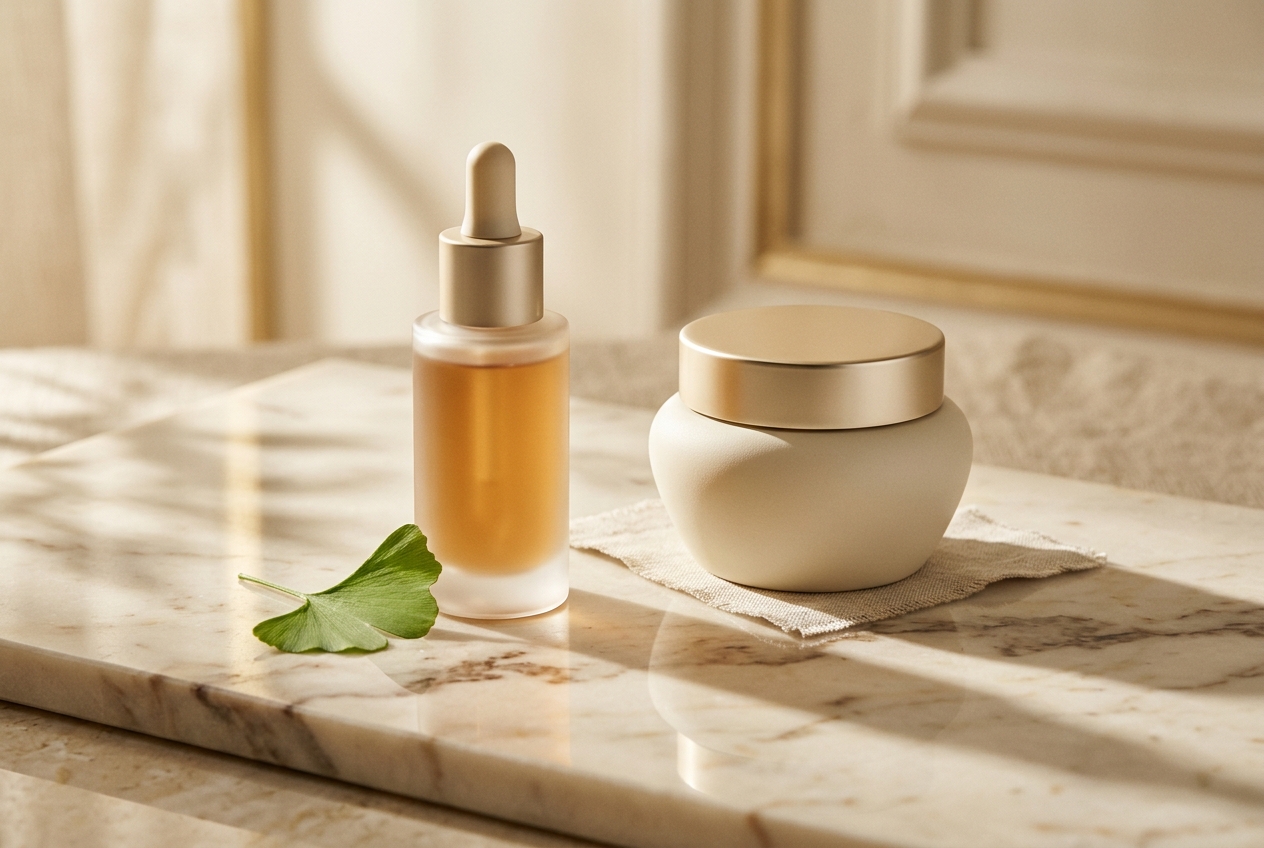
In the rarefied world of prestige skincare, texture has evolved from a secondary consideration to a primary determinant of perceived luxury. The sensory experience—that first moment when fingertips meet formulation—now commands as much research investment as active ingredient efficacy. For discerning consumers willing to invest in ultra-premium products, the journey from jar to skin must deliver an orchestrated sensorial symphony that justifies price points often exceeding £200 per 50ml.
The Science of Sensory Perception in Cosmetics
Luxury texture begins with understanding cutaneous perception. The skin contains numerous mechanoreceptors—Meissner's corpuscles, Pacinian corpuscles, Merkel cells, and Ruffini endings—each responding to different tactile stimuli. Prestige formulators leverage this neurological architecture to create what cosmetic scientists term 'sensory signatures': distinctive textural profiles that become synonymous with brand identity.
The temporal dimension proves equally critical. A luxury formulation typically exhibits three distinct sensory phases: the initial pick-up (how product lifts from container), the application phase (glide, spreadability, and absorption characteristics), and the after-feel (residual sensation post-application). Each phase requires meticulous engineering to satisfy the sophisticated palates of prestige consumers.
Rheology: The Foundation of Textural Luxury
Rheological profiling forms the technical backbone of sensory formulation. This branch of physics examines how materials flow and deform under applied forces—precisely what occurs during skincare application. Premium formulations often exhibit non-Newtonian behaviour, meaning their viscosity changes with applied stress.
Thixotropic textures, which thin under shear stress before recovering their structure, dominate the luxury segment. These formulations feel substantial in the jar yet transform into silky, effortlessly spreadable textures upon application. Achieving this behaviour requires sophisticated structuring systems, often combining multiple rheology modifiers including natural polysaccharides, modified clays, and synthetic polymers in carefully calibrated ratios.
Yield stress—the force required to initiate flow—separates ordinary from exceptional textures. Prestige creams typically target yield stress values between 50-150 Pa, creating that satisfying resistance that communicates richness without feeling heavy or difficult to dispense.
The Emulsion Architecture of Prestige Formulations
Ultra-luxury skincare increasingly employs complex emulsion systems that transcend traditional oil-in-water or water-in-oil classifications. Triple emulsions, liquid crystal structures, and lamellar gel networks create distinctive sensory profiles whilst enhancing ingredient delivery.
Liquid crystal technology, inspired by the skin's own lipid bilayer organisation, produces textures described as 'melting' or 'transforming'. These structures scatter light differently than conventional emulsions, contributing to the luminous, opalescent appearance associated with prestige products. The tactile experience—a cooling sensation followed by rapid absorption—results from the phase transition as liquid crystals encounter skin temperature.
High internal phase emulsions (HIPEs), where the dispersed phase exceeds 74% of total volume, deliver rich, cushioning textures without excessive oiliness. These systems require sophisticated emulsification techniques and stabilisation strategies, areas where experienced contract manufacturing partners prove invaluable for brands seeking to enter the prestige segment.
Sensory Modifiers and Aesthetic Enhancers
The selection of emollients profoundly influences perceived luxury. Prestige formulations favour materials offering elegant spreadability and rapid skin compatibility. Lightweight esters such as C12-15 alkyl benzoate and caprylic/capric triglyceride provide silky glide, whilst squalane and certain botanical oils contribute nourishment without greasiness.
Silicone technology remains contentious yet undeniably effective for luxury textures. Volatile silicones like cyclopentasiloxane evaporate post-application, leaving imperceptible films that smooth skin texture. However, increasing consumer preference for 'clean' formulations has accelerated development of plant-derived alternatives including hemisqualane and certain oleosomes that partially replicate silicone sensory benefits.
Powders and pigments aren't exclusive to colour cosmetics. In skincare, treated silicas, boron nitride, and polymethylsilsesquioxane spheres create soft-focus effects whilst modifying texture. These materials absorb sebum, reduce tackiness, and impart the velvety after-feel synonymous with luxury formulations.
The Role of Temperature and Phase Transitions
Thermochromic and temperature-responsive formulations represent the avant-garde of sensory innovation. Balms that melt at skin temperature, serums that warm upon application, and creams that provide cooling sensations through endothermic reactions create memorable experiences that distinguish prestige offerings from mass-market alternatives.
Encapsulation technologies enable controlled release of sensory modifiers. Menthol or cooling agents within microspheres or liposomes deliver delayed freshness, extending the sensory experience beyond initial application. This temporal complexity—changing sensations over seconds or minutes—creates the multidimensional experiences prestige consumers expect.
Validation Through Sensory Profiling
Luxury brands invest substantially in quantitative sensory analysis. Trained panels evaluate formulations across 20-30 attributes including thickness, spreadability, glide, absorption speed, skin feel, and residue. Statistical techniques such as principal component analysis identify which textural characteristics drive consumer preference within specific market segments.
Instrumental methods complement human assessment. Texture analysers measure firmness, cohesiveness, and work of shear with reproducible precision. Tribology testing quantifies friction coefficients during application, whilst laser profilometry reveals how formulations modify skin surface topography—the physical basis for 'blurring' or 'smoothing' claims.
Formulating for the Future of Luxury
Sustainability pressures are reshaping prestige sensory formulation. Biotechnology-derived ingredients including precision-fermented peptides and upcycled botanical extracts must integrate seamlessly into luxury textures. The challenge lies in maintaining sensory excellence whilst transitioning to renewable, biodegradable, and ethically sourced portfolios.
Customisation represents another frontier. Brands exploring Wellmax & Maxwell ranges and similar prestige offerings increasingly seek formulations adaptable to individual preferences—adjustable viscosity, personalised fragrance intensity, or variable richness whilst maintaining brand-defining sensory signatures.
As the prestige skincare market continues its trajectory towards ever-greater sophistication, the marriage of cosmetic science and sensory artistry becomes increasingly crucial. Brands seeking to establish or expand their presence in the luxury segment must partner with manufacturers possessing both technical expertise and sensory intuition. The texture revolution in prestige skincare isn't merely about feeling good—it's about creating unforgettable sensory narratives that transform functional products into coveted luxuries.
Ready to develop prestige formulations with unforgettable sensory profiles? Our technical team combines advanced rheological expertise with deep understanding of luxury market expectations to bring your vision to life. Contact us to discuss how we can elevate your brand through exceptional textural experiences.