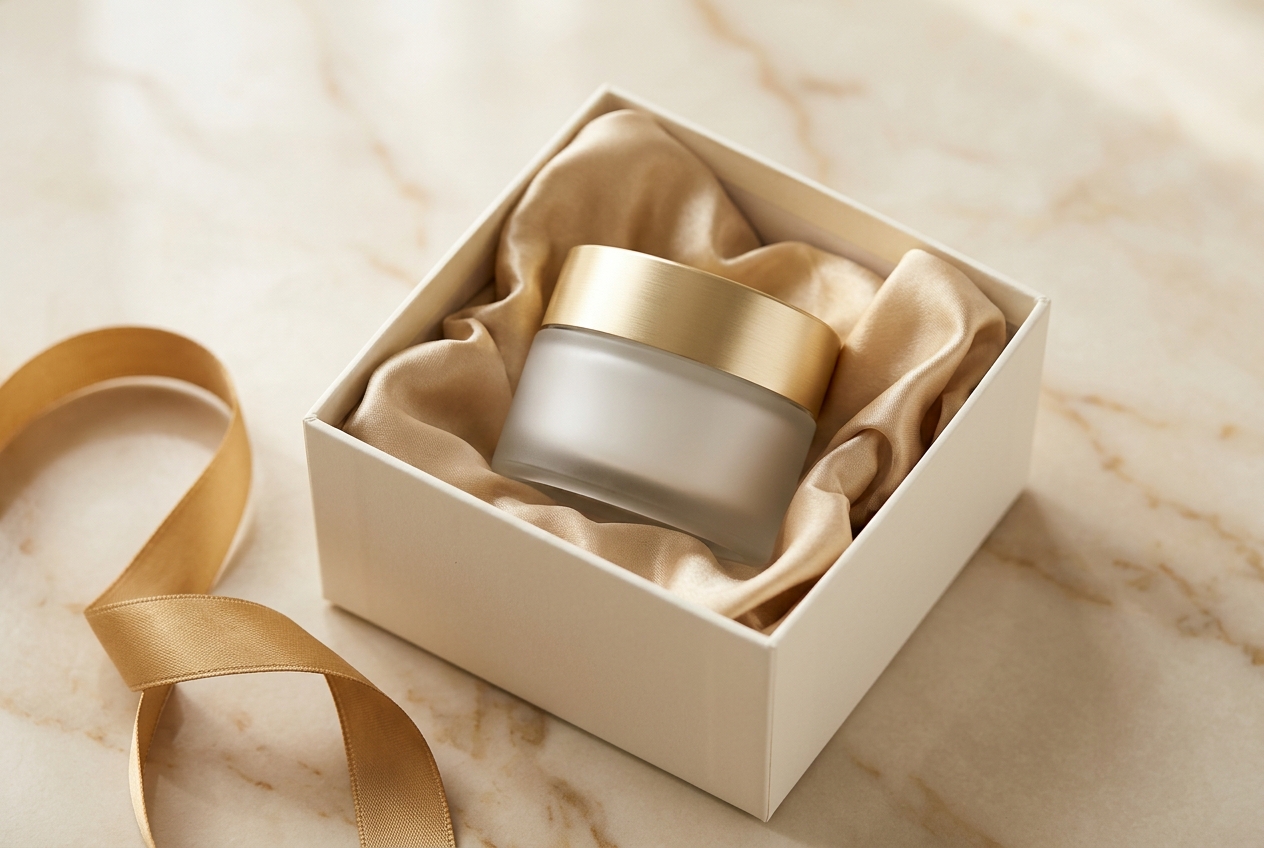
The ultra-luxury cosmetics landscape is undergoing a fundamental transformation as discerning consumers increasingly reject the traditional one-size-fits-all approach. Hyper-personalisation—the creation of bespoke formulations tailored to individual genetic profiles, environmental factors and lifestyle parameters—has emerged as the defining characteristic of prestige beauty in the 2020s. This shift represents not merely a marketing evolution but a scientific revolution in how we conceptualise skincare efficacy and luxury positioning.
The Science Behind Hyper-Personalisation
Contemporary hyper-personalisation extends far beyond simple skin-typing questionnaires. Leading luxury houses now employ genomic testing, epigenetic analysis and artificial intelligence to decode the unique biological signatures that determine how individual skin responds to active ingredients. DNA testing can identify genetic predispositions to collagen degradation, antioxidant deficiency and inflammation pathways, enabling formulators to select actives that target specific genetic vulnerabilities.
Advanced diagnostic technologies such as spectrophotometry, corneometry and sebometry provide quantifiable data on skin hydration levels, barrier function and lipid composition. When combined with lifestyle analytics—including sleep patterns, dietary habits, pollution exposure and stress markers—these insights create comprehensive biological profiles that inform truly personalised formulation strategies.
Made-to-Order Manufacturing: Challenges and Opportunities
The operational complexity of made-to-order luxury cosmetics presents significant challenges for manufacturers. Traditional batch production relies on economies of scale, whilst bespoke creation demands flexible manufacturing systems capable of producing individual units without compromising quality or stability. Contract manufacturing partners with advanced capabilities are essential for brands seeking to enter this space without substantial capital investment in specialised equipment.
Preservation systems pose particular challenges in small-batch production. Formulators must ensure microbiological safety whilst maintaining the efficacy of heat-sensitive actives and the sensory profile expected at luxury price points. Contemporary solutions include airless dispensing systems, controlled-atmosphere production environments and innovative preservation technologies that eliminate the need for traditional preservative systems.
The Technology Enabling Bespoke Beauty
Artificial intelligence algorithms now process vast datasets to predict optimal ingredient combinations for individual users. Machine learning systems analyse thousands of formulation parameters—ingredient interactions, penetration enhancers, delivery systems and stability factors—to generate bespoke recipes that balance efficacy with sensory elegance.
Digital microfluidics and precision dispensing technologies enable accurate measurement and mixing of small quantities, ensuring consistency even when producing single units. These systems can handle viscous emulsions, incorporate encapsulated actives and create complex multi-phase formulations with the precision previously achievable only in large-scale production.
Blockchain and Traceability
Ultra-luxury consumers expect complete transparency regarding ingredient sourcing and manufacturing provenance. Blockchain technology enables immutable records of each bespoke product's creation, documenting the origin of every raw material, production parameters and quality control data. This level of traceability reinforces the exclusivity narrative whilst addressing growing concerns about authenticity and ethical sourcing.
The Economics of Personalised Luxury
Hyper-personalised cosmetics command significant price premiums, with bespoke serums frequently exceeding £500 per 30ml. This pricing reflects not only the complexity of formulation and manufacture but also the consultation services, diagnostic testing and ongoing monitoring that accompany truly personalised beauty regimens. Brands successfully operating in this space typically position bespoke offerings as the pinnacle of multi-tier product ranges, using personalisation to reinforce luxury credentials whilst maintaining accessible entry points through Wellmax & Maxwell ranges.
The business model relies on high margins and customer lifetime value rather than volume. Successful programmes cultivate long-term relationships through quarterly reformulations that adjust to seasonal changes, life stages and evolving skin conditions. This approach transforms customers into clients, fostering loyalty that transcends traditional retail dynamics.
Regulatory Considerations
Made-to-order cosmetics must navigate complex regulatory frameworks. In the UK and EU, each variation potentially constitutes a distinct product requiring safety assessment under the Cosmetics Regulation (EC) No 1223/2009. Sophisticated brands address this through platform formulations—pre-approved base systems into which personalised active complexes are incorporated within defined parameters, ensuring compliance whilst maintaining flexibility.
GMP and ISO 22716 certification become even more critical in bespoke manufacturing, where traditional quality control measures must adapt to small-batch production without compromising safety or efficacy standards.
The Future of Bespoke Beauty
Emerging technologies promise to further democratise hyper-personalisation whilst enhancing scientific sophistication. At-home diagnostic devices using smartphone spectroscopy and AI analysis will enable real-time skin assessment, whilst 3D printing technologies may eventually allow consumers to produce personalised cosmetics in domestic settings using professionally formulated concentrate pods.
The convergence of nutrigenomics, microbiome science and topical skincare will create holistic personalisation systems that address skin health through multiple modalities, with bespoke topical formulations complemented by personalised supplements and lifestyle recommendations.
Hyper-personalisation represents the apex of luxury cosmetics innovation, combining cutting-edge science with the timeless appeal of exclusivity. As diagnostic technologies advance and manufacturing systems become more flexible, bespoke beauty will transition from niche curiosity to expected standard within the ultra-luxury segment. For brands and manufacturers positioned to deliver genuine personalisation—not merely customised packaging or superficial choice architecture—this evolution presents unprecedented opportunities to redefine luxury, efficacy and customer relationships in the prestige beauty sector.
Are you ready to explore hyper-personalised cosmetics for your brand? Contact ARGE Cosmetics to discuss how our advanced formulation capabilities and flexible manufacturing systems can bring your bespoke beauty vision to life with uncompromising quality and regulatory compliance.