The resurgence of artisan cosmetics has brought renewed attention to cold-processing techniques, a formulation methodology that prioritises ingredient integrity over industrial efficiency. As ultra-luxury brands compete to offer unprecedented efficacy, the preservation of heat-sensitive actives through temperature-controlled manufacturing has become a hallmark of prestige formulation.
Understanding Cold-Processing in Cosmetic Formulation
Cold-processing refers to manufacturing methods that maintain temperatures below 40°C throughout the production cycle, though some protocols stipulate even lower thresholds of 30°C. This approach contrasts sharply with conventional hot-processing, where emulsions are typically heated to 70-80°C to facilitate ingredient solubility and microbial reduction. Whilst heat expedites production, it compromises the structural integrity of numerous botanical extracts, peptides, enzymes, and vitamins that constitute the efficacy foundation of luxury skincare.
The technique demands meticulous formulation expertise. Without heat to aid emulsification, cosmetic chemists must rely on sophisticated emulsifier systems, often combining multiple surfactants with complementary HLB values to achieve stable oil-in-water or water-in-oil dispersions. The process requires extended mixing times and precise ingredient sequencing, factors that substantially increase production costs—a consideration that positions cold-processed products firmly within the prestige market segment.
Heat-Sensitive Actives: The Fragile Powerhouses
Certain cosmetic actives demonstrate marked degradation when exposed to elevated temperatures, rendering cold-processing not merely preferential but essential for formulation efficacy.
Retinol and Retinoid Derivatives
Retinol exhibits significant thermal instability, with degradation accelerating exponentially above 40°C. Studies examining retinol stability have demonstrated that temperature control during manufacturing directly correlates with product shelf-life and clinical efficacy. Cold-processing ensures maximum potency retention from production through to consumer application.
Ascorbic Acid and Vitamin C Compounds
L-ascorbic acid, the most biologically active form of vitamin C, presents formulation challenges due to its susceptibility to heat, light, and oxidation. Even brief thermal exposure during manufacturing can trigger oxidative cascades that diminish antioxidant capacity. Artisan formulators increasingly favour cold-processing for vitamin C serums, often incorporating the active in the final manufacturing stages to minimise thermal stress.
Peptides and Growth Factors
Biomimetic peptides and recombinant growth factors represent substantial investments in luxury formulations, with raw material costs occasionally exceeding £5,000 per kilogramme. These complex molecules contain peptide bonds vulnerable to thermal denaturation. Cold-processing preserves their tertiary structure, ensuring the signal peptides maintain their biological activity upon application.
Probiotic Extracts and Enzymes
The microbiome skincare movement has elevated probiotic lysates and active enzymes to coveted status among discerning consumers. These biological actives lose functionality rapidly when heated, as thermal energy disrupts the precise three-dimensional configurations required for enzymatic activity. Cold-processing remains the only viable manufacturing approach for formulations containing live or thermally-sensitive probiotic fractions.
Technical Considerations for Artisan Production
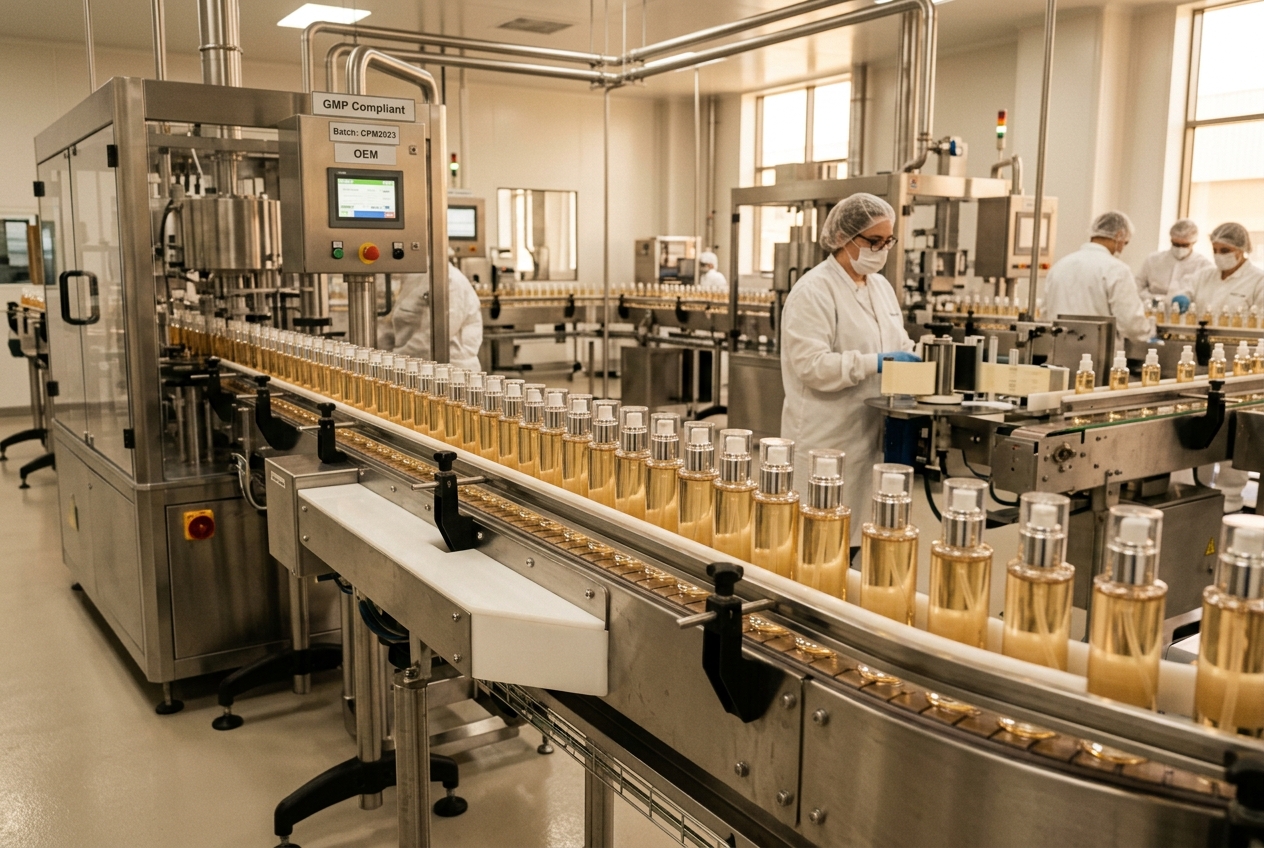
Implementing cold-processing protocols within contract manufacturing environments requires substantial technical adaptation. Preservation systems warrant particular attention, as traditional heat-dependent preservation strategies become unavailable. Formulators must employ robust broad-spectrum preservative systems, often combining multiple antimicrobials with chelating agents to ensure microbiological stability without thermal processing.
Texture and sensory profiles also demand reformulation when transitioning from hot to cold processing. Heat naturally reduces viscosity during manufacturing, facilitating ingredient incorporation and air removal. Cold-processed formulations require alternative approaches—extended vacuum mixing, specialised homogenisation equipment, and sometimes novel rheology modifiers that perform optimally at ambient temperatures.
Quality Assurance and Batch Consistency
Cold-processing introduces variability challenges absent in heat-standardised production. Temperature fluctuations of merely 5-10°C can alter emulsion formation rates and final product characteristics. Luxury brands partnering with specialist manufacturers must ensure robust environmental controls and validated processes that deliver batch-to-batch consistency—non-negotiable expectations within the prestige segment.
Market Positioning and Consumer Perception
The artisan cosmetics renaissance has transformed cold-processing from a technical specification into a marketing asset. Educated consumers increasingly recognise cold-processed claims as indicators of formulation sophistication and ingredient respect. Brands such as those available through Wellmax & Maxwell leverage cold-processing narratives to reinforce positioning within the ultra-premium category, where process transparency and ingredient provenance command price premiums.
Regulatory frameworks support this trend. Whilst cold-processing itself requires no specific declaration, the ability to claim 'active ingredient stability' and 'full-potency formulation' provides competitive advantages in increasingly crowded luxury markets. These assertions must, naturally, be substantiated through stability testing and analytical verification—areas where GMP and ISO 22716 certification provide essential credibility.
Future Trajectories in Temperature-Controlled Formulation
Innovation continues apace within cold-processing technology. Emerging techniques including ultrasonic emulsification, high-pressure homogenisation at controlled temperatures, and phase-inversion protocols conducted below critical thermal thresholds expand formulation possibilities whilst maintaining ingredient integrity. These advances suggest that cold-processing will transition from artisan distinction to industry standard within the luxury segment.
Are you seeking to develop cold-processed formulations that preserve your most precious actives? Our GMP-certified facilities and formulation expertise ensure your heat-sensitive ingredients deliver their full potential. Contact our technical team to discuss how advanced cold-processing protocols can elevate your luxury skincare range.