The prestige beauty sector stands at a pivotal juncture where environmental responsibility and luxury aesthetics must coexist. Today's discerning consumers expect brands to deliver both sumptuous sensory experiences and demonstrable sustainability credentials. This shift has catalysed a renaissance in packaging innovation, with refillable glass systems and eco-conscious materials emerging as the hallmarks of contemporary ultra-luxury cosmetics.
The Evolution of Refillable Luxury Packaging
Refillable packaging represents far more than a fleeting trend; it constitutes a fundamental reimagining of the luxury beauty proposition. Heritage fragrance houses pioneered this concept decades ago, yet only recently has the model gained traction across skincare, colour cosmetics, and treatment products. The modern refillable system balances several critical elements: uncompromising aesthetic appeal, engineering precision, and genuine environmental benefit.
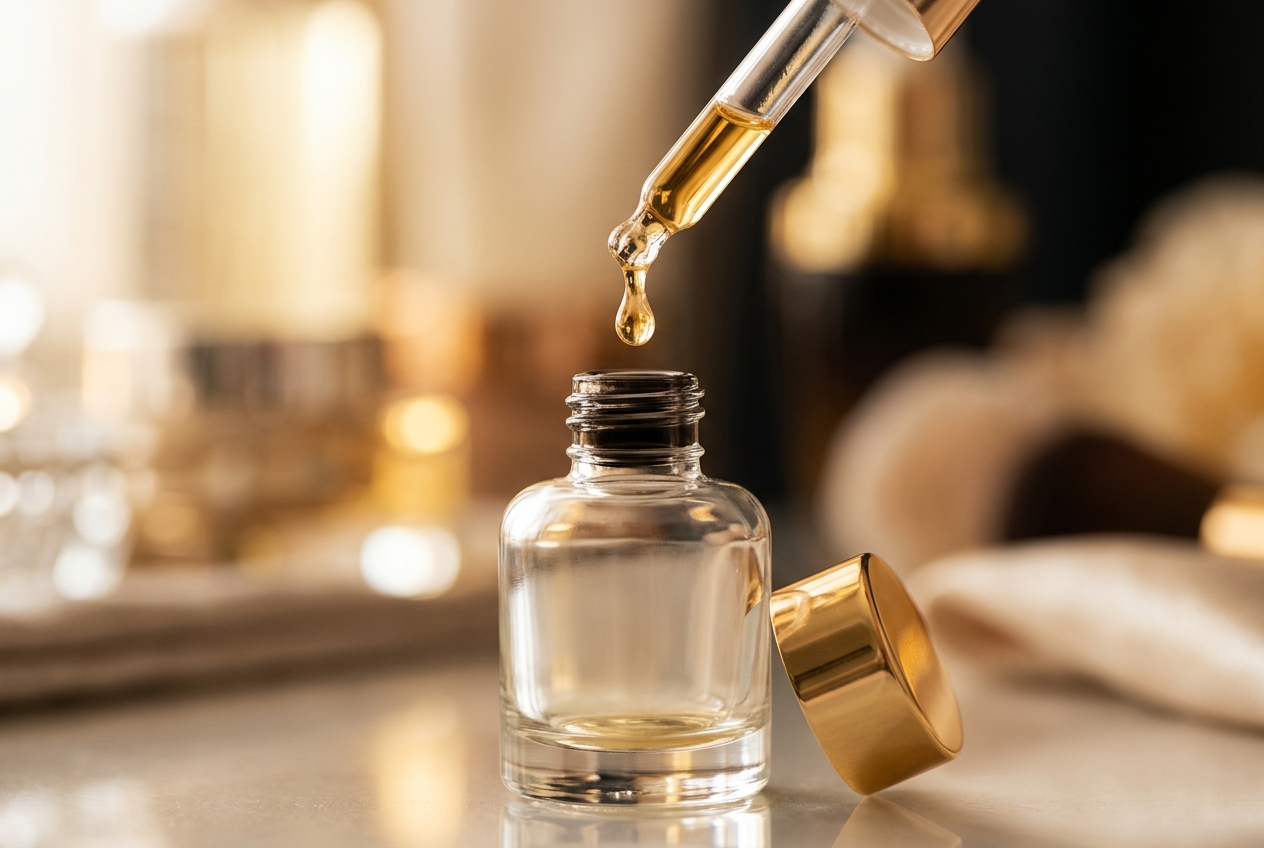
Premium glass remains the material of choice for luxury refillable systems due to its inherent properties. Unlike plastic alternatives, glass maintains product integrity without leaching chemicals, preserves fragrance and formulation stability, and conveys the gravitas expected of prestige positioning. Leading brands now commission bespoke glass vessels designed for longevity, transforming packaging from disposable necessity into cherished objet d'art.
Engineering the Perfect Refill Mechanism
The technical challenges inherent in refillable systems require sophisticated engineering. Mechanisms must operate intuitively whilst maintaining airtight seals that protect sensitive formulations from oxidation and contamination. Magnetic closures, twist-lock bases, and click-fit cartridges represent the current state of the art, each offering distinct advantages for different product categories.
For contract manufacturing partners, developing refillable systems demands investment in specialised tooling and rigorous testing protocols. The initial component cost typically exceeds traditional packaging by 40-60%, yet this premium proves justifiable when amortised across multiple refill cycles and enhanced brand equity.
Sustainable Materials Beyond Glass
Whilst glass anchors luxury refillable systems, complementary materials undergo parallel innovation. Post-consumer recycled (PCR) plastics now achieve clarity and finish quality previously exclusive to virgin materials. Advances in sorting and reprocessing technology enable PCR content exceeding 50% in secondary packaging components without compromising appearance or functionality.
Bio-based materials present another frontier, though prestige applications remain selective. Polylactic acid (PLA) derived from fermented plant sugars offers compostability advantages, yet its moisture sensitivity and limited heat tolerance constrain usage to specific applications. More promising are emerging bio-polyethylenes that replicate conventional plastic performance whilst sequestering atmospheric carbon during feedstock cultivation.
Luxury Aesthetics Meet Environmental Imperatives
The apparent contradiction between luxury and sustainability dissolves upon closer examination. Consumers investing in prestige beauty seek products embodying craft, longevity, and considered design—values perfectly aligned with sustainable principles. A weighty glass compact designed for decades of use communicates luxury more eloquently than disposable alternatives, regardless of price point.
Brands such as Wellmax & Maxwell demonstrate that eco-conscious packaging enhances rather than diminishes luxury positioning. Minimalist designs showcasing material quality, precision manufacturing, and timeless aesthetics resonate with contemporary luxury consumers who increasingly reject ostentatious excess in favour of understated refinement.
The Circular Economy in Prestige Beauty
Refillable systems represent one component of broader circular economy strategies gaining momentum throughout prestige beauty. Return-and-refill programmes, whereby customers post empty containers back to brands for professional cleaning and refilling, eliminate consumer handling concerns whilst ensuring hygiene standards. Several ultra-luxury houses now offer in-store refill stations, transforming routine replenishment into experiential retail moments.
The economics prove compelling for brands committed to long-term thinking. Whilst initial system investment appears substantial, reduced material costs per unit, enhanced customer retention, and premium pricing for refills generate attractive lifetime value. Analysis suggests well-executed refillable programmes can improve gross margins by 8-12% after breakeven, typically achieved within 18-24 months.
Regulatory Considerations and Quality Assurance
Refillable systems introduce specific regulatory and quality assurance considerations. European cosmetics regulations mandate that refillable primary packaging maintain product stability and safety throughout multiple cycles. This necessitates accelerated stability testing under conditions simulating repeated opening, closing, and refilling. Material compatibility testing assumes heightened importance, as any degradation affecting product safety or efficacy proves unacceptable.
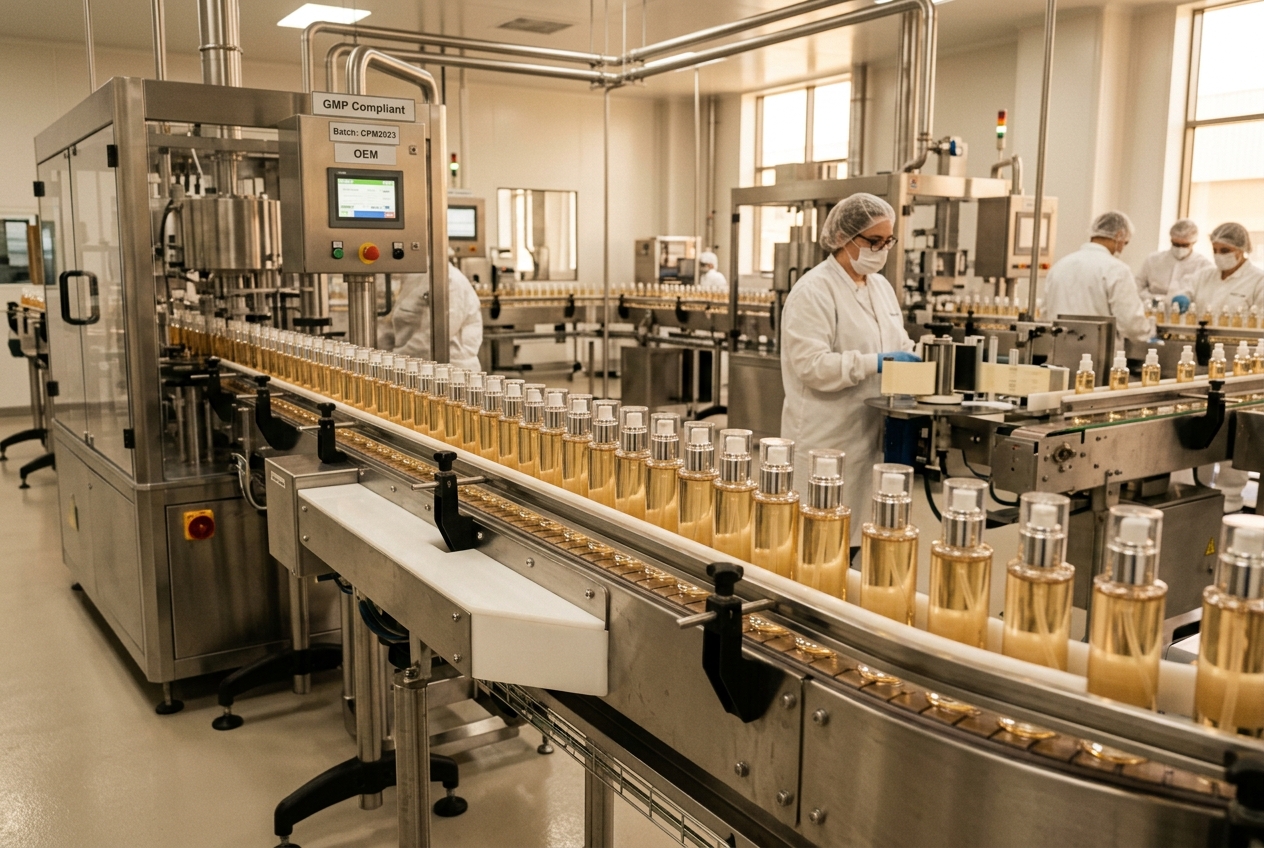
GMP-compliant manufacturers must validate cleaning protocols for reusable components, ensuring complete removal of residual product between uses. Documentation requirements intensify, with traceability extending across multiple product lifecycles. These rigorous standards ultimately benefit consumers, guaranteeing that refillable luxury products maintain uncompromising quality and safety.
Consumer Perception and Market Dynamics
Market research consistently demonstrates that sustainability credentials influence prestige beauty purchasing decisions, particularly among affluent millennials and Generation Z consumers. However, environmental benefits alone prove insufficient; refillable systems must deliver tangible luxury experiences that justify premium positioning. Successful implementations balance ecological responsibility with the tactile pleasure, visual beauty, and ritual significance that define luxury beauty consumption.
The prestige beauty sector's embrace of refillable glass and sustainable packaging materials signals a maturation beyond greenwashing towards substantive environmental commitment. For brands, retailers, and contract manufacturing partners alike, this evolution presents both challenges and opportunities. Those investing in genuinely innovative, beautifully executed sustainable packaging systems will differentiate themselves in an increasingly conscious marketplace.
Ready to develop your next sustainable luxury beauty line? Our team brings decades of expertise in formulation development, sustainable packaging innovation, and prestige brand manufacturing. Contact us today to discuss how we can bring your vision of responsible luxury to life whilst maintaining uncompromising quality and aesthetic excellence.