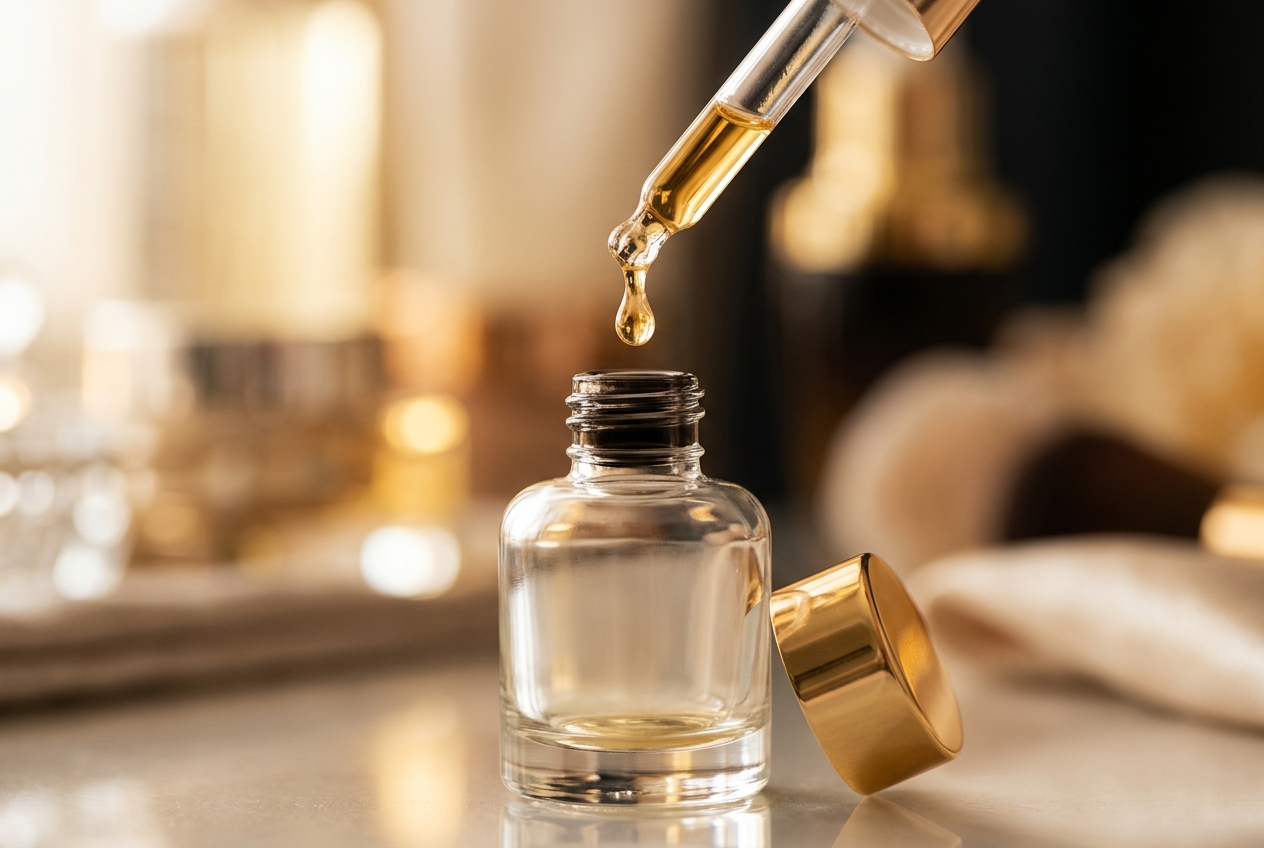
The prestige skincare sector has witnessed a remarkable evolution in peptide technology, transforming these amino acid chains from supporting ingredients into the cornerstone of next-generation luxury serums. As consumer sophistication increases and demands for clinical efficacy intensify, peptide innovation represents the convergence of biotechnology, dermatological science, and luxury formulation expertise.
Understanding Peptide Technology in Modern Skincare
Peptides are short chains of amino acids that function as biological messengers, instructing skin cells to perform specific functions. Unlike their cosmetic predecessors, contemporary peptides demonstrate remarkable specificity, targeting precise cellular pathways with documented biochemical precision. The luxury segment has embraced these compounds because they offer tangible results whilst maintaining the elegance and sensorial qualities expected at premium price points.
Modern peptide serums leverage advanced delivery systems that protect these delicate molecules from degradation, ensuring they penetrate the stratum corneum effectively. Encapsulation technologies, liposomal carriers, and bio-compatible polymers have become essential components in sophisticated formulations, addressing the historical challenge of peptide stability and bioavailability.
Categories of Next-Generation Peptides
Signal Peptides
Signal peptides, particularly palmitoyl sequences, have revolutionised anti-ageing formulations by stimulating fibroblast activity and promoting collagen synthesis. These biomimetic compounds mimic the body's natural repair mechanisms, sending messages that encourage structural protein production. Palmitoyl pentapeptide-4, often found in ultra-luxury formulations, has become synonymous with clinically-driven skincare that delivers visible improvements in skin firmness and texture.
Carrier Peptides
Carrier peptides facilitate the delivery of essential trace elements, particularly copper, which plays a crucial role in wound healing and enzymatic processes. Copper tripeptide-1 has garnered considerable attention within prestige formulations for its capacity to support skin regeneration whilst exhibiting antioxidant properties. These multi-functional peptides represent exceptional value in luxury formulations where ingredient synergy is paramount.
Neurotransmitter-Inhibiting Peptides
Drawing inspiration from aesthetic medicine, neurotransmitter-inhibiting peptides offer a topical alternative to injectable treatments. Acetyl hexapeptide-8 and similar sequences modulate muscle contraction at the cellular level, addressing expression lines with a mechanism distinct from traditional moisturising or exfoliating approaches. This category has become particularly significant in ultra-premium serums targeting consumers seeking non-invasive solutions.
Enzyme-Inhibiting Peptides
These sophisticated molecules interfere with enzymes responsible for collagen and elastin degradation. By inhibiting matrix metalloproteinases (MMPs), enzyme-inhibiting peptides preserve the structural integrity of the dermal matrix. Their inclusion in luxury formulations reflects a preventative approach to ageing, appealing to discerning consumers who understand the importance of protection alongside correction.
Innovation in Peptide Synthesis and Sourcing
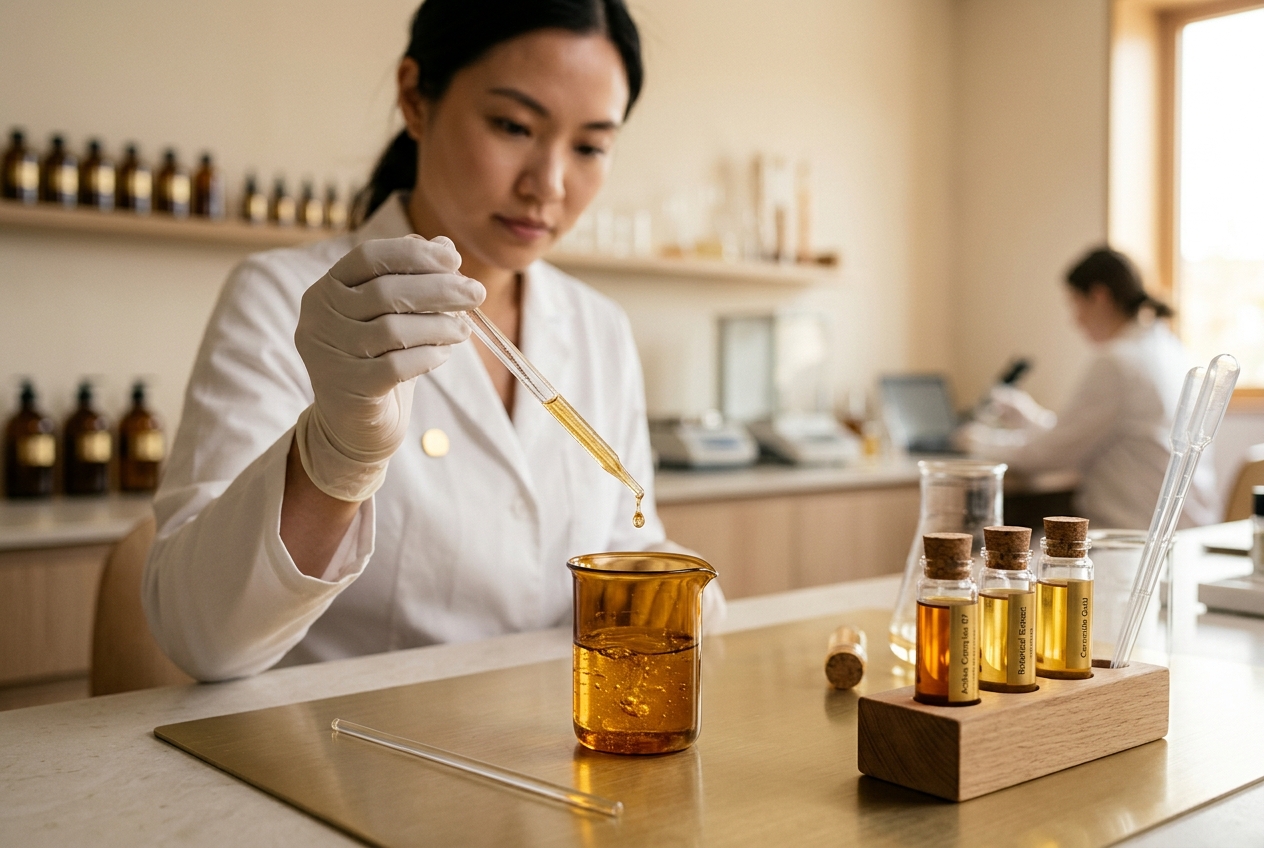
The contemporary luxury market increasingly favours peptides produced through biotechnological fermentation processes rather than traditional synthetic chemistry. These bio-fermented peptides offer improved sustainability credentials whilst maintaining the purity and consistency essential for premium formulations. Advanced contract manufacturing facilities now incorporate bioreactor technology, enabling the production of novel peptide sequences with enhanced stability profiles and reduced environmental impact.
Biomimetic peptide design represents another frontier in luxury skincare innovation. Scientists now engineer peptide sequences that precisely replicate naturally occurring growth factors and cytokines, offering targeted activity without the regulatory complexity or stability challenges associated with actual proteins. This approach has enabled formulators to create serums with unprecedented specificity in addressing concerns from pigmentation to barrier dysfunction.
Formulation Challenges and Solutions
Incorporating multiple peptides into a single luxury serum presents significant technical challenges. Peptides exhibit varying stability profiles across pH ranges, and some sequences may compete for penetration pathways or cellular receptors. Leading formulators employ sophisticated buffering systems and sequential encapsulation technologies to ensure each peptide maintains its integrity and delivers optimal activity.
The sensorial aspects of peptide serums demand equal attention to their clinical efficacy. Luxury consumers expect impeccable textures, rapid absorption, and compatibility with subsequent skincare steps. Achieving this whilst maintaining high peptide concentrations requires expertise in emulsion science, rheology modification, and sensory optimisation—capabilities that distinguish premium formulations from conventional alternatives.
The Future of Peptide Innovation
Emerging research explores peptides with multi-modal activity, single molecules capable of addressing multiple ageing pathways simultaneously. Hybrid peptides combining different functional sequences represent a particularly promising avenue, potentially reducing formula complexity whilst enhancing overall efficacy. Additionally, personalised peptide selection based on genetic markers or individual skin microbiome profiles may define the next generation of ultra-luxury skincare.
The integration of artificial intelligence in peptide discovery accelerates the identification of novel sequences with desired properties. Computational modelling now predicts peptide behaviour, stability, and skin penetration characteristics before synthesis, streamlining development timelines and reducing costs—benefits that ultimately enhance innovation accessibility across the luxury sector.
Regulatory Considerations and Quality Assurance
As peptide technology advances, regulatory frameworks continue evolving to address these sophisticated ingredients. GMP-compliant manufacturing with robust quality control becomes increasingly critical when handling complex peptide formulations. Stability testing, analytical verification of peptide identity and concentration, and preservation efficacy studies represent non-negotiable requirements for luxury brands committed to product integrity and consumer safety.
The prestige positioning of peptide serums demands transparency regarding ingredient provenance, concentration, and supporting evidence. Discerning consumers and professional buyers increasingly scrutinise formulations, expecting detailed technical information and substantiation for efficacy claims.
The peptide revolution in luxury skincare continues to gain momentum, driven by scientific innovation and consumer demand for results-oriented formulations. Whether you're exploring cutting-edge formulations through our Wellmax & Maxwell collections or seeking to develop proprietary peptide serums, understanding these sophisticated technologies is essential for success in the prestige beauty market. Contact our technical team to discuss how peptide innovation can elevate your luxury skincare portfolio and deliver the clinical efficacy your discerning clientele expects.