The prestige beauty sector is witnessing a profound transformation as neurocosmetics emerge at the intersection of neuroscience, dermatology and sensory psychology. This sophisticated category transcends traditional cosmetic benefits by engaging the skin-brain axis—a bidirectional communication network that links cutaneous responses with neurological and emotional states. For discerning consumers seeking holistic wellness solutions, neurocosmetics offer a scientifically grounded approach to beauty that addresses both visible skin concerns and invisible emotional needs.
Understanding the Skin-Brain Connection
The skin functions as far more than a protective barrier. Research into the neuroendocrine-cutaneous system has revealed that skin cells possess receptors for neurotransmitters and hormones, enabling direct communication with the nervous system. Keratinocytes, melanocytes and sebocytes all express receptors for serotonin, dopamine and endorphins, whilst simultaneously producing these neuromediators themselves. This intricate relationship explains why stress manifests as skin inflammation, and conversely, why certain topical formulations can influence mood and perception.
Sensory neurons in the dermis respond to temperature, texture and chemical signals, transmitting information to the brain that shapes our emotional response to beauty rituals. The olfactory bulb's direct connection to the limbic system—the brain's emotional centre—means that fragrance compounds in cosmetic formulations can trigger immediate psychological responses, from relaxation to invigoration.
Key Actives in Neurocosmetic Formulations
Prestige neurocosmetic formulations incorporate specific ingredients selected for their ability to modulate the skin-brain axis whilst delivering conventional cosmetic benefits.
Neuropeptides and Neurotransmitter Modulators
Advanced formulations feature peptides that mimic endorphins or influence neurotransmitter activity. Acetyl hexapeptide-8, widely recognised for its muscle-relaxing properties, works by interfering with SNARE complex formation, reducing the appearance of expression lines whilst potentially promoting a sense of facial relaxation. Other neuropeptides support the skin's natural calming mechanisms, reducing neurogenic inflammation triggered by stress.
Adaptogens and Phytocannabinoids
Botanical adaptogens such as ashwagandha, rhodiola and reishi mushroom extracts help skin cells resist environmental and psychological stressors. These ingredients modulate cortisol receptors in skin cells, potentially mitigating the visible effects of chronic stress including premature ageing and sensitivity. Phytocannabinoids derived from hemp interact with the endocannabinoid system present in skin, supporting homeostasis and potentially reducing inflammation and discomfort.
Sensory Modulators
Ingredients that influence sensory perception occupy a unique niche in neurocosmetics. Menthyl lactate and similar cooling agents activate TRPM8 receptors, creating refreshing sensations that can promote alertness. Conversely, warming compounds or those that enhance skin's tactile qualities contribute to comforting, cocooning experiences that may reduce perceived stress levels.
Multisensory Product Design in Prestige Beauty
The neurocosmetic philosophy extends beyond ingredient selection to encompass the entire sensory experience. Texture, fragrance, colour and application method collectively influence the psychological impact of a beauty product.
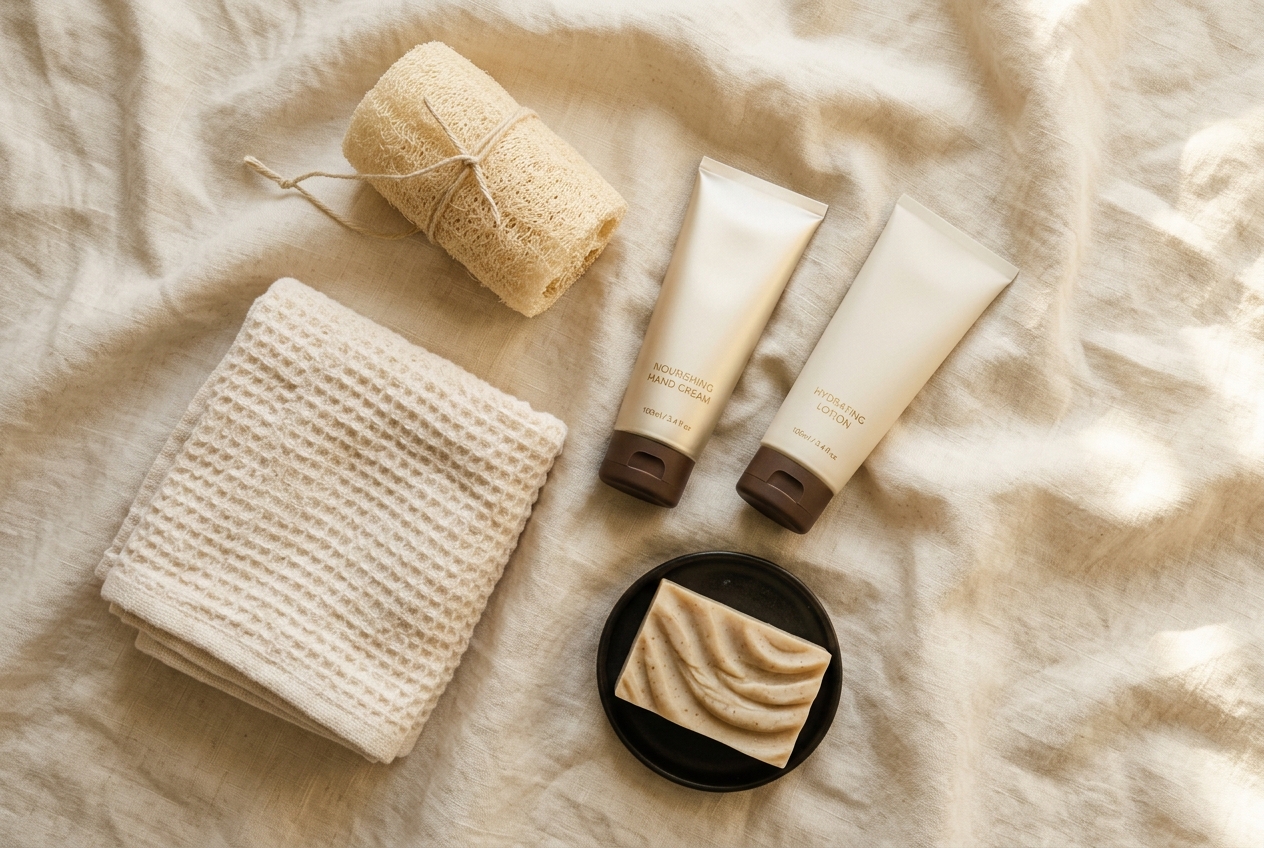
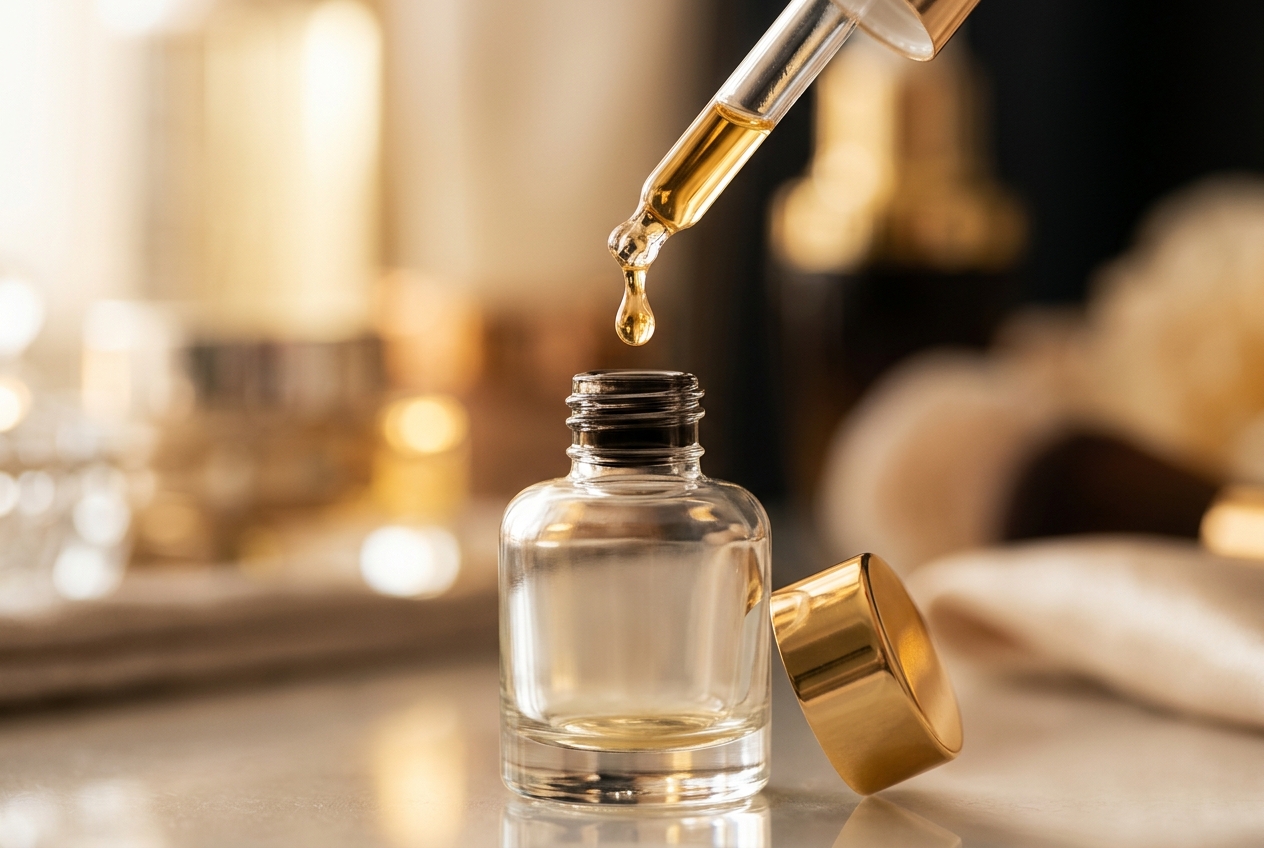
Luxurious textures—from cloud-like whipped creams to silky oil-serums—engage mechanoreceptors in the skin, creating tactile pleasure that elevates mood. The application process itself becomes a mindful ritual, promoting present-moment awareness that can reduce anxiety. Brands investing in contract manufacturing increasingly specify precise rheological properties to optimise this sensory dimension.
Fragrance architecture in neurocosmetics is carefully constructed around psychoactive aromatic compounds. Linalool and linalyl acetate from lavender demonstrate anxiolytic properties in clinical settings, whilst citrus terpenes like limonene offer uplifting, stress-reducing benefits. Rose absolute and jasmine sambac contain compounds that may influence GABA receptors, promoting relaxation. These aren't merely pleasant scents but functional fragrance ingredients selected for neurological impact.
The Ritualistic Dimension
Prestige neurocosmetics recognise that the beauty ritual itself possesses therapeutic value. The act of dedicating time to self-care activates reward pathways in the brain, increasing dopamine release and promoting positive emotional states. Facial massage techniques incorporated into product application stimulate the vagus nerve, potentially triggering the parasympathetic nervous system's relaxation response.
Brands are increasingly providing guidance on application methods that maximise both cosmetic efficacy and wellbeing benefits—slow, deliberate movements; specific pressure points; breathwork coordination. This elevates products from mere commodities to tools for daily meditation and stress management.
Evidence and Consumer Perception
Whilst the biological basis for neurocosmetics is established, brands must navigate the challenge of communicating benefits that are both subjective and objective. Sophisticated consumers appreciate formulations backed by mechanism-of-action research, even when individual experiences vary. Clinical studies measuring cortisol levels, heart rate variability or validated psychological assessment scales provide credibility that distinguishes science-based neurocosmetics from purely marketing-driven 'wellness' claims.
Prestige positioning demands transparency about what neurocosmetics can and cannot achieve. These products complement rather than replace dermatological treatments or mental health interventions, offering supportive benefits within a holistic self-care approach.
Market Positioning and Product Development
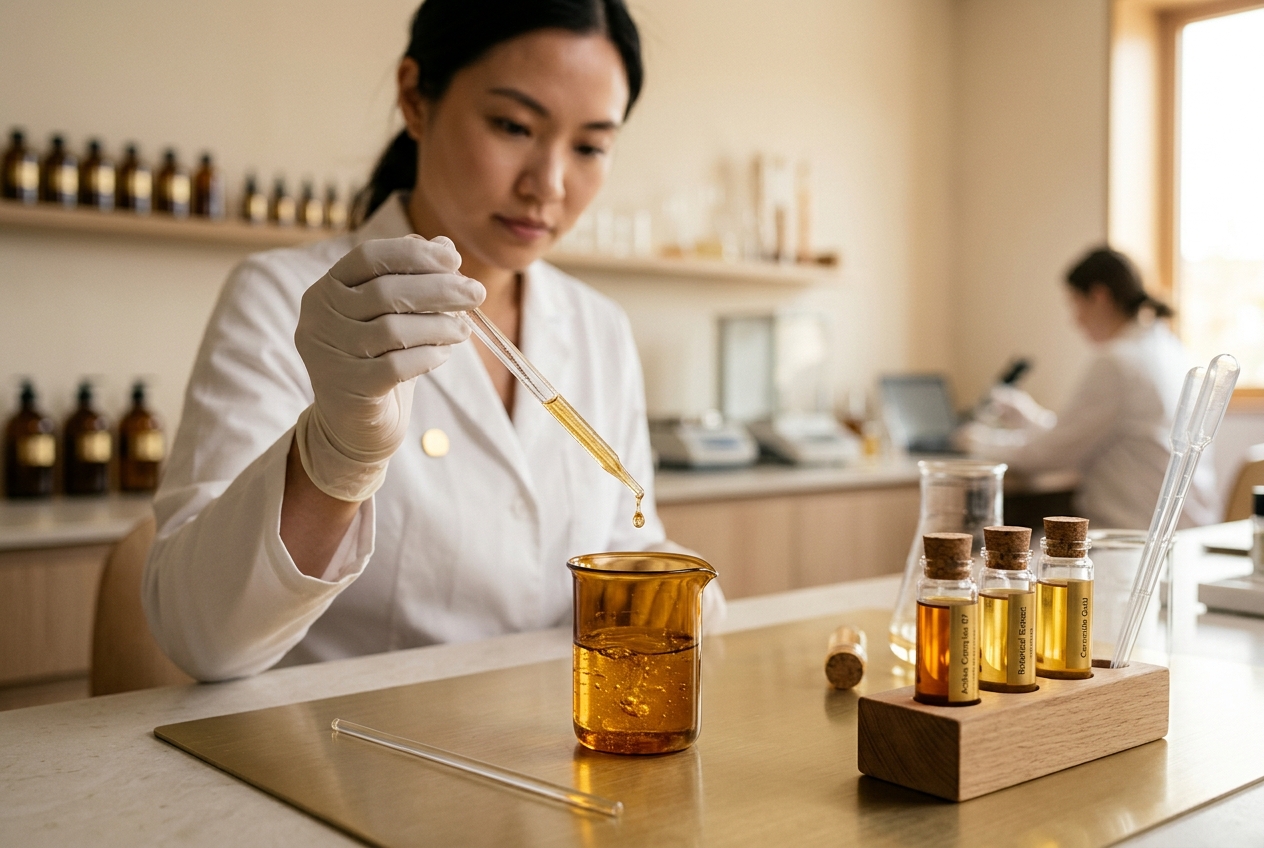
For brands developing neurocosmetic lines, authenticity proves paramount. Formulations require genuine functional ingredients at efficacious concentrations, not token inclusions for label appeal. Partnerships with neuroscience researchers, dermatologists and aromatherapists lend credibility whilst informing product development.
The Wellmax & Maxwell approach exemplifies how prestige brands can integrate neurocosmetic principles across product categories—from morning energising serums featuring refreshing sensory profiles to evening recovery creams incorporating calming actives and fragrances that support restorative sleep.
The Future of Neurocosmetics
As our understanding of the skin-brain axis deepens, neurocosmetics will likely incorporate increasingly personalised approaches. Genetic variations affecting neurotransmitter metabolism or sensory perception may inform bespoke formulation recommendations. Wearable technology could eventually provide biofeedback, allowing consumers to track how specific products influence their stress markers or mood states.
The category also presents opportunities for sustainable innovation, as many neuroactive botanicals can be responsibly sourced or biotechnologically produced, aligning with prestige consumers' environmental values.
Are you ready to explore neurocosmetic formulation for your prestige beauty brand? Our team combines cosmetic science expertise with an understanding of the latest neuroscience research to develop products that truly resonate with discerning consumers seeking both beauty and wellbeing. Contact us today to discuss how we can bring your neurocosmetic vision to life through expert formulation and manufacturing excellence.