
The ultra-luxury skincare sector has witnessed a seismic shift towards biotechnology-driven actives that promise genuine cellular regeneration rather than superficial improvements. Leading this transformation are two revolutionary ingredients: exosomes and polydeoxyribonucleotide (PDRN). These scientifically advanced actives have rapidly ascended from clinical dermatology into the formulations of the world's most exclusive skincare brands, commanding premium price points and extraordinary consumer loyalty.
Understanding Exosome Technology in Skincare
Exosomes are extracellular vesicles measuring 30-150 nanometres that facilitate intercellular communication. These naturally occurring nanoparticles transport proteins, lipids, and genetic material between cells, effectively delivering instructions that influence cellular behaviour and regeneration. In skincare applications, exosomes derived from plant stem cells or ethically sourced human stem cell cultures have demonstrated remarkable potential in addressing visible signs of ageing at the cellular level.
The appeal of exosomal technology lies in its biomimetic approach. Rather than forcing cellular change through aggressive chemical intervention, exosomes work with the skin's innate communication systems. They penetrate the stratum corneum efficiently due to their nanoscale size and lipid composition, delivering bioactive cargo directly to target cells. This mechanism enables exosomes to modulate inflammation, stimulate collagen synthesis, and enhance cellular turnover with unprecedented precision.
The Science Behind Exosomal Efficacy
Clinical observations have documented exosomes' ability to influence fibroblast activity, the cells responsible for producing collagen and elastin. When applied topically, exosome-enriched formulations can potentially signal fibroblasts to increase production of these structural proteins, leading to improvements in skin density, elasticity, and fine line appearance. The technology's sophistication has attracted ultra-luxury brands seeking to differentiate themselves through genuine innovation rather than marketing hyperbole.
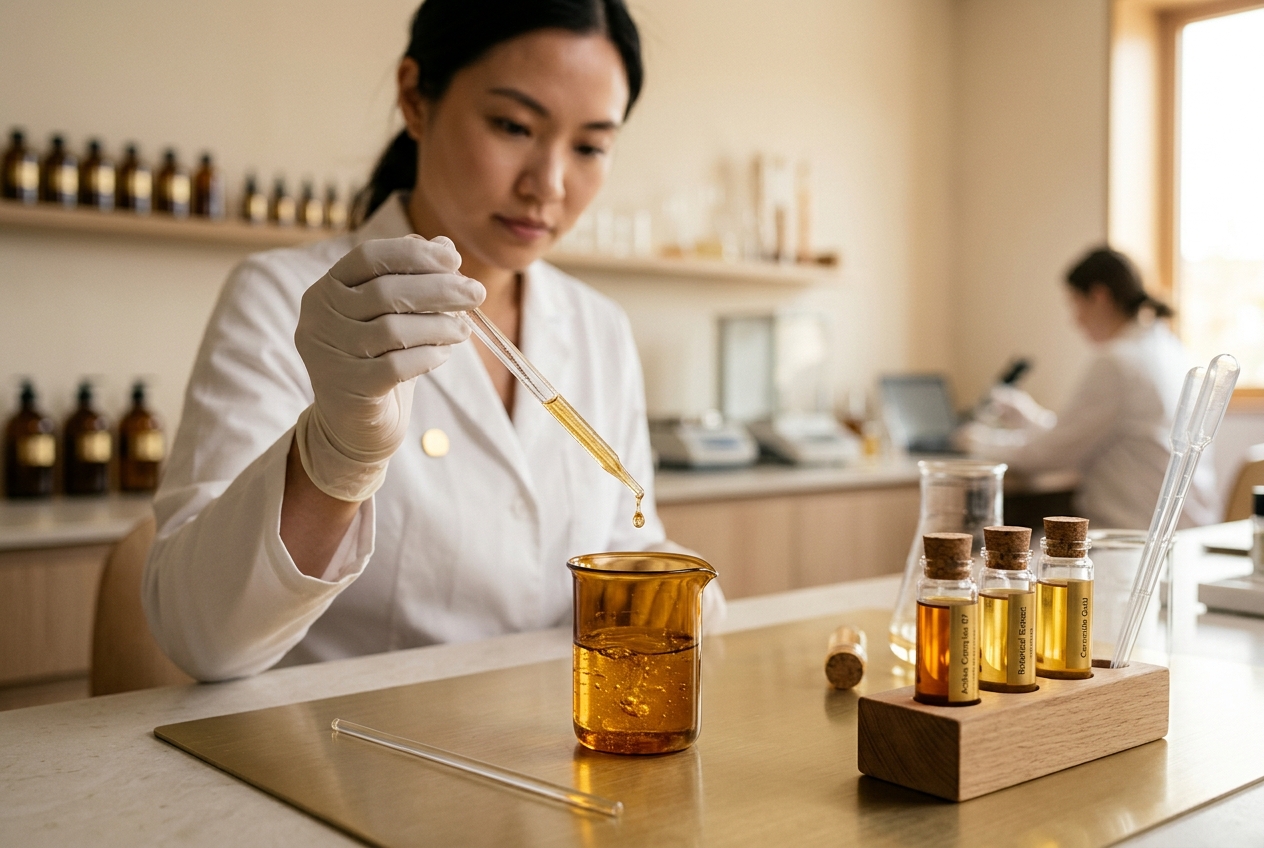
Manufacturing exosome-based products requires exceptional facility standards and technical expertise. The extraction, purification, and stabilisation processes demand controlled environments and specialised equipment typically associated with pharmaceutical production. For brands exploring this category, partnering with experienced contract manufacturing specialists who understand biotechnology actives becomes essential to maintaining efficacy and regulatory compliance.
PDRN: The Regenerative Active from Medical Aesthetics
Polydeoxyribonucleotide represents another paradigm shift in luxury skincare formulation. Originally used in injectable medical treatments for tissue repair and wound healing, PDRN has transitioned into topical applications where it demonstrates impressive regenerative properties. This bioactive compound consists of DNA fragments typically derived from salmon milt, selected for its high compatibility with human skin cells.
PDRN functions through multiple mechanisms that support skin restoration. It acts as a potent antioxidant, neutralising free radicals that accelerate cellular ageing. Simultaneously, PDRN stimulates adenosine A2A receptors, which trigger anti-inflammatory responses and promote angiogenesis—the formation of new blood vessels that improve nutrient delivery to skin tissues. This dual action addresses both immediate inflammatory concerns and long-term regenerative needs.
Clinical Heritage Meets Cosmetic Innovation
The ingredient's transition from medical to cosmetic applications reflects growing consumer sophistication. Today's ultra-luxury skincare clients actively seek formulations backed by clinical research and proven mechanisms of action. PDRN satisfies this demand with an established track record in wound healing and tissue regeneration, now adapted for anti-ageing and skin quality enhancement.
Formulating with PDRN presents distinct challenges. The active requires careful pH management, specific preservation strategies, and compatibility testing with complementary ingredients. Concentration matters significantly—therapeutic benefits typically manifest at specific dosage ranges, making precise formulation critical. Brands developing PDRN products benefit from working with facilities experienced in handling sensitive biological actives and maintaining their stability throughout shelf life.
Market Positioning and Consumer Perception
Both exosomes and PDRN occupy the pinnacle of skincare pricing structures, with products frequently exceeding £300 per 30ml. This positioning reflects production costs, research investment, and the ingredients' association with medical-grade efficacy. Ultra-luxury consumers increasingly view skincare through an investment lens, prioritising scientifically substantiated results over traditional luxury markers like fragrance or packaging alone.
The rise of these actives has also influenced retail strategies. Prestige beauty counters now employ consultants with deeper scientific training to articulate complex mechanisms of action. Brands provide detailed technical literature alongside their products, recognising that today's luxury consumer conducts extensive research before committing to high-investment skincare regimens.
Regulatory Considerations and Quality Assurance
As biotechnology actives gain prominence, regulatory scrutiny intensifies. Exosomes and PDRN formulations must comply with cosmetic regulations whilst substantiating claims through appropriate evidence. The distinction between cosmetic and medicinal claims becomes particularly relevant with ingredients that demonstrate therapeutic potential. Brands must navigate these boundaries carefully, ensuring marketing communications remain compliant whilst conveying genuine benefits.
Quality assurance protocols for these advanced actives extend beyond standard cosmetic testing. Analytical methods must verify exosome concentration, size distribution, and bioactivity retention. PDRN formulations require molecular weight confirmation and purity assessment. These technical demands reinforce the importance of manufacturing partnerships with facilities maintaining pharmaceutical-grade standards and comprehensive quality systems.
The Future of Regenerative Luxury Skincare
Exosomes and PDRN represent merely the beginning of biotechnology's impact on ultra-luxury skincare. As extraction techniques improve and production scales increase, these once-exclusive actives may become more accessible whilst new innovations emerge at the premium tier. Growth factors, peptide complexes, and cellular metabolites continue advancing, each promising enhanced regenerative capabilities.
For brands seeking to establish authority in this evolving landscape, formulation expertise and manufacturing excellence prove non-negotiable. The technical complexity of biotechnology actives demands partners who understand both the science and the regulatory environment. Explore our range of advanced formulations at Wellmax & Maxwell, where cutting-edge active technology meets rigorous quality standards.
Ready to develop your next-generation skincare line featuring advanced biotechnology actives? Our team combines formulation expertise with GMP-certified manufacturing capabilities to bring sophisticated, scientifically substantiated products to market. Contact us today to discuss how exosome and PDRN technology can elevate your brand positioning in the ultra-luxury segment.