The ultra-luxury cosmetics landscape is undergoing a profound transformation as discerning consumers increasingly demand products formulated specifically for their unique skin biology, lifestyle, and aesthetic preferences. Hyper-personalisation represents the evolution from broad demographic segmentation to individual-level customisation, powered by advanced diagnostics, artificial intelligence, and flexible manufacturing capabilities.
The Rise of Bespoke Beauty
Personalisation in luxury beauty has progressed far beyond simply adding a customer's initials to packaging. Today's hyper-personalised cosmetics incorporate sophisticated diagnostic technologies that analyse skin at the molecular level. This shift reflects a broader consumer expectation that premium beauty products should deliver results as unique as their fingerprints.
The prestige beauty consumer has evolved considerably. They possess higher skincare literacy, access abundant information through digital channels, and demonstrate willingness to invest substantially in products that address their specific concerns. This demographic views personalised cosmetics not as indulgence but as intelligent investment in long-term skin health and appearance.
Technologies Driving Hyper-Personalisation
Several cutting-edge technologies now enable brands to create truly bespoke formulations at scale. Artificial intelligence algorithms analyse multiple data points—including skin type, environmental factors, lifestyle habits, and even genetic markers—to recommend optimal ingredient combinations and concentrations.
Diagnostic Innovations
Advanced skin analysis tools have become increasingly accessible to luxury brands. High-resolution imaging devices can detect concerns invisible to the naked eye, measuring parameters such as hydration levels, sebum production, pigmentation irregularities, and fine lines with clinical precision. Some ultra-luxury brands have introduced at-home diagnostic kits that customers use before their personalised formulations are created.
Genetic and Microbiome Analysis
The frontier of personalisation extends to genetic testing, where DNA analysis identifies predispositions to specific skin concerns such as collagen breakdown, antioxidant deficiency, or sensitivity to environmental stressors. Similarly, skin microbiome analysis—examining the unique bacterial ecosystem on individual skin—allows formulators to create products that support optimal microbial balance.
Made-to-Order Manufacturing Models
The operational complexity of producing individualised cosmetics requires sophisticated contract manufacturing capabilities and quality systems. Unlike traditional batch production, made-to-order luxury cosmetics demand flexible formulation platforms, precise dosing technologies, and rigorous quality control at individual product level.
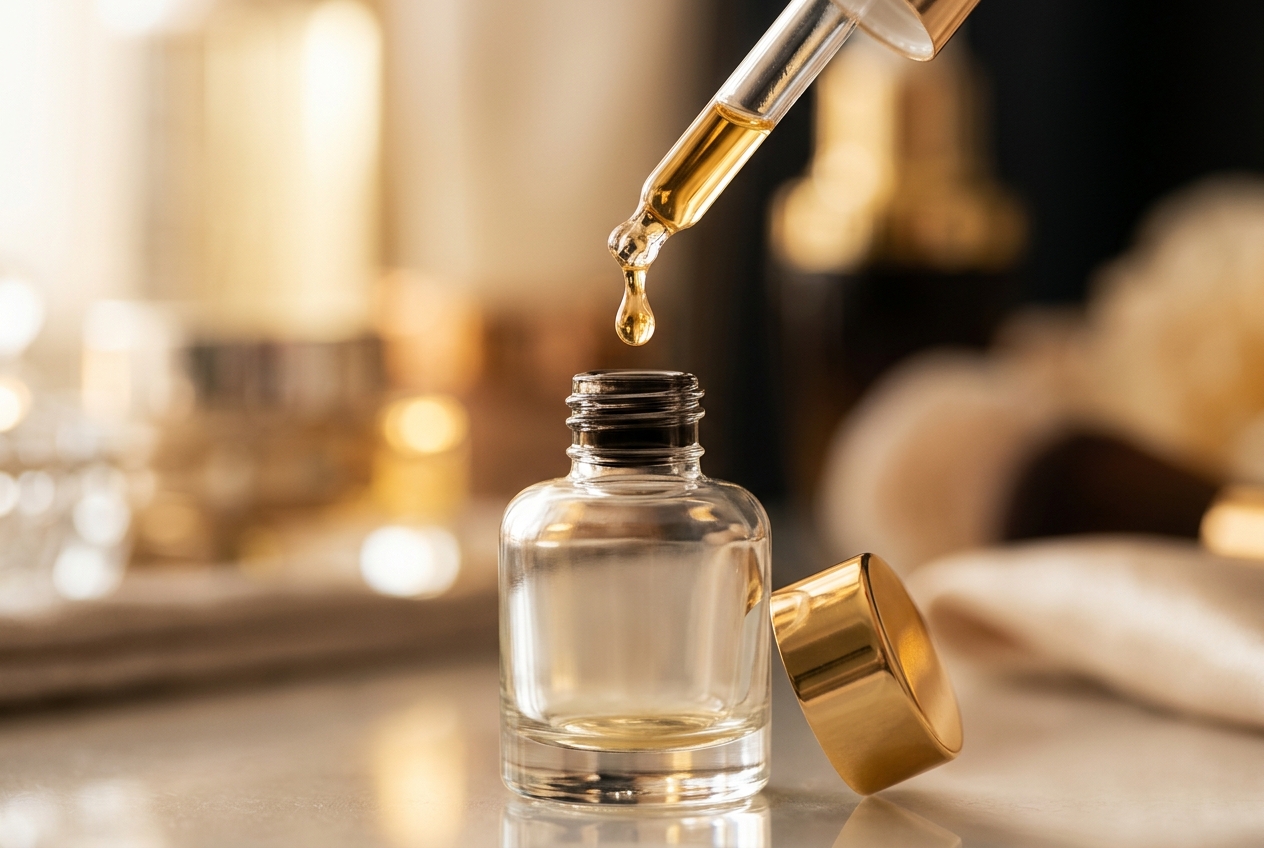
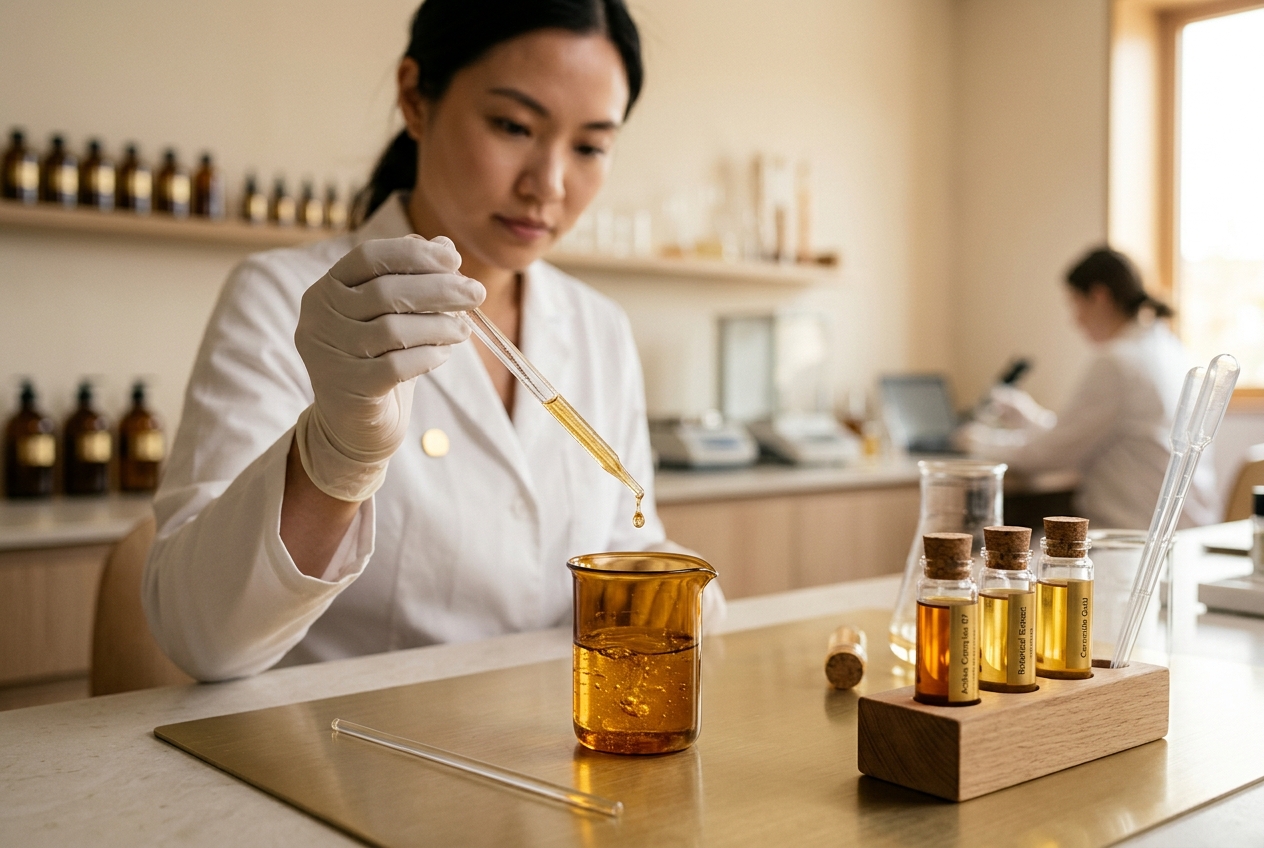
Successful made-to-order operations typically employ modular formulation approaches, where a scientifically validated base formula is customised through the addition of specific active ingredients, botanical extracts, or functional compounds selected for each customer. This methodology balances personalisation with the stability, safety, and regulatory compliance essential in cosmetics manufacturing.
Quality and Regulatory Considerations
Producing personalised cosmetics within GMP and ISO 22716 frameworks presents unique challenges. Each customised product must maintain the same rigorous safety and efficacy standards as mass-produced items. Documentation becomes exponentially more complex, as manufacturers must track ingredient combinations, stability data, and quality parameters for potentially thousands of unique formulations.
Preservation systems require particular attention in bespoke formulations, as custom ingredient combinations may interact differently than tested base formulas. Sophisticated manufacturers employ predictive modelling and accelerated stability protocols to ensure each personalised product maintains integrity throughout its intended shelf life.
The Luxury Consumer Experience
Hyper-personalisation extends beyond formulation to encompass the entire customer journey. Ultra-luxury brands create immersive consultation experiences, whether in exclusive boutiques with trained skin advisors or through sophisticated online platforms featuring virtual consultations and AI-powered recommendation engines.
The waiting period for made-to-order products becomes part of the luxury narrative. Brands transform production time into anticipation, providing customers with detailed information about their formulation, the provenance of rare ingredients, and the craftsmanship involved in creating their unique product.
Packaging and Presentation
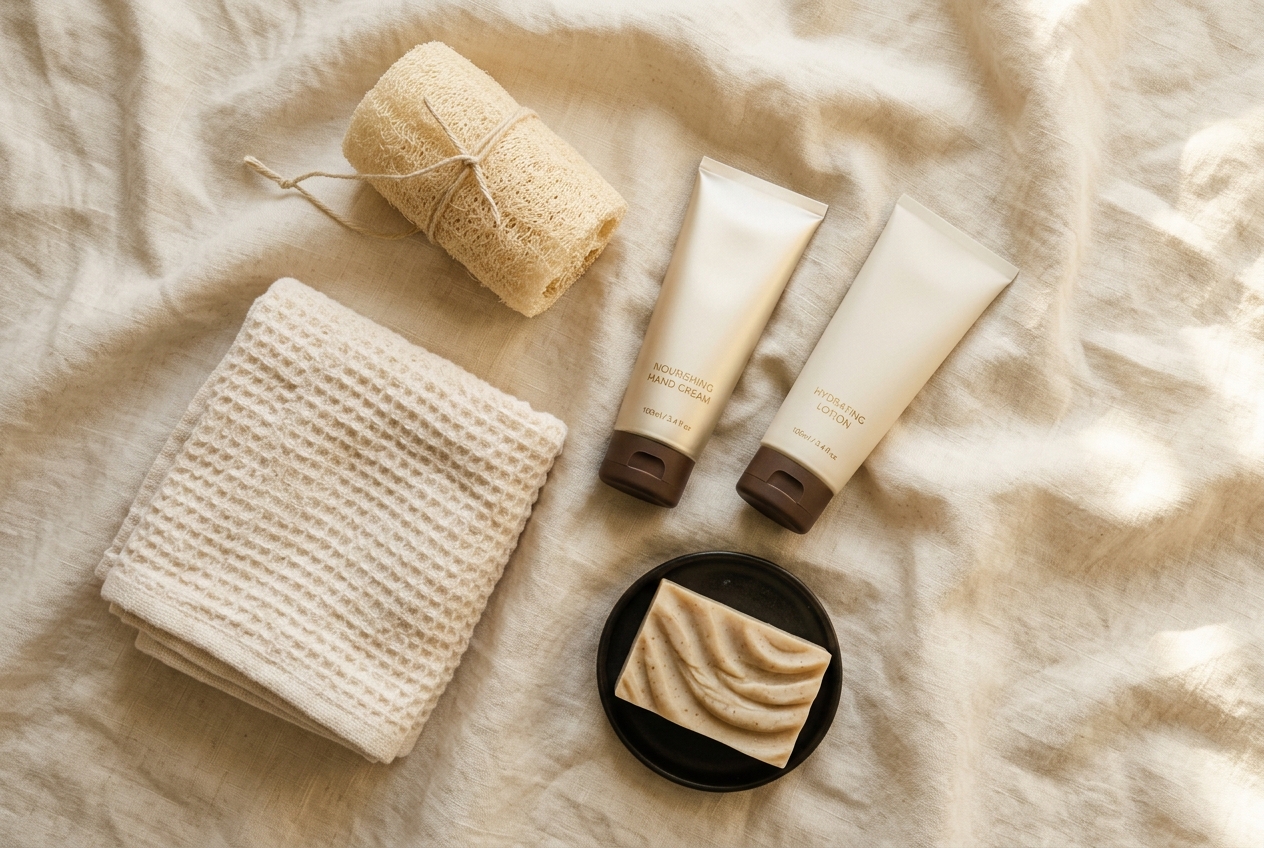
Bespoke cosmetics demand equally personalised packaging. Luxury brands employ various customisation techniques, from laser-engraved customer names and formulation details to completely unique packaging designs. Sustainable luxury has also influenced this sector, with refillable systems allowing customers to maintain their personalised outer packaging whilst ordering new formulations as their skin needs evolve.
Commercial Viability and Market Position
The economics of hyper-personalised luxury cosmetics differ substantially from traditional beauty business models. Higher price points—often two to five times conventional luxury products—reflect the diagnostic services, custom formulation, small-batch production, and individualised packaging involved.
Successful brands in this space typically position personalisation as a service rather than merely a product, often employing subscription models where customers receive quarterly or seasonal formulation adjustments based on changing skin needs and environmental factors. This approach builds long-term customer relationships and generates predictable revenue streams.
Future Trajectories
The convergence of biotechnology, data analytics, and advanced manufacturing continues to expand personalisation possibilities. Emerging developments include real-time formulation adjustment based on wearable sensor data, 3D-printed cosmetics created on-demand in retail environments, and bio-engineered ingredients cultivated specifically for individual customers.
As these technologies mature and become more accessible, the distinction between ultra-luxury personalisation and premium beauty may blur, with customisation becoming an expected feature across higher-tier beauty categories.
The ultra-luxury segment will likely maintain distinction through the sophistication of diagnostics, rarity of ingredients, exclusivity of access, and depth of ongoing personalised service rather than customisation alone. Brands exploring this space should consider partnerships with experienced manufacturers who understand both the technical complexities and quality imperatives of bespoke formulation.
ARGE Cosmetics combines GMP-certified manufacturing excellence with flexible production capabilities suitable for both established prestige brands and innovative personalisation concepts. Whether you're developing a hyper-personalised luxury line or exploring our curated Wellmax & Maxwell collections, our team brings the technical expertise and quality commitment your brand deserves. Contact us to discuss how we can support your vision for the future of personalised beauty.