The ultra-luxury skincare sector has witnessed a paradigm shift towards regenerative biotechnology, with exosomes and polydeoxyribonucleotide (PDRN) emerging as the most sought-after actives amongst discerning consumers and prestige brands. These scientifically sophisticated ingredients represent a departure from traditional cosmetic actives, offering mechanisms of action rooted in cellular communication and tissue repair rather than superficial intervention.
Understanding Exosome Technology in Cosmetic Applications
Exosomes are extracellular vesicles measuring 30-150 nanometres in diameter, secreted by virtually all cell types. In cosmetic formulations, they function as biological messengers, delivering proteins, lipids, and nucleic acids directly to target cells. This intercellular communication facilitates skin regeneration, collagen synthesis, and inflammation modulation at a molecular level that conventional actives cannot achieve.
The cosmetic industry primarily utilises plant-derived and synthetic exosomes to circumvent regulatory complexities whilst maintaining efficacy. Stem cell-derived exosomes from botanical sources such as roses, ginseng, and apple have demonstrated promising results in clinical observations, though brands must navigate carefully between cosmetic claims and therapeutic assertions.
The Science Behind Exosome Efficacy
Exosomes operate through several distinct pathways. They enhance dermal fibroblast activity, stimulate keratinocyte proliferation, and regulate melanogenesis. Their nanoscale dimensions enable superior penetration through the stratum corneum compared to traditional cosmetic actives. Research in regenerative medicine has demonstrated exosomes' capacity to modulate gene expression in recipient cells, though cosmetic applications focus on observable improvements in skin texture, tone, and resilience rather than gene therapy claims.
For brands engaged in contract manufacturing, formulating with exosomes requires specialised expertise. Stability remains paramount, as these biological structures degrade rapidly without proper preservation systems. Lyophilisation and specific storage protocols ensure exosome integrity throughout product shelf life, demanding sophisticated manufacturing capabilities and quality assurance protocols.
PDRN: The Regenerative Polynucleotide
Polydeoxyribonucleotide represents another frontier in ultra-luxury skincare, derived from purified salmon DNA or produced through biotechnological synthesis. PDRN has established itself in aesthetic medicine through injectable treatments before transitioning into topical formulations for premium skincare ranges.
Mechanism of Action and Clinical Benefits
PDRN functions primarily through adenosine A2A receptor activation, triggering anti-inflammatory cascades and promoting angiogenesis. This mechanism supports tissue repair, enhances wound healing, and stimulates fibroblast proliferation. In topical applications, PDRN demonstrates measurable improvements in skin hydration, elasticity, and barrier function.
The molecular weight of PDRN, typically ranging from 50 to 1,500 kilodaltons, influences both penetration and biological activity. Lower molecular weight fractions exhibit enhanced absorption, whilst higher molecular weight components provide sustained activity. Premium formulations often incorporate fractionated PDRN to optimise both immediate and long-term benefits.
Formulation Challenges and Innovations
Incorporating these advanced actives into stable, elegant formulations presents significant technical challenges. Exosomes require preservation of vesicle structure whilst maintaining cosmetic elegance. PDRN demands pH optimisation and compatible co-actives to prevent degradation. Both ingredients command premium positioning due to raw material costs and manufacturing complexity.
Successful ultra-luxury formulations often employ encapsulation technologies, time-release delivery systems, and complementary active matrices. Brands such as Wellmax & Maxwell recognise that these sophisticated actives require equally sophisticated delivery mechanisms to justify their prestige positioning and deliver consumer-perceptible results.
Regulatory Considerations and Market Positioning
The regulatory landscape for exosomes and PDRN varies considerably across jurisdictions. In the European Union, these ingredients must comply with cosmetic regulations whilst carefully delineating claims from medicinal product territory. Brands must substantiate efficacy claims through appropriate testing methodologies without crossing into therapeutic assertions.
Market positioning demands transparency regarding ingredient sourcing, concentration, and expected outcomes. Ultra-luxury consumers increasingly scrutinise ingredient provenance, manufacturing standards, and clinical validation. Brands successfully commanding premium pricing points provide comprehensive ingredient documentation and invest in consumer education regarding these novel actives.
The Commercial Trajectory of Regenerative Actives
Industry analysis indicates sustained growth in the regenerative skincare segment, with exosomes and PDRN positioned as cornerstone ingredients for brands targeting ultra-high-net-worth consumers. The global aesthetic medicine market's embrace of these actives has created sophisticated consumer awareness, driving demand for topical formulations that complement or maintain professional treatments.
Product development increasingly focuses on synergistic formulations combining exosomes or PDRN with established actives such as growth factors, peptides, and antioxidants. This approach delivers multi-modal benefits whilst differentiating products in an increasingly crowded prestige market.
Future Developments and Market Evolution
Emerging research explores exosome customisation for specific skin concerns, biomimetic synthesis methods, and enhanced stability systems. PDRN applications continue expanding beyond salmon-derived sources to include synthetic and plant-based alternatives, addressing sustainability concerns and vegan market segments.
The convergence of biotechnology, dermatological science, and luxury positioning ensures these actives will remain central to ultra-premium skincare innovation. Brands investing in these technologies today position themselves at the forefront of regenerative cosmetics, meeting sophisticated consumer demands for scientifically validated, results-driven skincare.
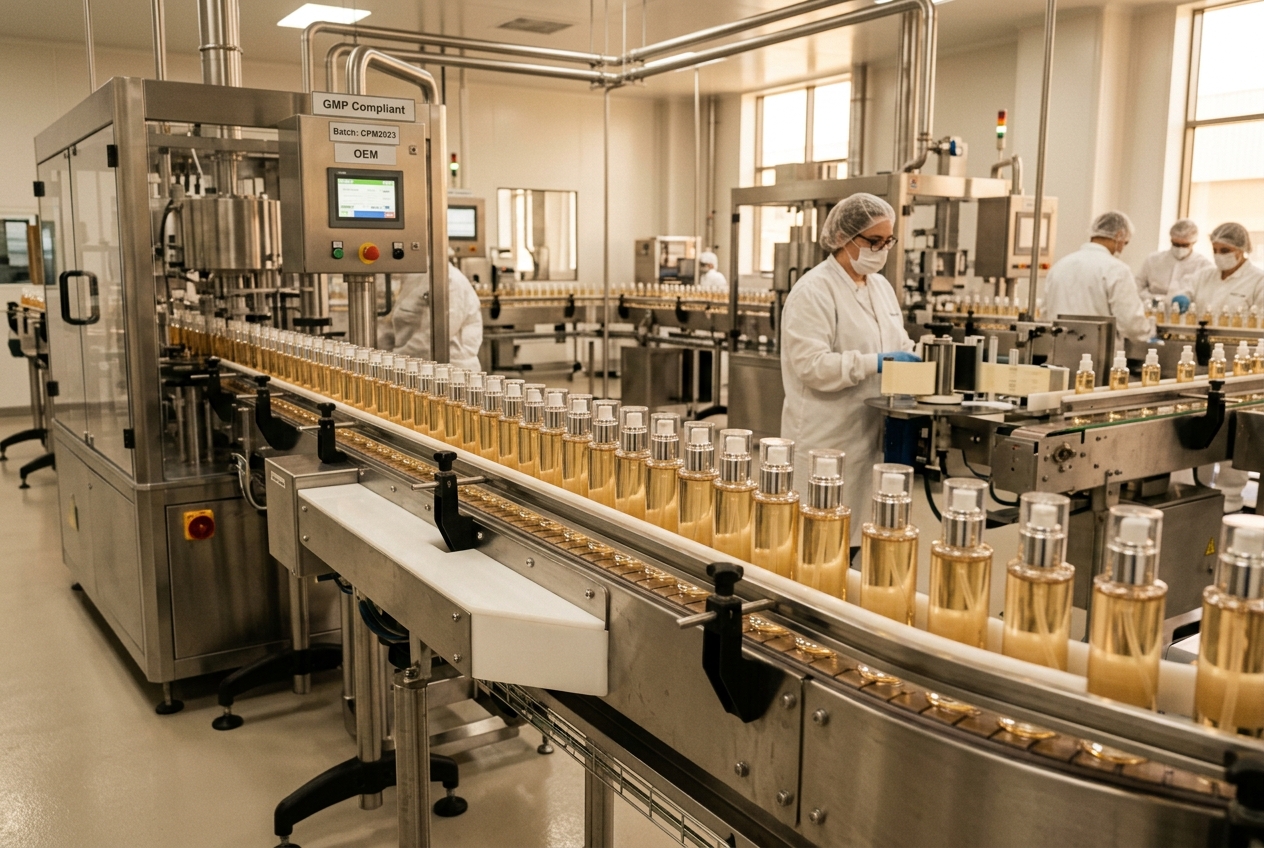
Are you ready to develop cutting-edge formulations featuring exosome or PDRN technology? Our GMP-certified facilities and expert team can help you create ultra-luxury skincare products that meet the highest standards of innovation and quality. Contact us today to discuss how we can bring your vision for regenerative skincare to market.