The prestige beauty industry stands at the threshold of a transformative paradigm, where the convergence of neuroscience and dermatological science has given rise to neurocosmetics—a sophisticated category that acknowledges the profound bidirectional communication between skin and brain. This emerging discipline transcends conventional beauty narratives, recognising that our largest organ is not merely a passive barrier but an active sensory interface intricately connected to our nervous system and emotional wellbeing.
Understanding the Skin-Brain Axis
The skin-brain connection operates through an elaborate network of neurotransmitters, neuropeptides, and sensory receptors embedded throughout the cutaneous layers. Recent advances in neurobiology have illuminated how psychological stress triggers the release of cortisol and substance P, which subsequently compromise the epidermal barrier, accelerate inflammatory cascades, and expedite visible ageing. Conversely, when we apply formulations that deliver pleasurable sensory experiences—whether through texture, temperature, or fragrance—the skin communicates these positive signals to the brain, initiating the release of endorphins and serotonin.
This bidirectional dialogue explains why certain skincare rituals transcend their physiological benefits, offering genuine psychological relief. The dermis contains an extensive network of nerve endings that respond to touch, pressure, and temperature, making every application an opportunity to influence mood, stress levels, and ultimately, skin health itself.
Neuropeptides and Neurotransmitters in Formulation Science
At the molecular level, neurocosmetic formulations incorporate ingredients that either mimic or modulate the activity of endogenous neuropeptides and neurotransmitters within the skin. Acetyl hexapeptide-8, commonly recognised for its muscle-relaxing properties, works by inhibiting neurotransmitter release at the dermal-epidermal junction, thereby reducing expression lines through a mechanism analogous to—though far gentler than—botulinum toxin.
Gamma-aminobutyric acid (GABA), the brain's primary inhibitory neurotransmitter, has found sophisticated application in topical formulations where it aims to calm reactive skin by reducing neurogenic inflammation. Meanwhile, beta-endorphin-stimulating peptides seek to enhance the skin's natural feel-good response, potentially alleviating stress-induced skin conditions such as rosacea, eczema, and premature ageing.
For brands seeking to develop cutting-edge neurocosmetic formulations, partnering with experienced contract manufacturing specialists ensures access to the latest peptide technologies whilst maintaining regulatory compliance across international markets.
Sensorial Architecture in Prestige Formulations
The sensorial dimension of neurocosmetics extends beyond active ingredients to encompass the entire user experience. Texture engineering has evolved into a sophisticated science, where rheological properties are meticulously calibrated to deliver specific tactile sensations that trigger positive neurological responses. A serum that transforms from gel to water upon contact, or a cream with a distinctive cooling effect, creates memorable sensory moments that reinforce product efficacy through the placebo-adjacent phenomenon known as 'cosmetic psychotherapy'.
Olfactory science plays an equally critical role, as fragrance molecules directly access the limbic system—the brain's emotional centre—via the olfactory bulb. Prestige neurocosmetic brands are increasingly commissioning bespoke aromatic compositions that incorporate adaptogenic botanicals such as ashwagandha, rhodiola, and holy basil, which possess both traditional stress-relieving properties and contemporary olfactory appeal.
Temperature Modulation and Transient Receptor Channels
Advanced neurocosmetic formulations harness transient receptor potential (TRP) channels—specialised proteins that detect temperature changes and trigger neurological responses. Menthol activates TRPM8 receptors to create cooling sensations that can temporarily constrict blood vessels and reduce inflammation visibility, whilst capsaicin-derivative compounds stimulate warmth perception, encouraging microcirculation without irritation.
These temperature-modulating ingredients serve dual purposes: they provide immediate sensory gratification whilst simultaneously influencing deeper physiological processes, embodying the neurocosmetic philosophy of treating skin and psyche as inseparable entities.
Chromotherapy and Visual Neuroscience
The neurocosmetic approach extends to visual stimuli, recognising that colour perception influences emotional states and purchasing decisions. Packaging hues are selected based on colour psychology principles—soft lavenders and blues to convey calming properties, warm terracotta tones for energising formulations, and pristine whites to communicate clinical efficacy. This strategic deployment of chromotherapy begins before the product even contacts skin, priming the user's expectations and neurological receptivity.
The Ritual as Therapeutic Intervention
Contemporary neurocosmetics acknowledge that application methodology matters as profoundly as formulation chemistry. The prestige sector increasingly provides detailed massage protocols, breathwork instructions, and mindfulness cues alongside product usage, transforming routine skincare into deliberate wellness rituals. These structured practices activate the parasympathetic nervous system, reducing cortisol levels and enhancing the skin's receptivity to active ingredients.
The Japanese concept of 'skincare as self-care' has permeated Western prestige beauty, with brands developing multi-step regimens that incorporate facial massage techniques such as gua sha and lymphatic drainage. These practices stimulate mechanoreceptors in the skin, promoting both immediate radiance through improved circulation and long-term benefits via consistent stress reduction.
Adaptogens and Psychodermatological Ingredients
Botanical adaptogens—plants that help the body resist various stressors—have transitioned from wellness supplements to topical cosmetic formulations. Ashwagandha extract, traditionally consumed for anxiety reduction, now appears in prestige serums for its potential to mitigate cortisol-induced skin damage. Reishi mushroom, revered in traditional medicine for promoting tranquillity, offers polysaccharides and triterpenes that may support barrier function whilst contributing to the neurocosmetic narrative of holistic wellbeing.
These ingredients often deliver modest direct benefits to skin cells, but their true value lies in their ability to connect product performance with broader wellness concerns, appealing to consumers who view beauty through a psychodermatological lens.
The Future of Neurocosmetic Innovation
As our understanding of the skin-brain axis deepens, future neurocosmetic development will likely incorporate technologies such as microbiome modulation to influence the gut-skin-brain connection, wearable devices that monitor stress biomarkers and recommend personalised product application, and AI-driven formulations that adapt to circadian rhythm fluctuations in skin physiology and psychological states.
The prestige sector, with its capacity for innovation and consumer education, is uniquely positioned to lead this evolution. Brands available through retailers like Wellmax & Maxwell already demonstrate how science-led formulations can deliver both measurable results and meaningful sensory experiences.
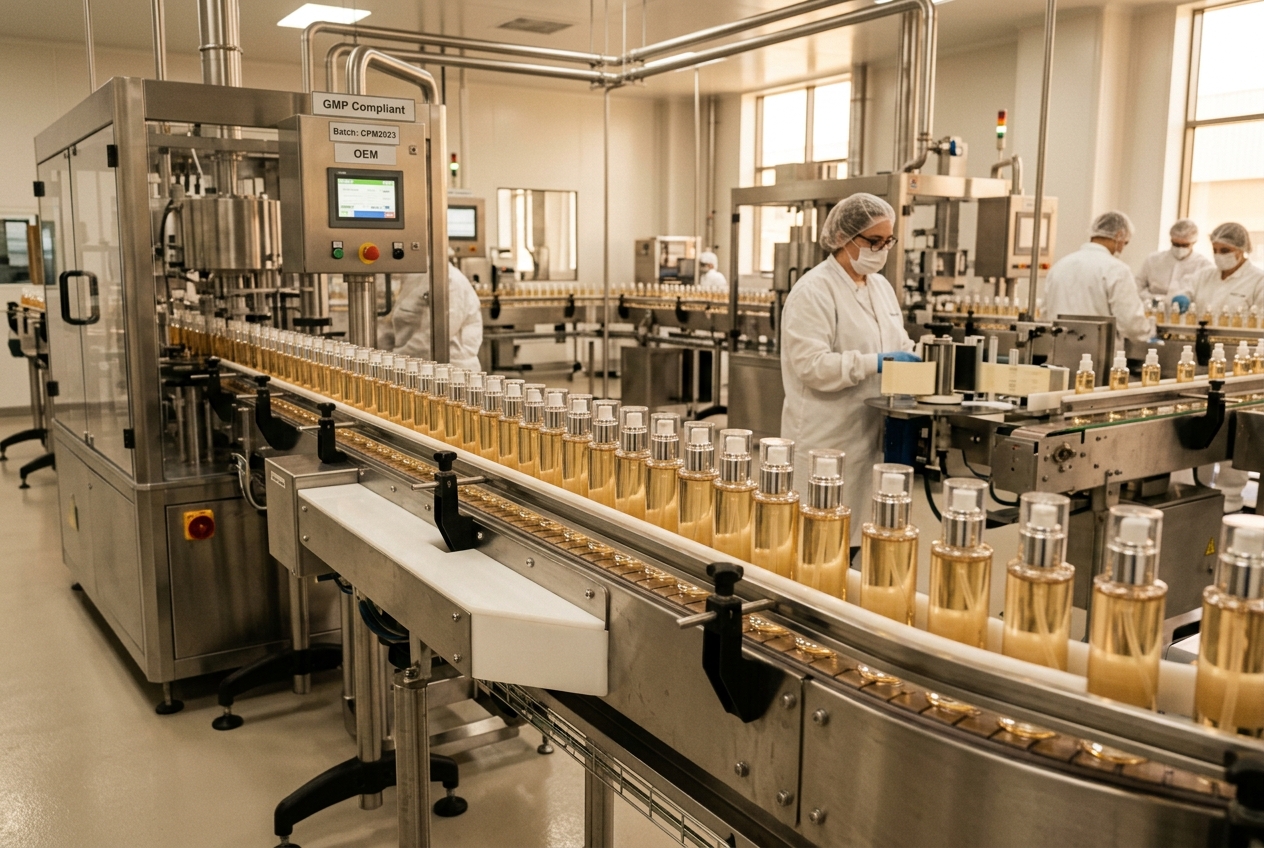
At ARGE Cosmetics, we specialise in developing sophisticated neurocosmetic formulations that honour the intricate relationship between skin health and psychological wellbeing. Our GMP-certified laboratories combine cutting-edge peptide technology with sensorial expertise to create prestige products that resonate on multiple levels. Contact our team to explore how neurocosmetic innovation can elevate your brand proposition and deliver the holistic beauty experiences today's discerning consumers demand.