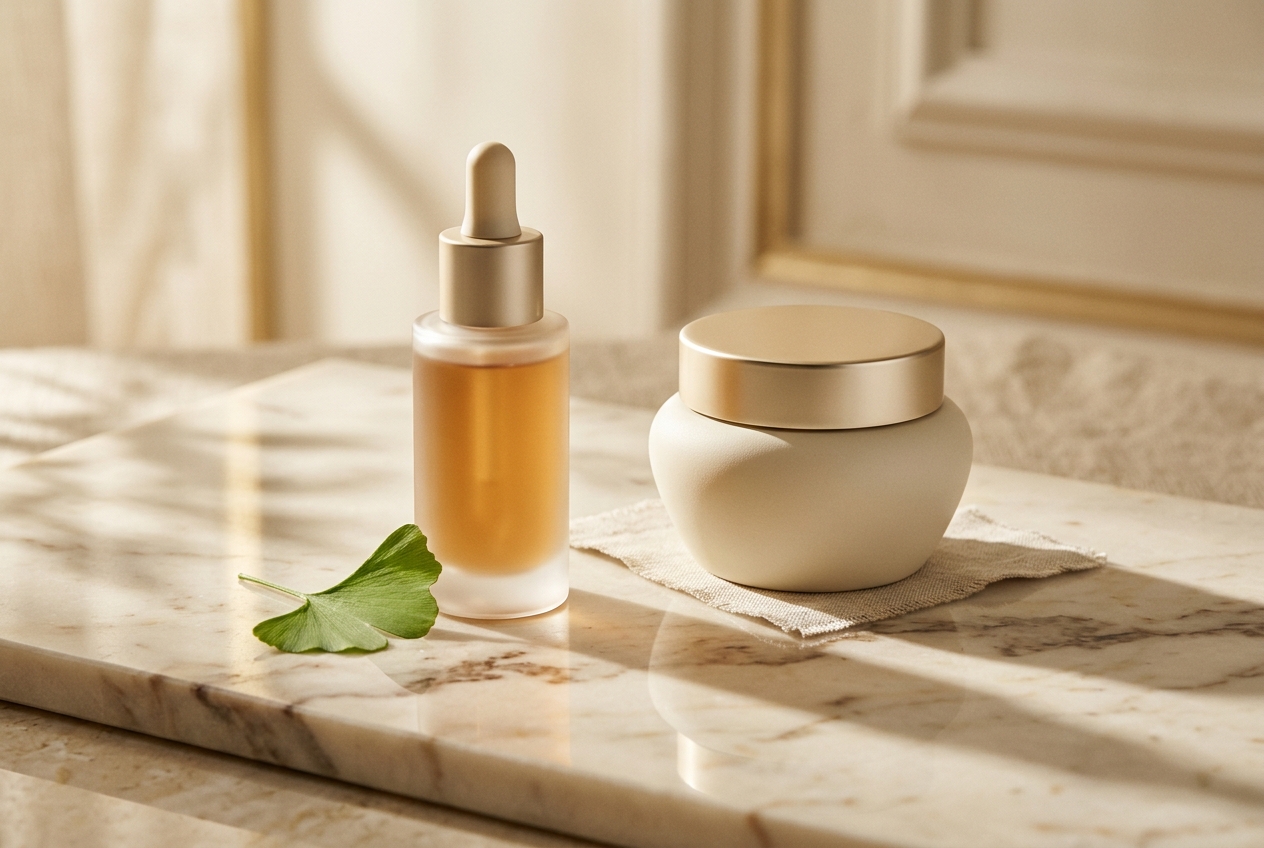
The artisan cosmetics sector has witnessed a profound shift towards cold-processing methodologies, driven by discerning consumers who understand that thermal exposure can irreversibly compromise the efficacy of sophisticated active ingredients. As formulators navigate increasingly complex ingredient portfolios, the preservation of bioactive integrity has become paramount in delivering the transformative results expected from ultra-luxury skincare.
Understanding Cold-Processing in Cosmetic Formulation
Cold-processing refers to manufacturing techniques that maintain formulation temperatures below 40°C throughout production, thereby safeguarding thermolabile compounds from degradation. Unlike conventional hot-processing methods that typically employ temperatures between 70-80°C to facilitate emulsification and ensure microbial safety, cold-processing demands meticulous formulation architecture and often incorporates pre-heated phases that are cooled before active integration.
This approach has become particularly relevant as brands incorporate increasingly sophisticated ingredients such as growth factors, peptides, and enzyme complexes that exhibit marked thermal sensitivity. The artisan cosmetics movement has embraced cold-processing not merely as a technical necessity but as a hallmark of quality that resonates with consumers seeking maximum potency from their skincare investments.
Heat-Sensitive Actives Requiring Cold-Processing
Peptides and Protein Derivatives
Peptides represent some of the most thermally vulnerable ingredients in modern cosmetic formulation. These short amino acid chains can undergo conformational changes or hydrolysis when exposed to elevated temperatures, rendering them biologically inactive. Copper peptides, matrixyl complexes, and hexapeptides commonly found in anti-ageing formulations require temperatures below 35°C during incorporation to maintain their structural integrity and cellular signalling capabilities.
Enzymatic Complexes
Enzymes such as superoxide dismutase, coenzyme Q10 in its ubiquinone form, and various proteolytic enzymes used for gentle exfoliation demonstrate significant activity loss above 45°C. These biocatalysts rely on precise three-dimensional structures; thermal denaturation disrupts their active sites, eliminating their ability to catalyse beneficial skin reactions. Cold-processing ensures these sophisticated actives retain their enzymatic function through to consumer application.
Vitamin C Derivatives and Antioxidants
Whilst some stabilised vitamin C derivatives tolerate moderate heat, pure L-ascorbic acid and certain ester forms oxidise rapidly under thermal stress. Similarly, resveratrol, ferulic acid, and other polyphenolic antioxidants exhibit enhanced stability when processed below 40°C. The synergistic antioxidant networks that brands cultivate in premium formulations depend on cold-processing to deliver their promised protective benefits.
Probiotic Extracts and Postbiotics
The microbiome-focused revolution in skincare has introduced heat-sensitive probiotic lysates, postbiotic metabolites, and prebiotic oligosaccharides into luxury formulations. These bioferments typically require processing below 30°C to preserve their bioactive peptide fractions and maintain the integrity of beneficial metabolites that support skin barrier function and immune modulation.
Technical Considerations for Artisan Brands
Implementing cold-processing successfully requires sophisticated formulation knowledge and appropriate manufacturing infrastructure. Many artisan brands partner with experienced facilities offering contract manufacturing capabilities that include temperature-controlled processing environments and validated cold-processing protocols compliant with GMP and ISO 22716 standards.
Emulsification Challenges
Creating stable emulsions without heat demands alternative approaches such as high-shear homogenisation, phase inversion temperature (PIT) methodology, or the use of liquid crystalline emulsifiers that self-assemble at ambient temperatures. Cold-processable emulsifiers including certain polyglycerol esters, sucrose stearate, and phospholipid complexes have become invaluable tools for artisan formulators.
Preservation Strategies
Cold-processing eliminates the microbial reduction that occurs during hot-processing, necessitating robust preservation systems and impeccable hygiene protocols. Multifunctional ingredients with inherent antimicrobial properties, such as certain organic acids and specific essential oil fractions, often complement traditional preservatives in cold-processed formulations.
Quality Control and Stability Testing
Cold-processed products require comprehensive stability testing across varied temperature conditions to ensure the preservation system remains effective and that active ingredients maintain potency throughout the product lifecycle. Accelerated stability studies at 40°C and real-time testing at 25°C provide essential data for establishing appropriate shelf-life claims.
Market Positioning and Consumer Communication
Discerning consumers increasingly recognise cold-processing as an indicator of formulation sophistication and brand integrity. Transparent communication about manufacturing methodologies differentiates artisan brands in a crowded marketplace, justifying premium pricing through demonstrable commitment to active preservation. Brands such as Wellmax & Maxwell exemplify this approach, emphasising their cold-processing credentials as central to their quality proposition.
The Future of Cold-Processed Artisan Cosmetics
As biotechnology advances deliver increasingly complex and potent active ingredients to the cosmetics industry, cold-processing will transition from a competitive advantage to an essential manufacturing requirement for prestige brands. The continued development of ambient-temperature processing technologies and novel cold-processable delivery systems will expand the possibilities for artisan formulators committed to delivering uncompromised efficacy.
Are you developing an artisan cosmetics line that demands cold-processing expertise? Our GMP-certified facilities and formulation specialists can help you create products that preserve active integrity whilst meeting the exacting standards of luxury consumers. Contact our team to discuss how cold-processing techniques can elevate your brand proposition and deliver the transformative results your clients expect.