In the rarefied world of prestige skincare, where consumers willingly invest hundreds of pounds in a single jar of cream, texture has emerged as the ultimate differentiator. The sensory experience of a product—how it feels between fingertips, glides across skin, and absorbs into the complexion—now rivals active ingredients as a purchase driver for discerning consumers. This shift reflects a fundamental evolution in luxury beauty: formulation has become an art form, and texture its most expressive medium.
The Sensory Revolution in Prestige Beauty
The contemporary luxury skincare consumer possesses unprecedented sophistication. Years of education about ingredients, formulation technologies, and skin biology have created an audience that evaluates products through multiple dimensions. Yet whilst ingredient lists and clinical studies remain important, the immediate, visceral response to texture often determines whether a product achieves coveted status or languishes unused.
This phenomenon isn't superficial. Our tactile sense connects directly to emotional centres in the brain, triggering responses that influence perception of quality, efficacy, and value. A sublime texture communicates luxury instantaneously—before any active ingredient has time to work. Leading contract manufacturing facilities now invest substantial resources into sensory science, recognising that texture engineering requires equal rigour to biochemical formulation.
The Science Behind Sensorial Excellence
Creating exceptional textures demands mastery of rheology—the science of flow and deformation. Formulators manipulate multiple parameters to achieve specific sensory signatures: viscosity, yield stress, thixotropy, and elasticity all contribute to how a product performs during application.
Rheology Modifiers and Their Sophisticated Applications
Modern luxury formulations employ an arsenal of rheology modifiers, each imparting distinct characteristics. Natural polymers such as xanthan gum and biosaccharide gum-1 provide elegant viscosity with minimal tackiness. Synthetic polymers like carbomers deliver crystalline clarity and precise texture control. Hybrid systems combining multiple modifiers create complex, multi-phase sensory experiences that evolve during application.
The most advanced prestige formulations utilise lamellar gel networks—liquid crystalline structures that mimic skin's own lipid organisation. These sophisticated systems deliver the rich, cushioned feel consumers associate with ultra-luxury whilst enhancing ingredient delivery and skin compatibility. The technical expertise required to formulate stable lamellar systems explains their prevalence in premium-priced products.
Emulsification Artistry
Emulsion architecture profoundly influences texture. Traditional oil-in-water emulsions provide light, fresh-feeling textures suitable for serums and lotions. Water-in-oil emulsions deliver richer, more protective sensations preferred in cold creams and barrier treatments. Multiple emulsions—water-in-oil-in-water or oil-in-water-in-oil—create unprecedented textural complexity and enable sophisticated active ingredient delivery strategies.
High-internal-phase emulsions represent the pinnacle of emulsification technology. These systems, where the dispersed phase exceeds 74% by volume, produce extraordinarily rich yet non-greasy textures that define contemporary luxury creams. Their formulation requires exceptional technical skill and precisely controlled manufacturing processes.
Signature Texture Trends in Ultra-Luxury Skincare
The Whipped Soufflé
Aerated textures have captivated the prestige market with their cloud-like application. Achieving stable foam structures in skincare requires careful balance between surfactants, polymers, and emollients. The challenge lies in maintaining airiness whilst delivering sufficient emolliency and active ingredients—a formulation paradox that separates exceptional products from merely adequate ones.
Transformative Textures
Products that dramatically change texture during application create memorable sensory experiences. Balms that melt to oils, gels that transform to milky emulsions, and creams that set to velvet finishes all employ phase-transition technologies. These formulations typically utilise temperature-sensitive polymers, encapsulation systems, or carefully calibrated emulsion instability to achieve their transformative properties.
Weightless Richness
Perhaps the most coveted texture profile combines substantial moisturisation with imperceptible skin-feel. This apparent contradiction requires selecting emollients with specific spreading characteristics—often volatile silicones, lightweight esters, or plant-derived squalane—combined with film-forming polymers that leave no residue. The formulation precision required makes this texture signature expensive to achieve, reinforcing its luxury positioning.
Manufacturing Excellence and Quality Assurance
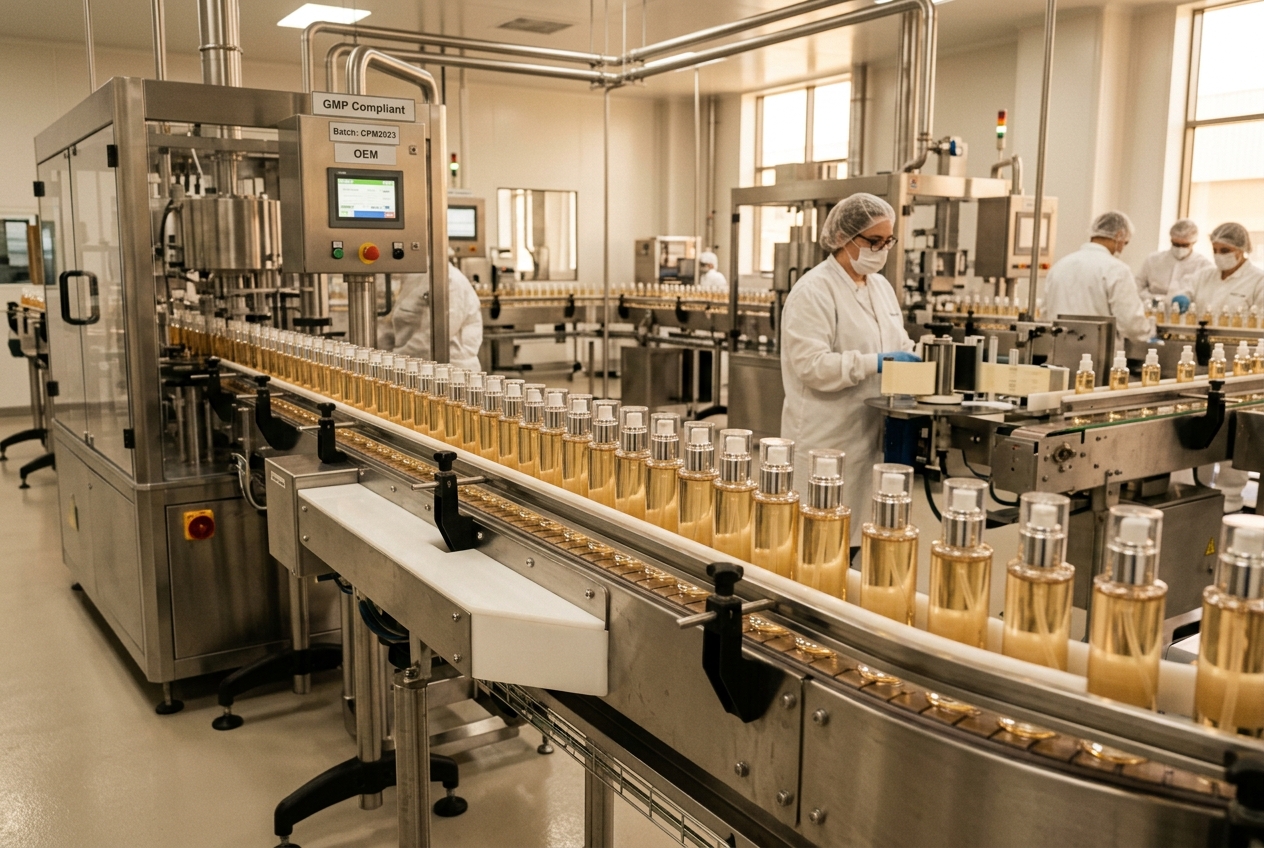
Exceptional textures don't emerge accidentally; they require rigorous development protocols and manufacturing precision. Temperature control during processing, mixing speeds, cooling rates, and even vessel geometry influence final texture. This explains why luxury brands partner with specialised manufacturers possessing both technical expertise and quality-assured facilities operating to GMP and ISO 22716 standards.
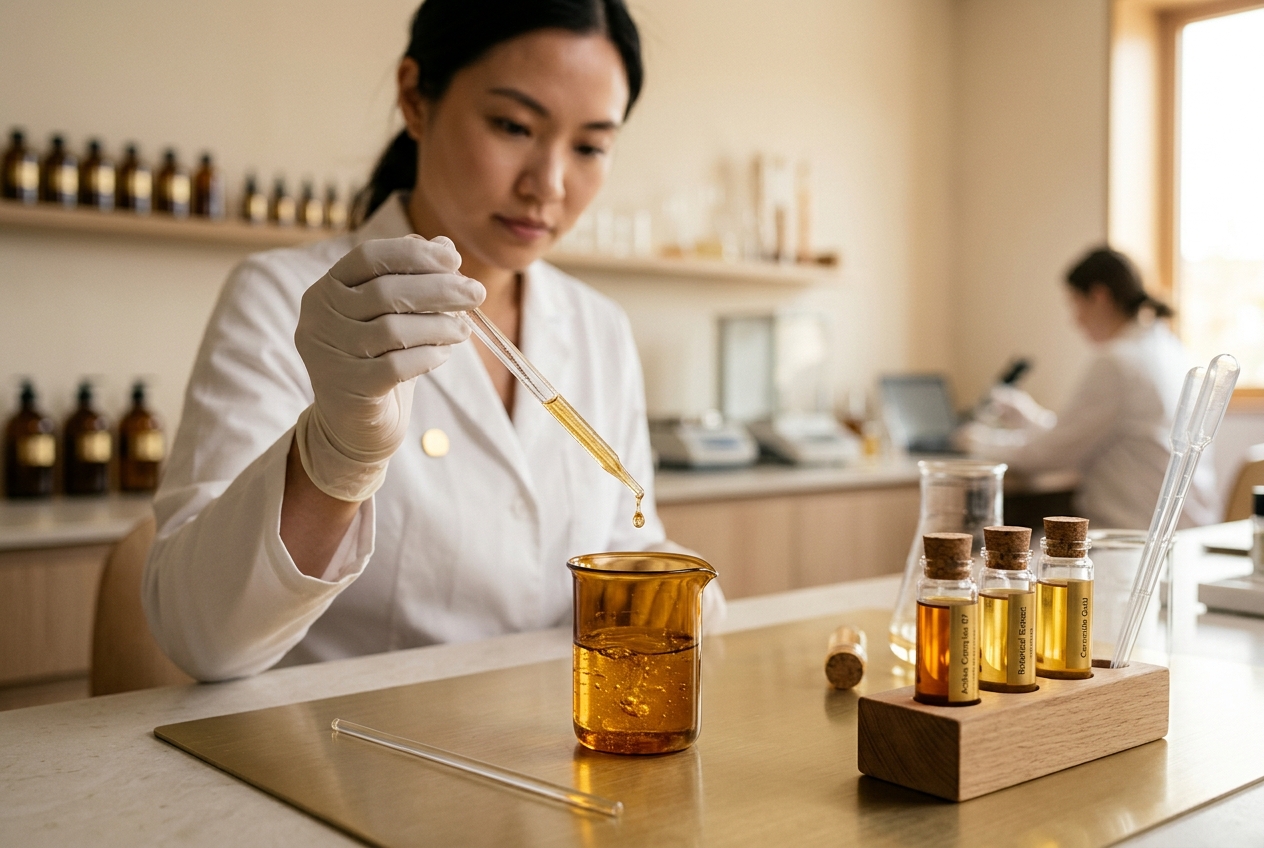
Sensory evaluation panels provide essential feedback during development. Trained assessors evaluate products across multiple parameters: pick-up, spreadability, absorption rate, after-feel, and residue. Instrumental analysis using texture analysers, rheometers, and tribometers provides objective data to complement subjective assessment. Brands like Wellmax & Maxwell exemplify this commitment to textural excellence through systematic sensory optimisation.
The Future of Sensory Formulation
Emerging technologies promise even greater textural sophistication. Biomimetic peptides that modify skin surface properties, microbiome-optimised textures that support skin flora, and neurocosmetic ingredients that directly influence sensory perception represent frontier areas. Sustainability considerations increasingly influence texture design, with natural rheology modifiers and biodegradable polymers gaining prominence.
Personalisation technologies may eventually enable bespoke texture profiles tailored to individual preferences and skin conditions. However, the fundamental principle remains constant: in prestige skincare, texture is not decoration but essential substance—a tangible expression of formulation mastery and manufacturing excellence.
Are you seeking to develop prestige skincare products with exceptional sensory profiles? Our formulation experts combine scientific rigour with artisanal craftsmanship to create textures that define luxury. Contact our team to discuss how we can bring your vision for sensorial excellence to life through precision formulation and GMP-certified manufacturing.