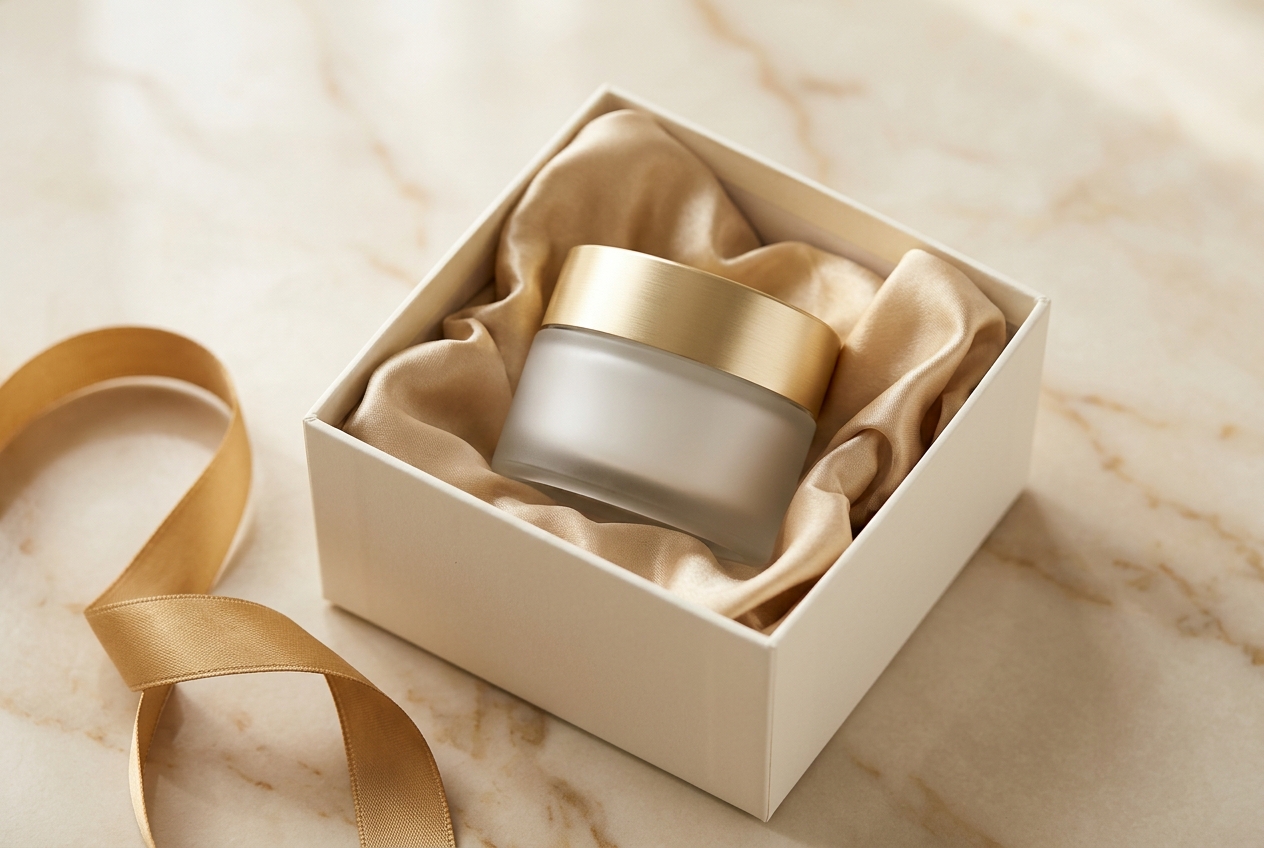
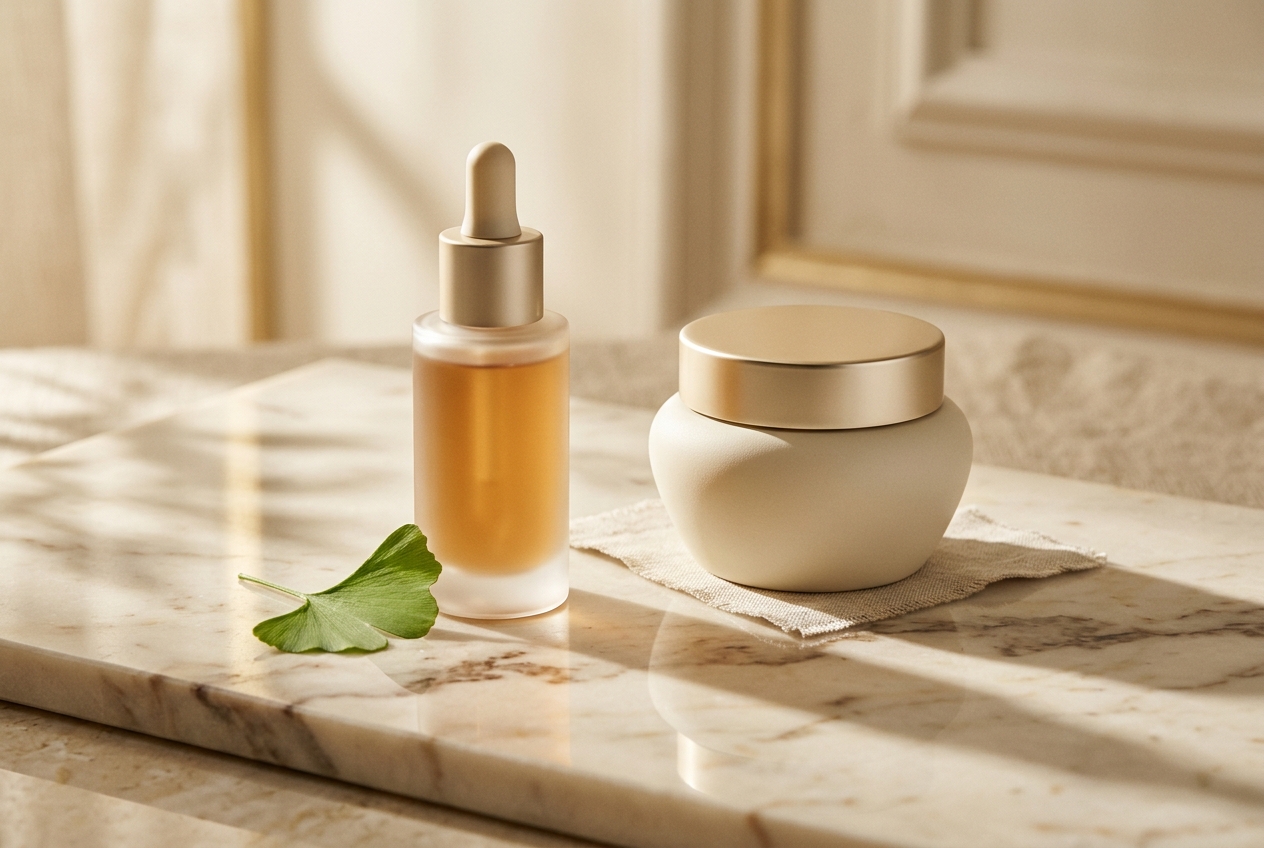
The prestige beauty sector stands at a transformative juncture where environmental responsibility and uncompromising luxury converge. Ultra-high-net-worth consumers increasingly demand that their premium cosmetics reflect not only exceptional quality but also genuine ecological stewardship. Refillable glass packaging and sustainable materials have emerged as the definitive answer, proving that environmental consciousness need not compromise the tactile satisfaction and visual opulence expected from luxury beauty products.
The Evolution of Luxury Beauty Packaging
Traditional luxury packaging has long emphasised weight, opacity, and elaborate decoration as markers of prestige. However, contemporary affluent consumers—particularly those under 45—evaluate luxury through a more sophisticated lens that incorporates provenance, longevity, and ecological impact. This demographic shift has compelled prestige brands to reimagine their packaging strategies entirely.
Glass has re-emerged as the material of choice for discerning brands, offering inherent qualities that align with both luxury positioning and sustainability imperatives. Unlike plastic alternatives, glass provides complete inertness, ensuring product integrity whilst remaining infinitely recyclable without quality degradation. The substantial weight and crystalline clarity of premium glass convey immediate luxury, satisfying the sensory expectations of prestige consumers whilst offering genuine environmental credentials.
Refillable Systems: Engineering Elegance and Sustainability
Refillable packaging represents the apex of sustainable luxury innovation. Leading prestige houses have invested substantially in engineering sophisticated refill mechanisms that maintain hermetic seals, preserve product efficacy, and deliver the ceremonial experience luxury consumers expect. These systems typically feature precisely machined components, magnetic closures, and intuitive threading mechanisms that transform replenishment into a ritual rather than a compromise.
The economics of refillable luxury prove compelling for both brands and consumers. Whilst initial purchase prices for refillable compacts, bottles, and jars command premium positioning—often 30-50% above standard packaging—refill cartridges typically retail at 20-30% below full-size equivalents. This pricing architecture rewards brand loyalty whilst reducing material consumption by up to 70% over the product lifecycle.
Material Innovation in Sustainable Prestige Packaging
Beyond refillability, material science has introduced remarkable innovations in sustainable luxury packaging. Post-consumer recycled (PCR) glass now achieves the optical clarity and uniformity previously exclusive to virgin materials, whilst bio-based polymers derived from sustainable forestry provide lightweight secondary packaging without petroleum dependence.
Several pioneering contract manufacturing facilities have developed proprietary glass formulations incorporating up to 50% recycled content whilst maintaining the flawless surface finish and optical properties essential for prestige applications. These technical achievements allow brands to substantially reduce embodied carbon without aesthetic compromise—a critical consideration for luxury positioning.
Decorative techniques have similarly evolved to embrace sustainability. Screen printing with low-VOC inks, laser etching that eliminates chemical processes entirely, and electroplating using closed-loop systems now deliver the visual impact luxury demands whilst minimising environmental burden. Premium metallised finishes can now be achieved using water-based technologies that eliminate hexavalent chromium and other problematic chemistries.
Consumer Psychology and Sustainable Luxury
Research into affluent consumer behaviour reveals that sustainability credentials significantly enhance perceived value in the prestige segment when executed with uncompromising quality. The key lies in additive luxury—sustainable features must enhance rather than diminish the ownership experience. Refillable packaging succeeds precisely because it offers additional benefits: reduced spatial footprint for frequent travellers, enhanced durability through substantial construction, and the satisfaction of mindful consumption.
Brands such as Wellmax & Maxwell have demonstrated that transparent communication about sustainable innovations strengthens rather than undermines luxury positioning. Detailed documentation of material provenance, carbon impact calculations, and end-of-life recycling programmes signal sophistication and authenticity to discerning consumers who increasingly scrutinise brand claims.
Regulatory Landscape and Future Directions
European Union initiatives, particularly the proposed Packaging and Packaging Waste Directive revisions, will mandate increasing recycled content thresholds and reusability targets. These regulatory pressures accelerate rather than initiate change in the prestige sector, where forward-thinking brands view compliance as baseline rather than ceiling. Extended Producer Responsibility schemes across European markets increasingly require brands to fund collection and recycling infrastructure, making refillable systems economically advantageous beyond their marketing value.
Technical Challenges and Solutions
Implementing refillable systems presents specific technical challenges that demand engineering sophistication. Maintaining consistent product performance across multiple refill cycles requires precision manufacturing tolerances and robust closure mechanisms. Contamination prevention, particularly for skincare formulations sensitive to microbial incursion, necessitates consumer education and foolproof mechanical design.
Leading manufacturers have addressed these challenges through innovations including antimicrobial glass treatments, self-cleaning valve systems, and RFID authentication that prevents counterfeit refills whilst tracking product usage for personalised replenishment programmes. These technical solutions transform potential vulnerabilities into opportunities for enhanced consumer engagement and brand protection.
Commercial Imperatives for Prestige Brands
The business case for sustainable luxury packaging extends beyond regulatory compliance and consumer preference. Refillable systems generate recurring revenue streams, enhance customer lifetime value, and create natural touchpoints for relationship building. Subscription models built around automatic refill delivery have proven particularly successful, combining convenience with consistency of supply.
For brands developing new prestige lines, integrating sustainable packaging from inception proves substantially more cost-effective than retrofitting established products. Tooling investments for refillable systems, whilst significant, amortise favourably across production volumes typical of successful luxury lines, particularly when standardised platforms accommodate multiple SKUs.
The convergence of sustainability and luxury represents not a temporary trend but a fundamental recalibration of prestige beauty standards. Brands that embrace refillable glass packaging and genuine material innovation position themselves as category leaders, capturing the loyalty of influential consumers who increasingly view environmental stewardship as inseparable from true luxury. The question for prestige beauty brands is no longer whether to adopt sustainable packaging, but how quickly and comprehensively they can execute this essential transformation.
Ready to develop your sustainable prestige beauty line with refillable packaging solutions? Our technical team specialises in engineering luxury packaging systems that unite environmental responsibility with uncompromising quality. Contact us today to discuss how we can bring your vision for sustainable luxury to life.