
The prestige beauty sector stands at a pivotal juncture where environmental responsibility and luxury aesthetics are no longer mutually exclusive. Refillable glass packaging has emerged as the cornerstone of sustainable luxury, offering discerning consumers the opportunity to maintain their commitment to both planetary health and uncompromising quality. This transformation represents not merely a trend but a fundamental reimagining of what constitutes true luxury in the modern age.
The Evolution of Luxury Sustainability
Traditional luxury cosmetics have long relied upon elaborate packaging to communicate value and exclusivity. However, today's sophisticated consumers—particularly within the ultra-high-net-worth demographic—increasingly view sustainability credentials as an essential component of genuine luxury rather than an optional extra. This shift has catalysed innovation across the industry, with heritage houses and contemporary brands alike investing substantially in sustainable packaging solutions that maintain aesthetic rigour.
Refillable systems represent the apex of this evolution. Unlike single-use containers that end their lifecycle in landfill, premium refillable compacts and bottles transform packaging into cherished objects worthy of retention. The psychological shift is significant: consumers transition from disposing of empty containers to treasuring beautifully engineered vessels designed for longevity.
Glass: The Material of Discerning Choice
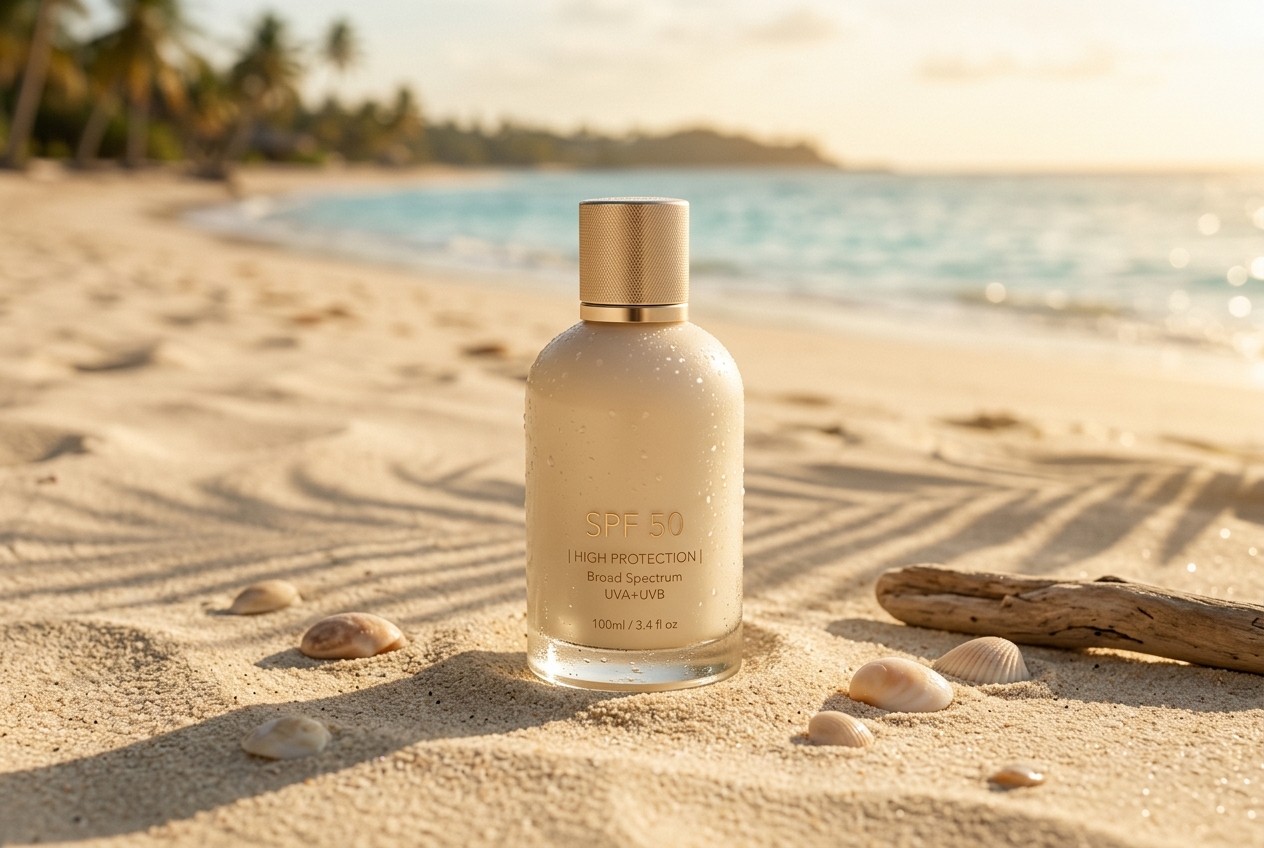
Glass has reclaimed its position as the pre-eminent material for prestige beauty packaging, and with compelling justification. Its inherent properties align perfectly with luxury positioning whilst delivering tangible environmental benefits. Glass is infinitely recyclable without quality degradation, chemically inert to protect delicate formulations, and possesses the substantial tactile weight that signals quality to consumers.
Contemporary contract manufacturing partners now offer sophisticated glass options including post-consumer recycled (PCR) glass, lightweight glass that reduces transportation emissions, and specialised treatments such as frosting, metallisation, and colour-coating that maintain visual impact. The technical capabilities available to brands have never been more extensive, enabling bespoke solutions that honour both aesthetic vision and environmental imperatives.
Refillable Architecture in Practice
Implementing refillable systems requires meticulous engineering. Premium refillable compacts for powder products typically feature magnetic closure systems, precisely machined metal components, and interchangeable pan inserts. For liquid formulations, brands have developed ingenious mechanisms including twist-and-lock bottles, cartridge systems, and pump assemblies designed for effortless replacement whilst maintaining hermetic sealing.
The Japanese luxury market has particularly excelled in this domain, with brands creating refillable systems so elegantly designed that the refilling process itself becomes a ritual—a moment of mindful engagement that deepens the relationship between consumer and product. This approach transforms a functional necessity into an experience worthy of the luxury positioning.
Beyond Glass: Innovative Sustainable Materials
Whilst glass dominates refillable luxury packaging, complementary materials play crucial supporting roles. Aluminium has gained prominence for its lightweight properties and infinite recyclability, particularly for tubes and certain closures. When anodised or powder-coated, aluminium achieves a premium aesthetic indistinguishable from heavier alternatives.
Bioplastics derived from renewable resources present another frontier, though application in prestige beauty remains selective. The most successful implementations combine bioplastics for internal components where visibility is limited, reserving glass and metal for consumer-facing surfaces. This hybrid approach optimises both sustainability metrics and luxury perception.
Increasingly, brands are exploring ocean-bound plastic—recovered before entering marine environments—and incorporating it into packaging components. When executed with sophistication, this circular approach resonates powerfully with environmentally conscious luxury consumers who appreciate tangible environmental impact.
The Economics of Refillable Luxury
Contrary to assumptions, refillable systems present compelling commercial logic. Initial production costs for premium refillable packaging typically exceed disposable alternatives by 40-60%, yet this investment yields multiple returns. Refill products command lower price points whilst maintaining healthy margins due to reduced packaging costs, creating accessible entry points for new consumers whilst rewarding loyalty among existing clientele.
Consumer research consistently demonstrates that luxury buyers willingly invest in superior initial packaging when refill options exist, viewing the purchase as acquiring a lasting object rather than ephemeral consumption. This psychology supports premium pricing strategies whilst simultaneously enhancing brand perception as forward-thinking and responsible.
Regulatory Landscape and Certification
The European Union's evolving packaging regulations increasingly favour reusable and refillable systems, with proposed legislation targeting single-use packaging reduction. Brands developing refillable architectures now position themselves advantageously for future compliance whilst potentially accessing incentives for sustainable innovation.
Certifications such as Cradle to Cradle, EcoVadis, and B Corporation status provide third-party validation of sustainability claims, crucial in an environment where greenwashing concerns persist. For Wellmax & Maxwell and similar prestige brands, transparent communication backed by credible certification builds the trust essential to luxury positioning.
Design Language of Sustainable Prestige
The aesthetic vocabulary of sustainable luxury packaging has matured considerably. Early sustainable packaging often telegraphed its environmental credentials through deliberately understated, almost apologetic design. Contemporary approaches embrace maximalist beauty whilst incorporating sustainable materials—proving that environmental responsibility need not compromise visual impact.
Successful designs balance timelessness with contemporary relevance, ensuring refillable containers remain desirable across multiple product cycles. Neutral colourways, geometric precision, and tactile finishes create enduring appeal, whilst customisation options through engraving or interchangeable decorative elements maintain novelty and personal connection.
Moving Forward: Implementation Strategy
For brands contemplating refillable luxury systems, success requires commitment across multiple dimensions. Product formulation must ensure stability and performance across the extended lifecycle. Supply chain infrastructure needs adaptation to accommodate reverse logistics and refill distribution. Consumer education programmes must clearly communicate refill procedures and environmental benefits without undermining luxury positioning.
The rewards, however, justify the complexity. Brands successfully implementing premium refillable systems report enhanced customer loyalty, increased lifetime value, and powerful differentiation in crowded markets. As environmental consciousness deepens across all consumer segments, sustainable luxury transitions from competitive advantage to competitive necessity.
Are you ready to develop sustainable luxury packaging that elevates your brand whilst honouring environmental commitments? Our team specialises in creating bespoke refillable systems and eco-conscious packaging solutions for prestige beauty brands. Contact us today to explore how we can transform your sustainability vision into market-ready innovation.