
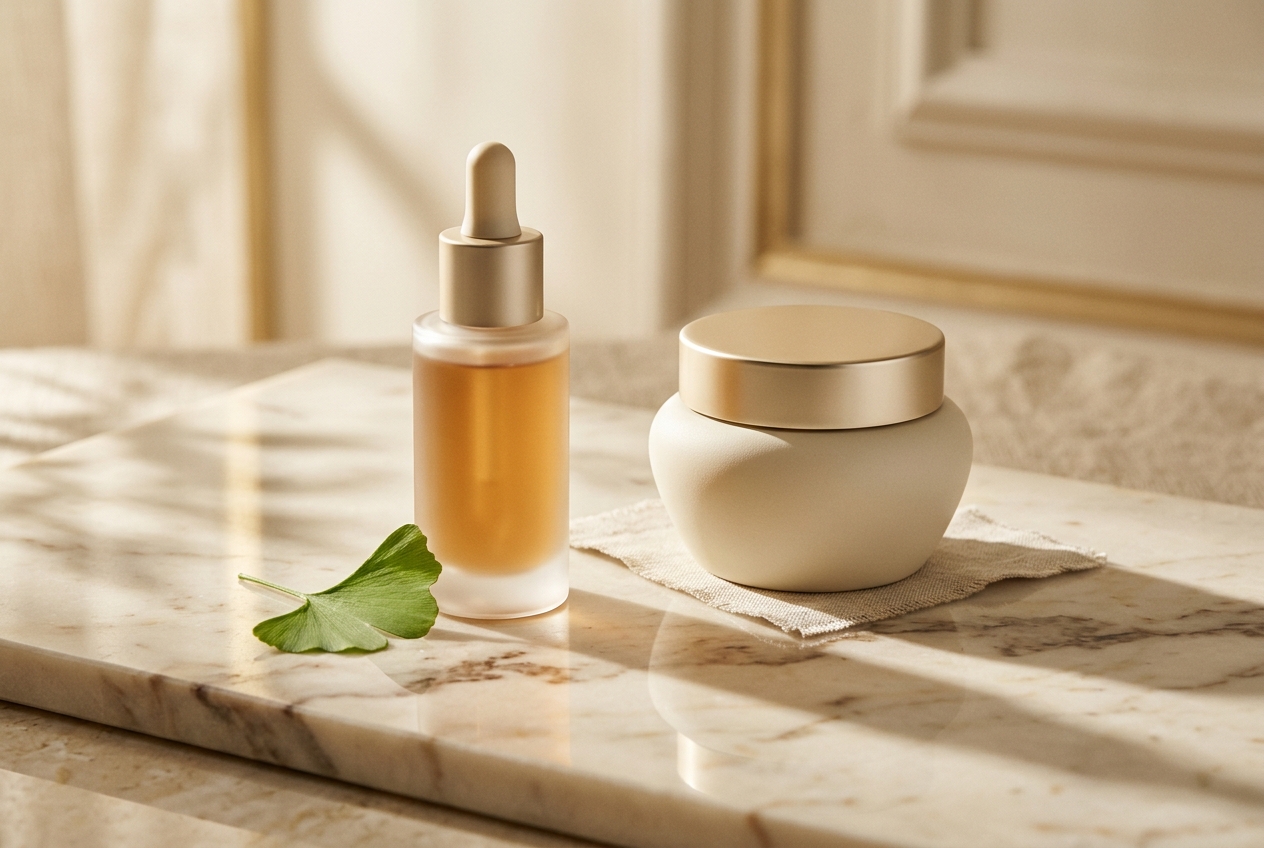
The confluence of environmental consciousness and luxury has fundamentally altered the prestige beauty landscape. No longer mutually exclusive, sustainability and opulence now intertwine as discerning consumers demand both ethical integrity and uncompromising quality. At the forefront of this transformation stands refillable glass packaging—a sophisticated solution that honours heritage craftsmanship whilst addressing contemporary environmental imperatives.
The Evolution of Sustainable Luxury Packaging
Ultra-luxury beauty brands have historically relied upon elaborate packaging to convey exclusivity and justify premium pricing. Yet the tide has shifted dramatically. Today's affluent consumers possess acute environmental awareness, with research indicating that sustainability credentials influence purchasing decisions across all demographics, particularly amongst high-net-worth individuals who view environmental stewardship as a hallmark of true luxury.
Refillable glass packaging represents the apex of this evolution. Unlike single-use alternatives, these systems marry aesthetic excellence with practical sustainability. Heavyweight glass vessels, often featuring proprietary mechanisms and distinctive design elements, transform the replenishment ritual into an experience worthy of prestige products. The tactile satisfaction of a precisely engineered refill system communicates permanence and considered design—qualities that resonate deeply with luxury consumers.
Material Innovation: Why Glass Remains Supreme
Whilst various sustainable materials compete for attention, glass maintains its supremacy in prestige beauty for compelling reasons. Its inert nature ensures complete compatibility with sophisticated formulations, preventing contamination or degradation that might compromise product efficacy. This chemical stability proves particularly crucial for advanced skincare containing potent actives, botanical extracts, or precisely balanced pH-dependent ingredients.
Glass offers unparalleled recyclability, endlessly reprocessable without quality deterioration. When integrated into refillable systems, its environmental credentials strengthen exponentially. Premium formulations housed in artisanal glass vessels can be replenished indefinitely, dramatically reducing waste whilst preserving the luxurious presentation consumers expect.
The sensory dimension cannot be overlooked. Glass possesses inherent weight and coolness that communicate quality immediately upon handling. This tactile feedback forms part of the luxury experience, something lightweight alternatives struggle to replicate. For brands seeking to maintain prestige positioning whilst embracing sustainability, glass provides the optimal solution.
Refill Systems: Engineering Elegance
Successful refillable packaging requires meticulous engineering. The mechanism must function flawlessly—any awkwardness or complexity undermines the luxury proposition. Leading brands invest substantially in proprietary refill systems that operate with satisfying precision, often incorporating magnetic closures, twist-lock mechanisms, or slide-in cartridge designs that feel intuitive and refined.
The refill pod itself demands equal attention. Whether constructed from recycled materials, designed for home composting, or engineered for industrial recycling streams, these components must align with broader sustainability objectives. Many premium brands now utilise refill pods containing post-consumer recycled content or bio-based plastics, minimising environmental impact whilst maintaining product protection.
For brands working with contract manufacturing partners, developing refillable systems requires collaborative innovation. Formulators, packaging engineers, and sustainability consultants must work in concert to ensure both product integrity and environmental performance throughout the entire lifecycle.
The Circular Beauty Economy
Refillable packaging forms a cornerstone of circular economy principles within prestige beauty. Rather than the linear take-make-dispose model, circularity emphasises longevity, reuse, and regeneration. Luxury brands increasingly recognise that circular business models align perfectly with heritage values of quality, craftsmanship, and enduring value.
Some houses now offer take-back programmes, accepting empty vessels for professional cleaning and refurbishment before returning them to circulation. Others provide in-store refill stations where customers can replenish products in their original packaging, creating experiential retail moments whilst eliminating shipping impacts associated with replacement purchases.
This approach transforms customer relationships. Refillable systems encourage ongoing engagement rather than transactional interactions, fostering loyalty through repeated touchpoints. The initial investment in premium packaging becomes justified through extended use, actually enhancing perceived value over time.
Beyond Glass: Complementary Sustainable Innovations
Whilst refillable glass anchors sustainable luxury packaging, complementary innovations enhance environmental performance. Brands now employ FSC-certified wood accents, recycled aluminium components, and plant-based lacquers to create cohesive sustainable design languages. Secondary packaging utilises recycled paperboard, whilst protective elements incorporate mushroom mycelium or seaweed-based alternatives to conventional plastics.
Transparency has become paramount. Luxury consumers expect detailed information about material sourcing, manufacturing processes, and end-of-life options. Brands that articulate their sustainability journey authentically—acknowledging challenges whilst demonstrating progress—build credibility that superficial greenwashing cannot match.
Commercial Considerations for Prestige Brands
Implementing refillable glass systems requires significant upfront investment. Tooling costs, minimum order quantities, and inventory management complexity all increase compared to conventional packaging. However, forward-thinking brands recognise these expenditures as strategic investments in brand equity and customer lifetime value.
The pricing strategy must reflect this reality. Refillable systems typically command premium prices for initial purchases, with refills priced to encourage repeat engagement whilst maintaining margin integrity. This tiered approach allows brands to reward loyalty whilst recouping development costs.
For businesses exploring sustainable packaging solutions, partnering with experienced manufacturers proves essential. Whether developing proprietary formulations for Wellmax & Maxwell or creating bespoke brand identities, expertise in sustainable packaging integration ensures commercial viability alongside environmental performance.
Future Trajectories in Sustainable Prestige Packaging
The evolution continues apace. Emerging technologies include smart packaging with embedded NFC chips that verify authenticity whilst providing refill reminders and sustainability impact data. Innovations in glass manufacturing reduce production energy requirements, whilst new closure systems eliminate the need for plastic components entirely.
Regulatory pressures will intensify. Extended Producer Responsibility schemes across Europe and beyond mandate that brands assume responsibility for packaging waste, creating financial incentives for refillable systems. Progressive luxury houses view these regulations not as burdens but as catalysts for innovation that differentiates them from competitors.
The intersection of sustainability and luxury no longer represents compromise—it defines the future of prestige beauty. Refillable glass packaging exemplifies how environmental responsibility can enhance rather than diminish the luxury proposition, creating products that satisfy both conscience and desire. For brands committed to leadership in this evolving landscape, sustainable packaging innovation offers a powerful means to demonstrate values, engage discerning consumers, and build enduring relevance in an increasingly conscious marketplace.