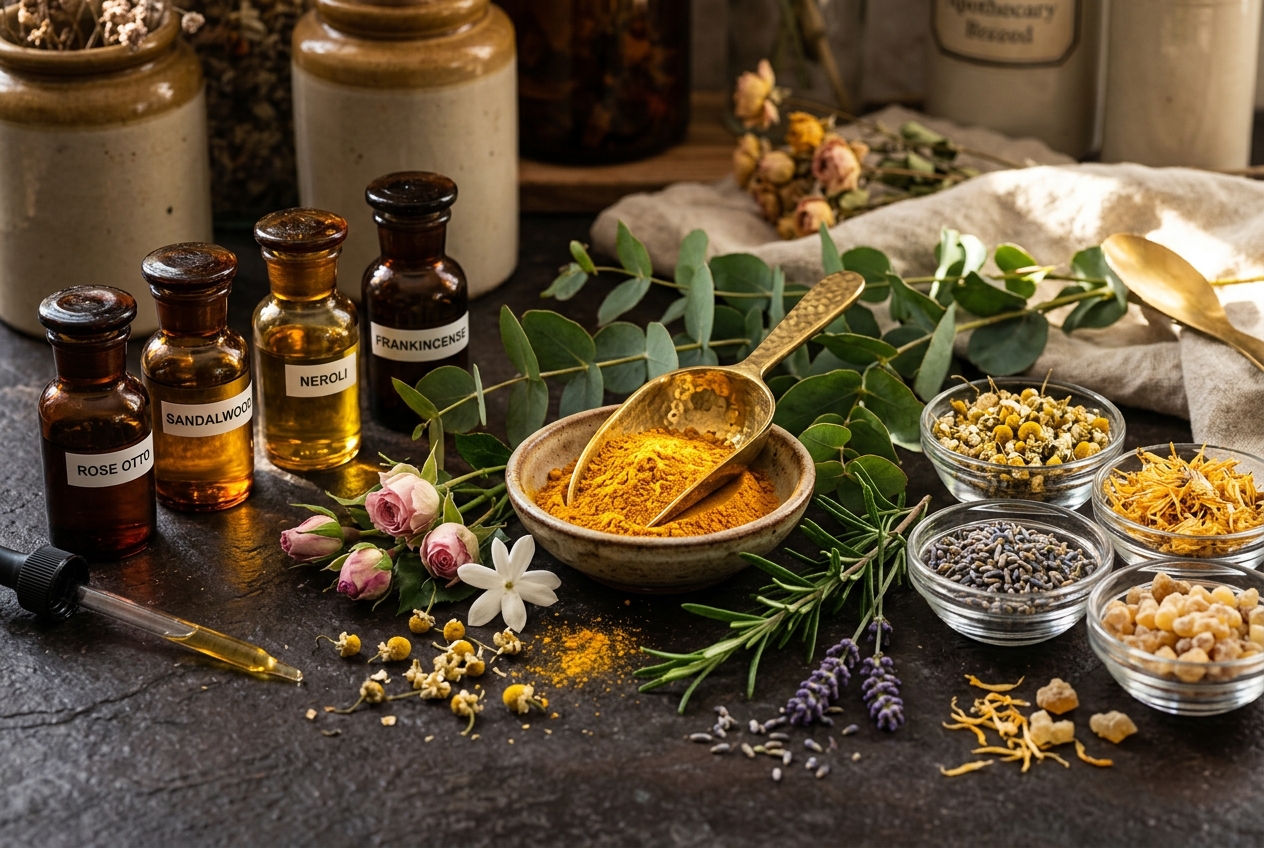
The beauty industry stands at a crossroads. Whilst mass production continues to dominate the mainstream market, a quiet revolution is reshaping the ultra-luxury segment. Slow beauty—a movement prioritising craftsmanship, transparency and small-batch production—has emerged as the antithesis to fast beauty culture, offering discerning consumers products that honour both heritage techniques and environmental responsibility.
This shift towards artisanal manufacturing represents more than a fleeting trend. It reflects a fundamental recalibration of values amongst prestige consumers who increasingly view their skincare and cosmetics as investments in quality, efficacy and ethical production rather than disposable commodities.
The Philosophy Behind Slow Beauty
Slow beauty borrows its ethos from the slow food movement, emphasising intentionality at every stage of product development. Rather than rushing formulations to market to capitalise on transient trends, slow beauty brands dedicate months—sometimes years—to perfecting each product. This unhurried approach allows formulators to source exceptional raw materials, conduct extensive stability testing and refine textures to exacting standards.
The philosophy extends beyond the laboratory. Slow beauty encompasses sustainable sourcing, minimal environmental impact, transparency in ingredient provenance and respect for traditional extraction methods that preserve the bioactive integrity of botanical ingredients. It asks fundamental questions: Where do our ingredients originate? Who cultivates them? What impact does our production have on local ecosystems and communities?
Artisanal Techniques in Modern Formulation
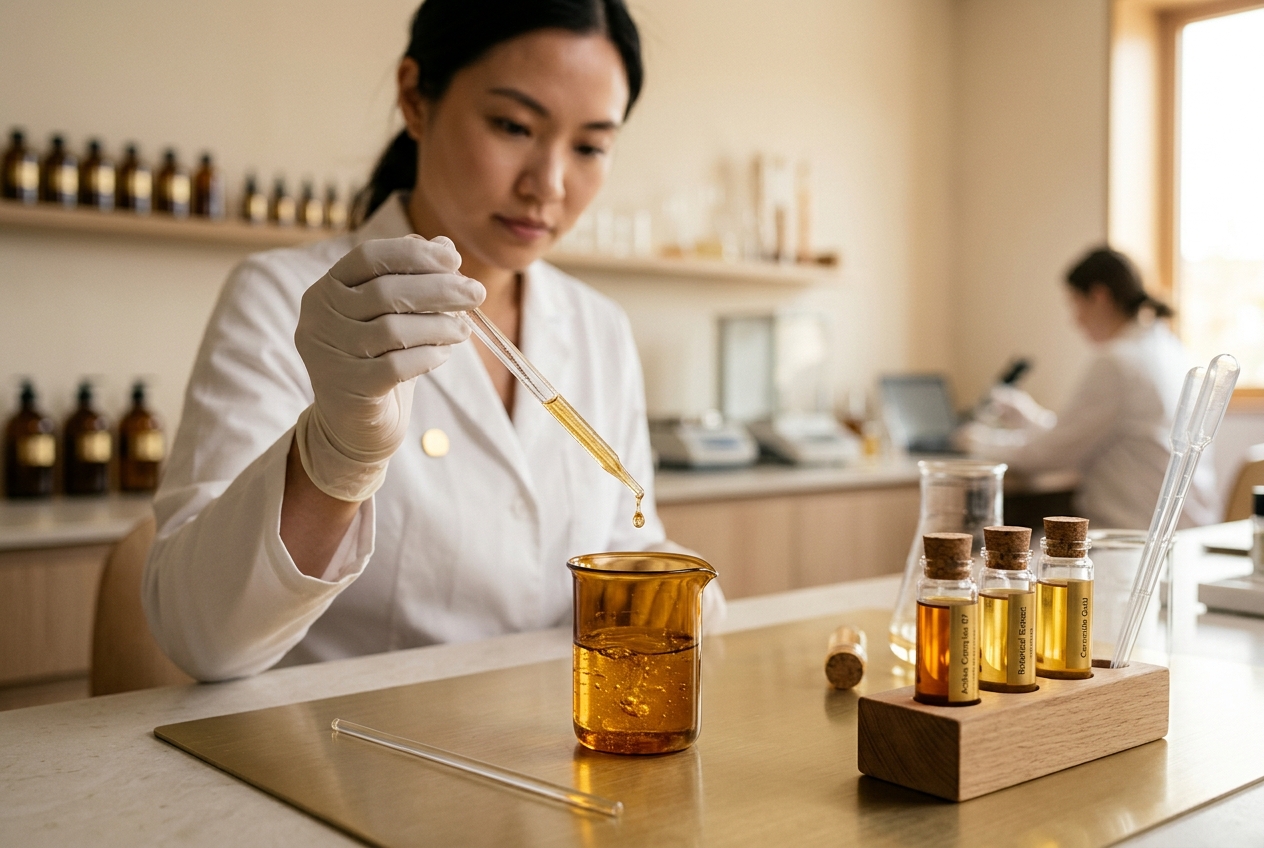
Small-batch production enables manufacturers to employ time-intensive techniques incompatible with mass production. Cold-processing methods, for instance, preserve heat-sensitive vitamins and antioxidants that would degrade during conventional manufacturing. Hand-blending allows formulators to monitor texture development with precision impossible in industrial-scale mixers.
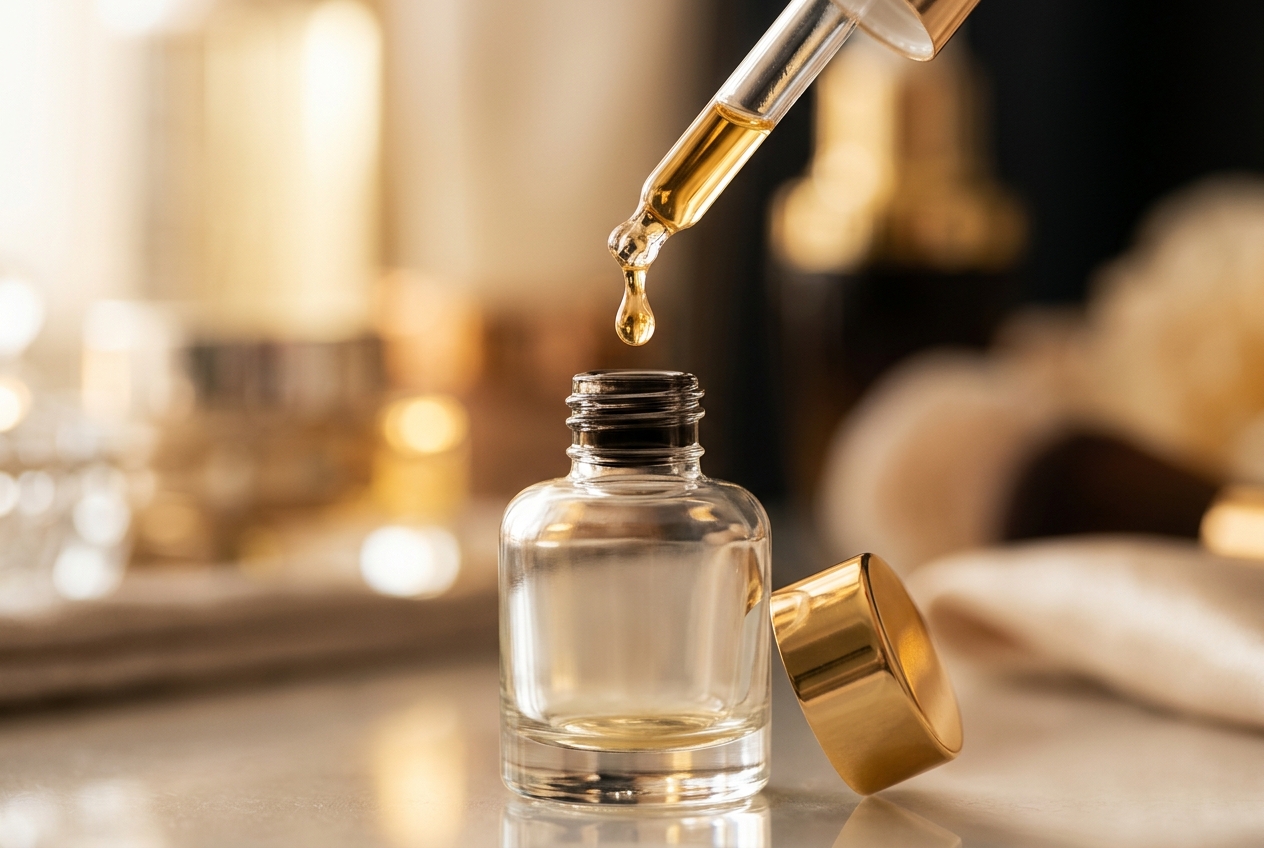
Consider the traditional enfleurage process, once abandoned due to labour intensity, now experiencing revival in ultra-luxury perfumery. This centuries-old technique captures delicate floral essences in purified fats, yielding aromatic profiles unattainable through steam distillation. Similarly, some prestige skincare houses employ extended maceration periods for botanical extracts, allowing compounds to develop complexity over weeks rather than hours.
The Small-Batch Advantage
Manufacturing in small batches offers tangible benefits beyond romantic notions of craftsmanship. Batch sizes of 50 to 500 units allow for meticulous quality control, with each production run subject to rigorous testing. Should any parameter fall outside specifications, the limited quantity ensures minimal waste and rapid corrective action.
Small-batch production also facilitates ingredient traceability. When a contract manufacturing partner produces limited quantities, they can document the precise origin of every raw material, providing the transparency that luxury consumers increasingly demand. This granular oversight proves particularly valuable for brands emphasising single-estate botanicals or rare indigenous ingredients.
Furthermore, small batches ensure optimal freshness. Products reach consumers closer to their manufacturing date, maximising the potency of active ingredients. Many slow beauty brands deliberately eschew extended shelf lives, formulating with minimal preservatives and encouraging consumers to use products within specific timeframes for peak efficacy.
Sustainability Through Intentionality
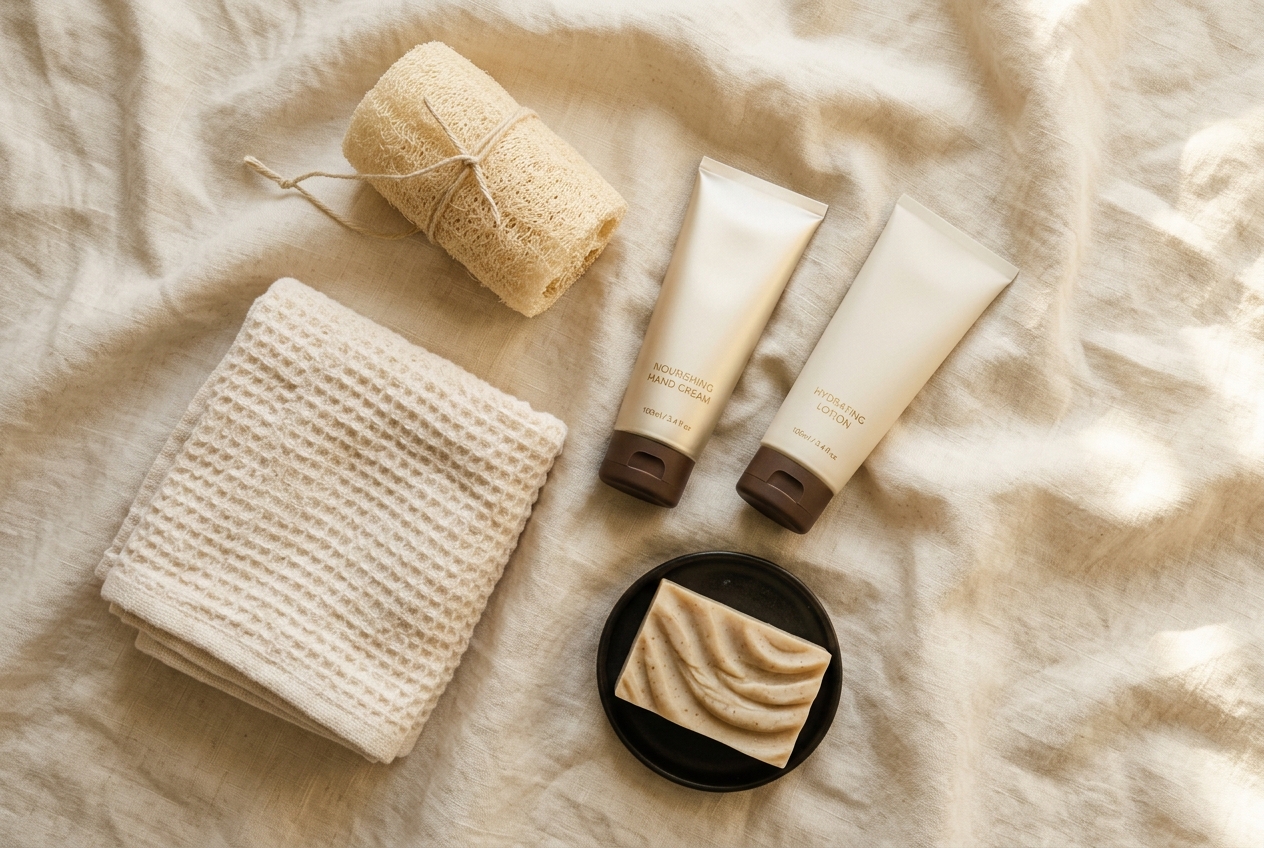
The slow beauty movement aligns naturally with environmental stewardship. Small-batch production generates less waste, as manufacturers can adjust formulations without discarding vast quantities of product. Artisanal brands typically favour recyclable or biodegradable packaging, often working with local craftspeople to create refillable vessels from glass, ceramic or sustainably harvested wood.
Ingredient sourcing reflects similar values. Rather than securing the lowest-cost materials from industrial suppliers, slow beauty brands establish direct relationships with small-scale growers practising regenerative agriculture. These partnerships support biodiversity, ensure fair compensation for agricultural communities and yield superior raw materials cultivated without synthetic pesticides or fertilisers.
The Economics of Exclusivity
Small-batch luxury cosmetics command premium pricing, but discerning consumers understand they are purchasing more than product. They invest in provenance, ethics and efficacy. The price reflects the true cost of responsible production: fair wages for skilled artisans, premium ingredients sourced sustainably and the time required for proper formulation development.
This economic model also creates genuine exclusivity. When production runs number in the hundreds rather than hundreds of thousands, scarcity becomes authentic rather than artificially engineered. Limited availability appeals to ultra-luxury consumers seeking products that cannot be found in every boutique or department store.
Transparency as Luxury
Modern luxury consumers possess unprecedented access to information and demand corresponding transparency from brands. Slow beauty responds by openly sharing formulation philosophies, ingredient sourcing practices and manufacturing processes. Some brands provide batch numbers linking to detailed production documentation, including harvest dates for botanical ingredients and testing certificates.
This transparency extends to acknowledging limitations. Rather than claiming miraculous results, slow beauty brands communicate realistic expectations, explaining how specific ingredients function and what improvements consumers might anticipate over time. This honesty builds trust and cultivates long-term customer relationships based on genuine performance rather than hyperbolic marketing claims.
The Future of Artisanal Luxury
As the slow beauty movement matures, expect increasing sophistication in how small-batch brands balance tradition with innovation. Advanced analytical techniques now allow formulators to identify and preserve the specific compounds responsible for traditional ingredients' efficacy whilst ensuring safety and stability.
The movement also influences larger manufacturers. Some established houses have created small-batch divisions or artisanal lines, recognising that a segment of their clientele values craftsmanship above convenience. Even within mass-market production, slow beauty principles—transparency, sustainability, quality—increasingly inform corporate practices.
For those interested in exploring products that embody these values, our Wellmax & Maxwell collections demonstrate how artisanal principles can be applied within GMP and ISO 22716-certified facilities, ensuring both craftsmanship and safety.
Embrace the slow beauty philosophy in your own brand development. Our team combines traditional craftsmanship with modern quality standards to create small-batch luxury cosmetics that reflect your values and exceed your customers' expectations. Contact us to discuss how artisanal manufacturing can elevate your prestige beauty line.