The ultra-luxury cosmetics sector is experiencing a profound shift towards slow beauty—a philosophy that champions meticulous craftsmanship, small-batch production, and mindful ingredient selection over mass-market efficiency. This movement represents more than a fleeting trend; it embodies a fundamental recalibration of values within the prestige beauty industry, where discerning consumers increasingly seek products that honour both artisanal heritage and environmental stewardship.
The Philosophy Behind Slow Beauty
Slow beauty draws inspiration from the broader slow movement that originated in gastronomy, advocating for quality, transparency, and sustainability. In cosmetics manufacturing, this translates to deliberately paced production processes that prioritise formulation integrity over volume. Unlike conventional mass production, slow beauty emphasises the creator's intimate involvement throughout development, from raw material selection to final packaging.
This approach acknowledges that exceptional skincare cannot be rushed. Complex botanical extracts require proper maceration periods, fermented ingredients demand careful monitoring, and stability testing necessitates adequate time to ensure product excellence. Brands embracing slow beauty reject the relentless pressure to launch continuous product lines, instead focusing their expertise on perfecting a curated selection of formulations.
Small-Batch Production: Quality Through Precision
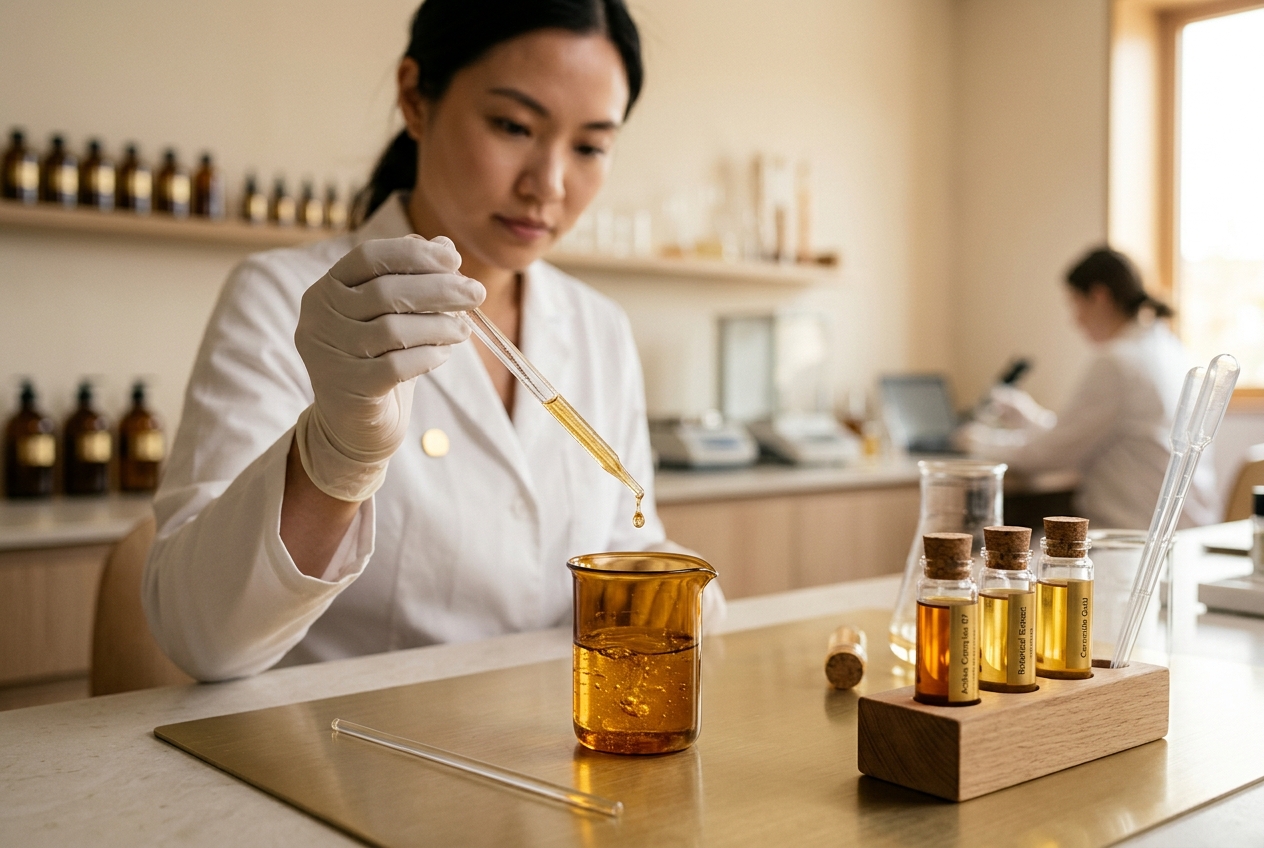
Small-batch manufacturing lies at the heart of slow beauty, typically involving production runs of fewer than 500 units per batch. This controlled scale offers several distinct advantages for ultra-luxury formulations. Formulators can maintain stringent quality control, monitoring each phase personally and making real-time adjustments to ensure consistency.
The intimate production scale enables the incorporation of precious, often unstable ingredients that would prove impractical in large-scale operations. Rare botanical extracts, cold-pressed oils with limited shelf stability, and freshly harvested marine actives can be processed immediately, preserving their bioactive potency. Many artisanal brands work with contract manufacturing partners who specialise in these boutique production requirements, ensuring GMP compliance whilst maintaining the bespoke character that defines slow beauty.
Ingredient Provenance and Traceability
Slow beauty places extraordinary emphasis on ingredient provenance. Artisanal brands forge direct relationships with botanical suppliers, visiting cultivation sites and understanding harvest cycles. This transparency extends throughout the supply chain, enabling brands to communicate authentic stories about ingredient origins—from Provençal rose estates to Hebridean seaweed harvesters.
Traceability becomes a luxury hallmark rather than merely a regulatory requirement. Consumers investing in ultra-premium products expect detailed documentation: which estate produced the rosehip oil, when the chamomile was harvested, how the honey was extracted. This level of transparency builds trust and justifies premium positioning in an increasingly sceptical marketplace.
Artisanal Craftsmanship in Formulation
The formulation process itself becomes an art form within slow beauty. Master formulators often draw upon traditional methods—cold processing, hand-blending, and extended maturation periods—that allow ingredients to synergise naturally. These techniques, whilst time-intensive, yield textures and sensorial experiences unattainable through standard industrial processing.
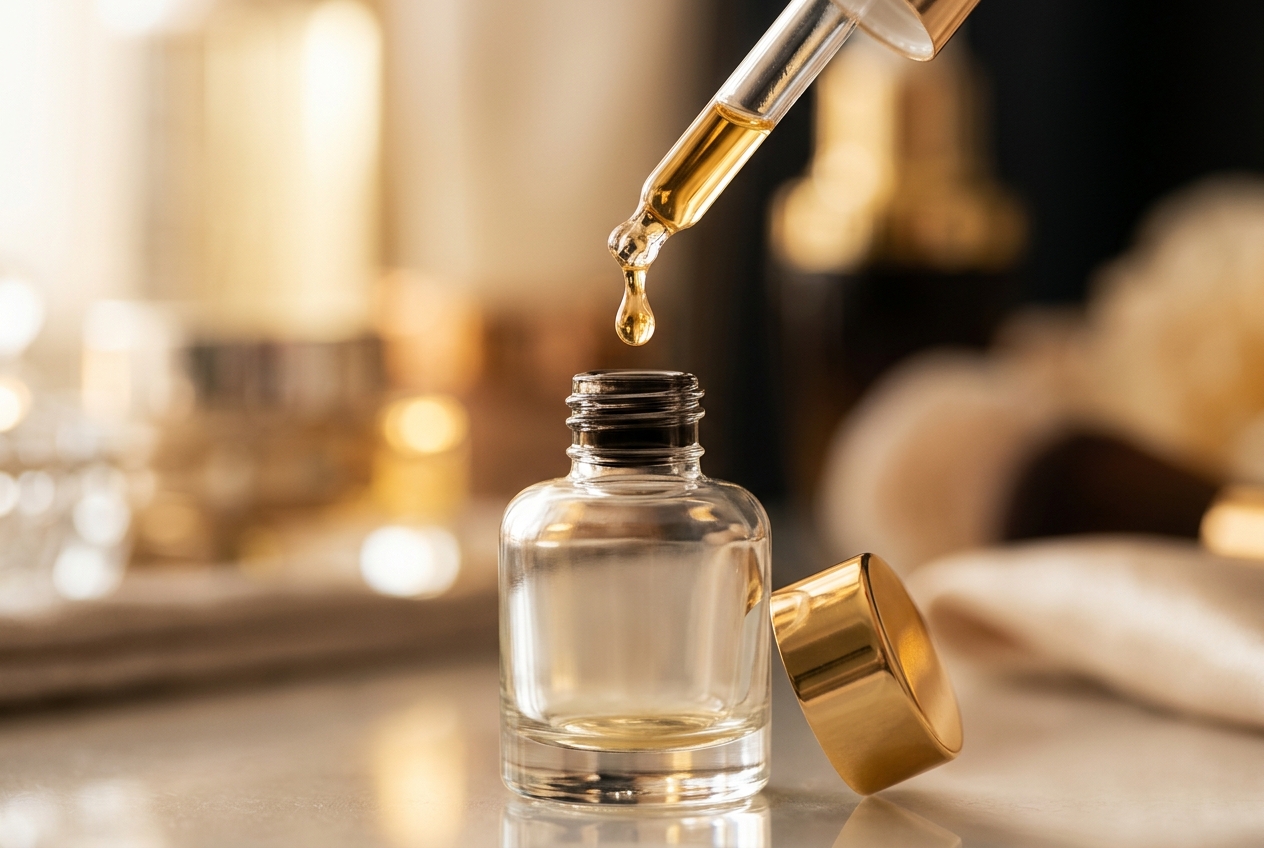
Consider cold-processed cleansing balms, where oils and waxes are blended at minimal temperatures to preserve heat-sensitive vitamins and antioxidants. Or aged facial oils, where botanical extracts macerate for months to achieve complex aromatic profiles and enhanced efficacy. These methods require patience, expertise, and a production environment that respects traditional craftsmanship whilst maintaining contemporary safety standards.
The Role of Fermentation and Bioprocessing
Many slow beauty brands incorporate fermentation—an ancient preservation technique experiencing renewed appreciation for its ability to enhance ingredient bioavailability. Fermented extracts, whether from rice, kombucha, or botanical sources, undergo microbial transformation that breaks down molecules into smaller, more readily absorbed compounds.
This bioprocessing requires careful environmental control, specific microbial cultures, and extended processing times—typically weeks rather than days. The resulting extracts offer unique probiotic benefits and complex aromatic profiles that distinguish artisanal formulations from their mass-produced counterparts.
Sustainable Practices and Ethical Considerations
Slow beauty inherently aligns with sustainability principles. Small-batch production generates less waste, as formulators can adjust quantities based on demand rather than producing speculative inventory. Packaging choices tend towards recyclable, refillable, or biodegradable options, with many brands favouring glass, aluminium, or innovative materials like mushroom-based packaging.
The movement also addresses ethical sourcing concerns. Direct relationships with ingredient suppliers ensure fair compensation for growers and harvesters, whilst supporting traditional agricultural practices and biodiversity. This ethical framework resonates powerfully with luxury consumers who view their purchases as value statements rather than mere transactions.
Market Positioning and Consumer Expectations
The slow beauty segment commands premium pricing, justified by ingredient quality, production methods, and brand storytelling. However, this positioning demands absolute transparency. Today's luxury consumers possess sophisticated knowledge and expect verifiable claims. Vague assertions about 'natural' or 'artisanal' characteristics no longer suffice; brands must provide substantive evidence of their slow beauty credentials.
Successful brands educate consumers about why their products justify higher price points—explaining the cost differential between cold-pressed versus refined oils, or documenting the labour involved in hand-harvesting marine ingredients. This educational approach transforms transactions into meaningful engagements, building lasting customer relationships.
The Future of Slow Beauty in Luxury Cosmetics
As the prestige beauty sector matures, slow beauty principles are likely to influence even established luxury houses. The movement challenges the industry's traditional emphasis on constant innovation and product proliferation, suggesting instead that true luxury lies in perfection of a focused range. Brands such as Wellmax & Maxwell exemplify this philosophy, offering meticulously crafted formulations that honour both efficacy and artisanal values.
Looking ahead, technology may paradoxically support slow beauty through improved traceability systems, precision fermentation techniques, and advanced stability testing that reduces time-to-market without compromising quality. The challenge lies in adopting beneficial innovations whilst preserving the human craftsmanship that defines the movement.
If you're considering developing a slow beauty line that embodies artisanal craftsmanship whilst meeting rigorous quality standards, our experienced team can guide you through small-batch formulation, ethical ingredient sourcing, and compliant production processes. Contact us to discuss how we can bring your vision of thoughtfully crafted luxury cosmetics to life.