The prestige beauty sector is witnessing a paradigm shift as neurocosmetics emerge at the intersection of neuroscience, dermatology and cosmetic science. This sophisticated approach recognises the skin not merely as a passive barrier but as a complex sensory organ in constant dialogue with the nervous system. For luxury brands and contract manufacturing partners, understanding this skin-brain axis represents a significant opportunity to develop products that address both physiological and psychological dimensions of beauty.
The Science Behind the Skin-Brain Connection
The skin and brain share a common embryological origin, both developing from the ectoderm during foetal development. This fundamental relationship establishes a bidirectional communication network known as the skin-brain axis, where neurotransmitters, neuropeptides and hormones facilitate constant dialogue between these two organs. Stress, for instance, triggers the release of cortisol and substance P, which can compromise skin barrier function, accelerate ageing and exacerbate inflammatory conditions.
Cutaneous nerve fibres contain numerous receptors that respond to mechanical, thermal and chemical stimuli. When activated by cosmetic formulations, these receptors can influence local skin responses whilst simultaneously sending signals to the central nervous system. This creates a sophisticated feedback loop where topical applications can potentially modulate both skin physiology and emotional states.
Key Neurocosmetic Ingredients in Ultra-Luxury Formulations
Premium neurocosmetic formulations incorporate specific actives targeting neurogenic inflammation and sensory perception. These ingredients represent the cutting edge of cosmetic science:
- Neuropeptides: Biomimetic peptides such as acetyl hexapeptide-8 and palmitoyl tripeptide-1 that modulate neurotransmitter release and muscular contraction, addressing expression lines whilst promoting skin relaxation
- Endorphin Boosters: Ingredients like beta-endorphin analogues and certain plant extracts that may influence the skin's own endorphin production, potentially enhancing feelings of wellbeing
- GABA-ergic Actives: Gamma-aminobutyric acid and its derivatives work to calm reactive skin by reducing neurogenic inflammation and sensory discomfort
- Cannabinoids: CBD and other non-psychoactive cannabinoids interact with the endocannabinoid system present in skin, offering anti-inflammatory and sebum-regulating properties
- Adaptogens: Botanical extracts such as ashwagandha, rhodiola and reishi mushroom that help skin resist environmental and psychological stressors
Sensorial Design: The Multisensory Prestige Experience
Beyond active ingredients, neurocosmetics encompasses the entire sensorial experience of product application. Luxury consumers increasingly value formulations that engage multiple senses simultaneously, creating rituals that promote mindfulness and stress reduction. This represents a departure from purely functional cosmetics towards products that offer emotional and psychological benefits.
Texture plays a crucial role in neurocosmetic design. The tactile experience of application—whether a cooling gel, a luxurious balm or a silken serum—activates mechanoreceptors in the skin, potentially triggering pleasurable sensations and promoting relaxation. Premium brands invest considerable resources in perfecting these textural elements, recognising that the physical act of application contributes significantly to perceived efficacy.
Olfactory components warrant particular attention in neurocosmetic formulation. The sense of smell connects directly to the limbic system, the brain region governing emotion and memory. Carefully selected fragrance compositions incorporating aromatherapeutic essential oils—lavender for relaxation, citrus for invigoration, rose for emotional balance—can enhance the psychological benefits of skincare rituals whilst maintaining the sophistication expected in prestige beauty.
Clinical Validation and Consumer Perception
The ultra-luxury segment demands robust scientific substantiation. Whilst traditional cosmetic testing focuses on objective measurements of hydration, elasticity or wrinkle depth, neurocosmetic validation must also assess subjective wellbeing parameters. This includes validated psychological questionnaires measuring stress levels, mood states and perceived quality of life alongside conventional dermatological assessments.
Self-perception studies have become increasingly important, examining how products influence consumers' feelings about their skin and overall appearance. These psychometric evaluations, when conducted rigorously, provide compelling evidence of a product's holistic benefits—essential for prestige positioning and premium pricing justification.
Formulation Challenges in Neurocosmetic Development
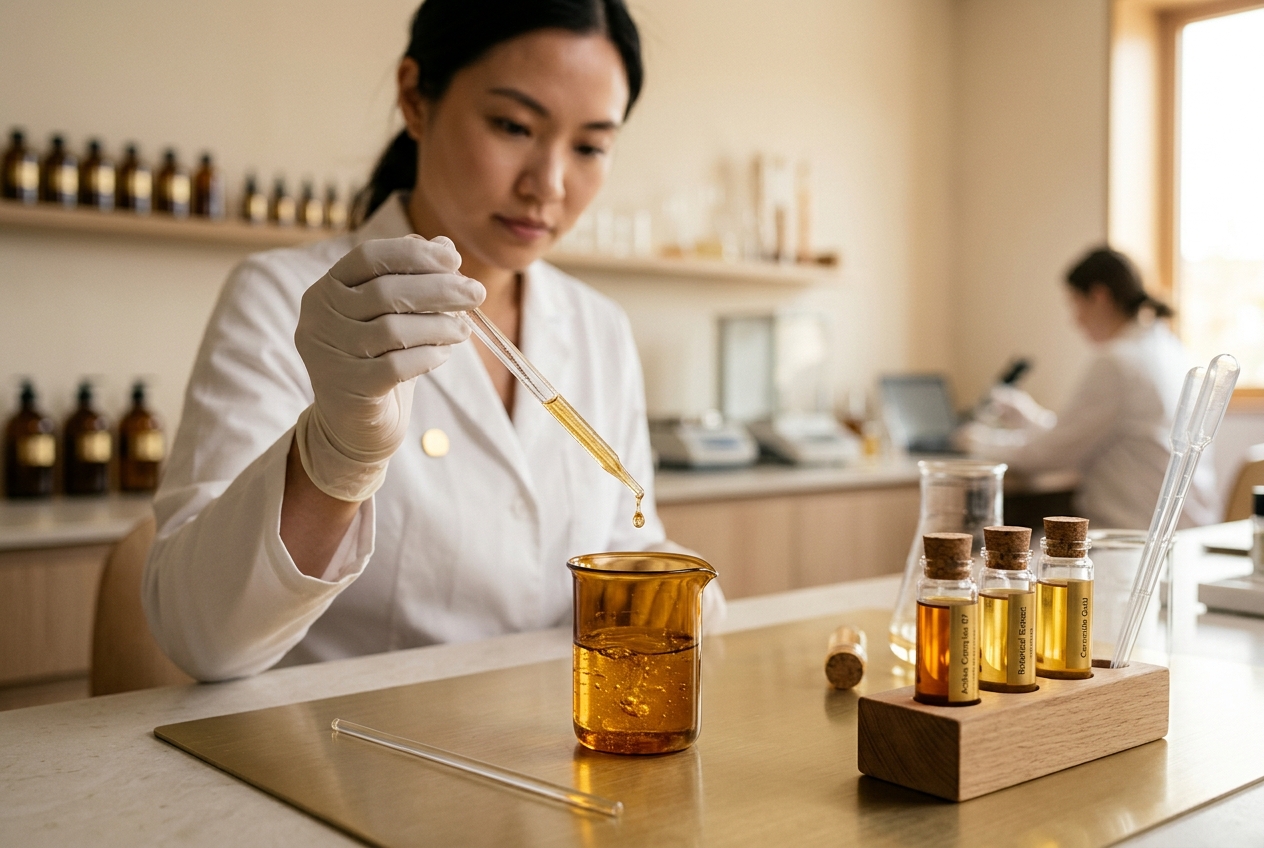
Creating effective neurocosmetic products presents unique challenges for formulators. Many neuroactive ingredients are sensitive molecules requiring careful stabilisation and delivery system design. Peptides, for instance, may require encapsulation technologies to ensure adequate penetration and protection from degradation. Similarly, maintaining the sensorial elegance expected in luxury products whilst incorporating these sophisticated actives demands considerable technical expertise.
Quality manufacturing standards become paramount when working with such complex formulations. GMP and ISO 22716 certification ensures that these intricate products are manufactured with the consistency and safety that prestige consumers expect. Brands exploring this category will find that partnering with experienced specialists offers significant advantages in navigating these formulation complexities.
The Future Landscape of Neurocosmetics
The neurocosmetics category continues to evolve rapidly, with emerging research exploring personalisation based on individual stress responses and sensory preferences. Wearable technology may eventually enable real-time monitoring of stress biomarkers, allowing for tailored product recommendations. Meanwhile, advances in delivery systems promise enhanced ingredient efficacy, whilst sustainable sourcing of botanical neuroactives addresses growing environmental concerns.
For brands seeking to establish authority in this space, transparency regarding ingredient selection, mechanism of action and clinical substantiation will prove essential. The sophisticated prestige consumer demands more than marketing claims—they seek genuine innovation grounded in credible science. Our Wellmax & Maxwell collections exemplify this commitment to evidence-based neurocosmetic formulation combined with luxurious sensorial experiences.
Are you ready to explore neurocosmetic innovation for your prestige beauty brand? Our team combines advanced formulation expertise with comprehensive regulatory knowledge to bring sophisticated neurocosmetic concepts to market. Contact us today to discuss how we can help you develop products that genuinely address the skin-brain connection whilst delivering the sensorial luxury your discerning customers expect.