The convergence of microbiome science and ultra-premium skincare represents one of the most significant paradigm shifts in contemporary cosmetic formulation. As our understanding of the skin's microbial ecosystem deepens, luxury beauty brands are moving beyond traditional preservation systems towards formulations that actively support the skin's natural bacterial balance, delivering results that resonate with increasingly sophisticated consumers.
Understanding the Skin Microbiome in Luxury Formulation
The human skin hosts approximately one million bacteria per square centimetre, comprising over 1,000 distinct species that form a complex, symbiotic ecosystem. This microbiome serves as the skin's first line of defence, regulating inflammation, maintaining barrier function, and protecting against pathogenic colonisation. In ultra-premium skincare, formulation strategies now prioritise the preservation and enhancement of this delicate microbial community rather than its indiscriminate disruption.
Traditional cosmetic formulations often employed broad-spectrum preservatives and surfactants that, whilst ensuring product safety and stability, inadvertently compromised the skin's microbial diversity. The new generation of microbiome-friendly formulations distinguishes between beneficial commensals and potentially harmful organisms, employing selective preservation systems and pH-optimised matrices that support cutaneous homeostasis.
Prebiotic, Probiotic and Postbiotic Actives
Ultra-luxury skincare has embraced three distinct categories of microbiome-modulating ingredients, each offering unique benefits for discerning consumers seeking scientifically substantiated efficacy.
Prebiotic Ingredients
Prebiotics serve as nutritional substrates that selectively stimulate the growth and activity of beneficial skin bacteria. Premium formulations now incorporate sophisticated prebiotic complexes including:
- Alpha-glucan oligosaccharides derived from natural sugars that nourish Staphylococcus epidermidis whilst inhibiting pathogenic species
- Inulin and fructooligosaccharides that support microbial diversity and strengthen barrier function
- Rhamnose-rich botanical extracts that promote the proliferation of skin-protective bacteria
- Marine-derived polysaccharides offering dual prebiotic and hydrating benefits
Probiotic Lysates and Ferments
Live bacteria remain unsuitable for most cosmetic formulations due to stability and regulatory constraints. However, ultra-premium brands utilise probiotic lysates—the beneficial compounds released when probiotic bacteria are carefully broken down. Lactobacillus and Bifidobacterium ferments deliver antimicrobial peptides, organic acids, and signalling molecules that communicate with skin cells to reduce inflammation and enhance barrier integrity.
Postbiotic Technology
Postbiotics represent the metabolic byproducts of probiotic fermentation, including short-chain fatty acids, enzymes, and peptides. These stable, precisely characterised compounds offer reproducible benefits without the formulation challenges associated with live cultures. In prestige skincare, postbiotic actives derived from traditional fermentation processes—such as sake kasu, kombucha, and specialised bacterial ferments—command premium positioning due to their heritage narratives and demonstrated efficacy.
Formulation Challenges in Microbiome-Friendly Luxury Skincare
Creating microbiome-compatible formulations for the ultra-premium segment presents distinct technical challenges that require sophisticated contract manufacturing capabilities and deep formulation expertise.
Preservation systems must maintain microbiological safety whilst avoiding broad-spectrum antimicrobial agents that disrupt the skin microbiome. This necessitates multifunctional preservation strategies combining chelating agents, pH modulation, water activity control, and targeted antimicrobials such as fermented radish root filtrate or silver-based technologies. Each preservation system must undergo rigorous challenge testing to ensure compliance with ISO 22716 standards whilst demonstrating microbiome compatibility.
Surfactant selection becomes critical, as traditional sulphates and aggressive cleansing agents strip the skin's natural lipids and disrupt microbial balance. Ultra-premium formulations favour gentle amino acid-based surfactants, alkyl polyglucosides, and mild betaines that cleanse effectively whilst preserving the acid mantle and microbiome integrity.
pH optimisation represents another crucial parameter. The skin's natural pH of 4.5 to 5.5 supports beneficial bacteria whilst inhibiting pathogens. Luxury microbiome-friendly formulations maintain this physiological pH range through sophisticated buffering systems, avoiding the alkaline pH values common in conventional cosmetics.
Substantiation and Clinical Validation
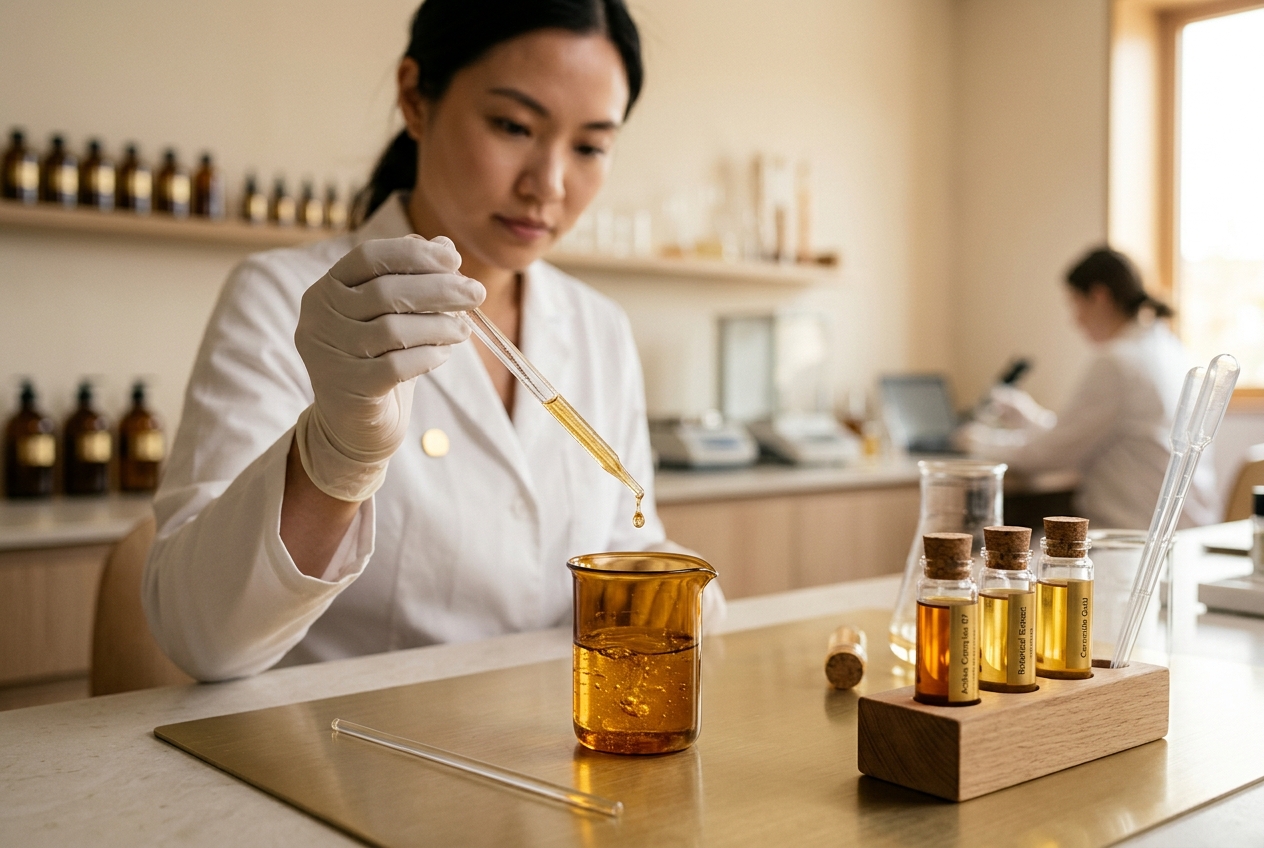
Ultra-premium consumers expect robust scientific validation of microbiome claims. Advanced analytical techniques now enable brands to substantiate microbiome benefits through:
- 16S rRNA gene sequencing to map microbial diversity and abundance before and after product application
- Metagenomic analysis identifying specific bacterial species and their functional capabilities
- Measurement of microbial metabolites including short-chain fatty acids and antimicrobial peptides
- Barrier function assessment through transepidermal water loss measurements
- Clinical evaluation of inflammation markers and skin homeostasis indicators
Leading luxury brands invest significantly in these sophisticated testing protocols, recognising that substantiated microbiome claims differentiate premium offerings in an increasingly crowded marketplace.
The Ultra-Luxury Microbiome Consumer
The target demographic for microbiome-optimised prestige skincare demonstrates distinct characteristics. These consumers possess advanced skincare literacy, actively researching ingredient science and seeking formulations supported by clinical evidence. They typically reject aggressive treatments that compromise skin health in favour of products supporting long-term barrier function and resilience.
This audience values transparency regarding preservation systems, manufacturing standards, and ingredient sourcing. They appreciate heritage fermentation techniques whilst demanding contemporary scientific validation. Brands including Wellmax & Maxwell address these expectations through formulations that balance traditional botanical wisdom with cutting-edge microbiome science.
Future Directions in Microbiome Skincare
The trajectory of microbiome-friendly formulation continues towards increasing personalisation and precision. Emerging technologies include artificial intelligence-guided formulation based on individual microbiome profiles, encapsulation systems that deliver targeted prebiotics to specific skin bacteria, and real-time microbiome monitoring through connected devices.
Sustainability considerations increasingly intersect with microbiome science, as brands recognise that biodegradable, naturally derived ingredients often demonstrate superior microbiome compatibility compared to synthetic alternatives. This alignment of environmental responsibility with skin health creates compelling narratives for conscious luxury consumers.
The integration of microbiome science into ultra-premium skincare represents far more than a passing trend—it constitutes a fundamental evolution in how we understand and support skin health. For brands seeking to establish authority in the prestige beauty sector, investment in microbiome-friendly formulation capabilities and substantiated efficacy claims has become essential. As consumer education advances and analytical technologies become more accessible, microbiome compatibility will transition from a differentiation point to a baseline expectation in luxury skincare.