The ultra-luxury cosmetics sector is experiencing a fundamental shift from mass prestige to true individualisation. Hyper-personalisation—the practice of creating bespoke formulations tailored to individual skin profiles, lifestyles, and preferences—has emerged as the defining trend amongst discerning consumers who demand products as unique as their own biological fingerprint.
This evolution represents far more than simply adding a customer's name to packaging. Today's hyper-personalised cosmetics leverage advanced diagnostic technologies, ingredient customisation, and made-to-order production models that fundamentally challenge traditional beauty manufacturing paradigms.
The Science Behind Hyper-Personalisation
Modern personalised cosmetics rest upon sophisticated diagnostic methodologies that assess individual skin characteristics with unprecedented precision. Advanced imaging technologies can now measure hydration levels, sebum production, pigmentation patterns, and even microbial diversity across the skin's surface. These objective measurements replace the subjective assessments that dominated beauty consultations for decades.
Genetic testing has introduced another dimension to personalisation. Whilst controversial in some markets, nutrigenomic and dermatogenomic analyses can identify predispositions to collagen degradation, antioxidant deficiencies, and inflammatory responses. This information enables formulators to select actives that address underlying biological tendencies rather than merely treating surface symptoms.
Environmental factors are equally crucial. Urban consumers face pollution-related oxidative stress, whilst those in dry climates require different barrier support than individuals in humid regions. Hyper-personalised formulations account for these contextual variables, creating products that respond to the customer's specific exposome.
Made-to-Order Manufacturing: From Concept to Reality
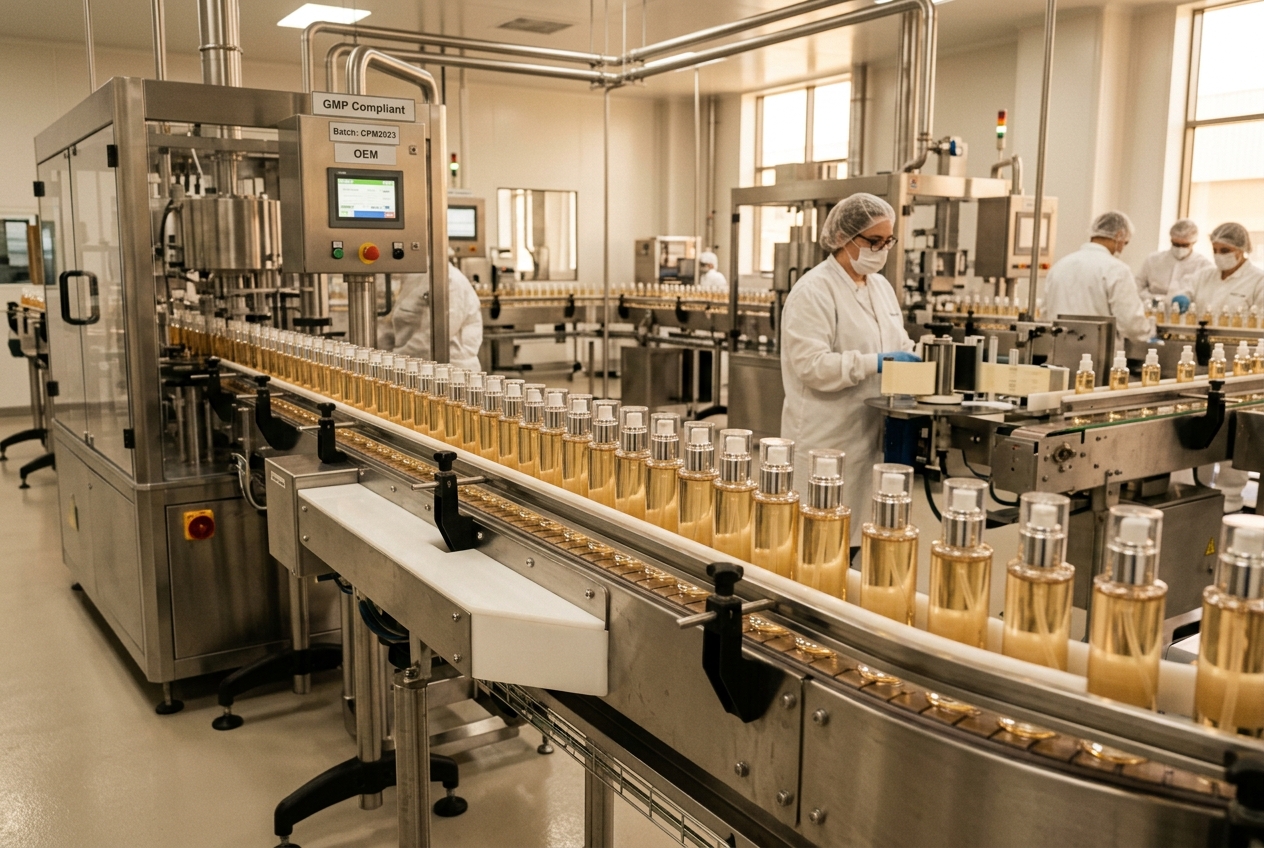
The infrastructure supporting made-to-order luxury cosmetics differs markedly from traditional batch production. Agile manufacturing systems, often incorporating modular formulation platforms, allow contract manufacturing partners to produce small batches—sometimes single units—economically.
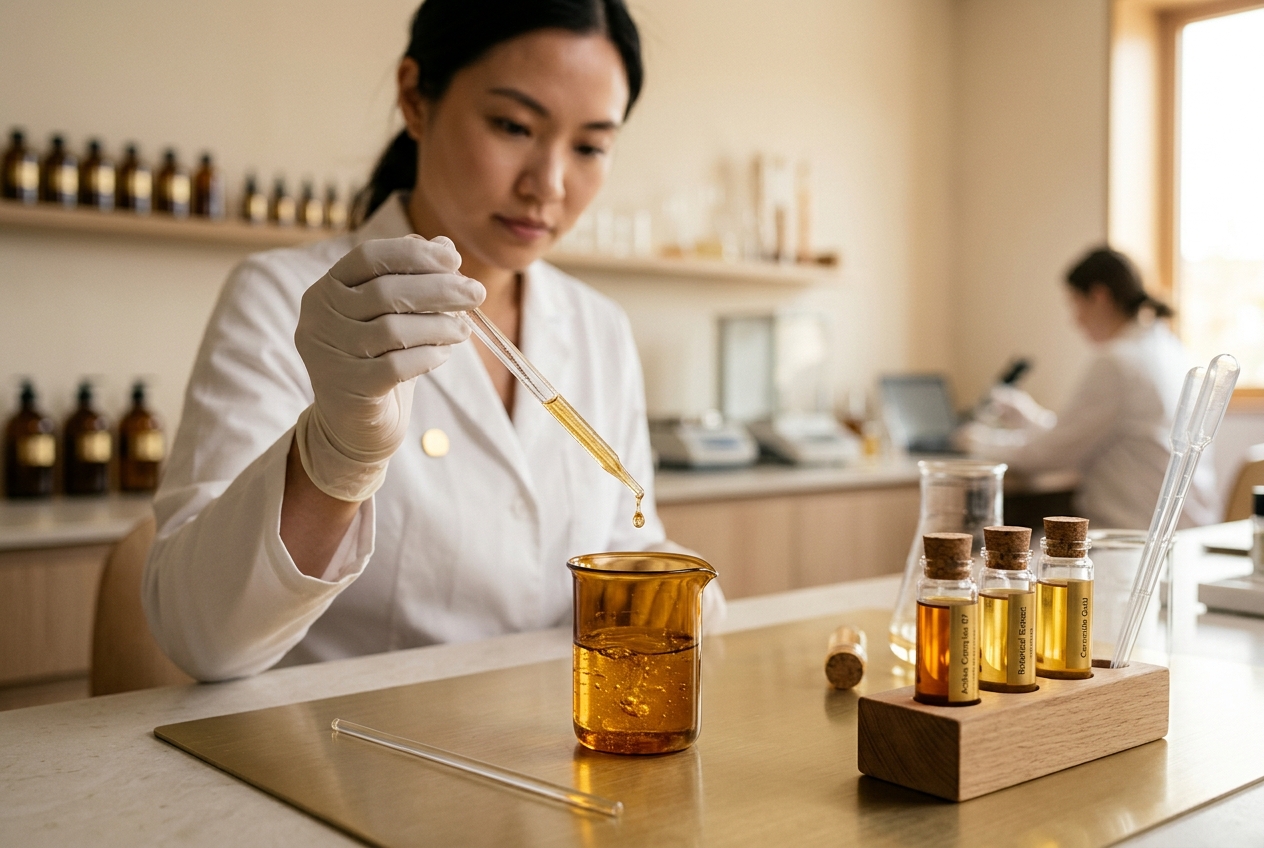
These systems typically employ a base formulation matrix into which specific actives, texturizers, and sensorial modifiers are incorporated according to individual prescriptions. The challenge lies in maintaining stability, efficacy, and safety across thousands of potential combinations whilst ensuring each product meets stringent regulatory requirements including Good Manufacturing Practice standards.
Quality control becomes exponentially more complex in personalised production. Every batch—potentially every unit—requires documentation and testing equivalent to a traditional production run. Advanced digital systems track ingredients, processes, and quality checkpoints, creating comprehensive records for each bespoke product.
The Prestige Consumer Perspective
Ultra-luxury consumers increasingly perceive personalisation as intrinsic value rather than marketing embellishment. Research conducted by prestige beauty retailers indicates that high-net-worth individuals view bespoke formulations as investments in long-term skin health, comparable to tailored nutrition or precision medicine.
The consultation process itself has become part of the luxury experience. Leading brands have established private studios where clients undergo comprehensive skin analyses, discuss lifestyle factors, and collaborate with expert formulators. This consultative approach transforms product purchase into a relationship, fostering loyalty that transcends transactional interactions.
Packaging for made-to-order cosmetics often reflects the bespoke nature of the contents. Limited-edition vessels, personalised engravings, and custom colour selections elevate the unboxing experience whilst communicating exclusivity. Some brands provide detailed documentation explaining the rationale behind each ingredient selection, educating consumers about their unique formulations.
Technological Enablers and Digital Integration
Artificial intelligence and machine learning have become indispensable tools in hyper-personalisation. Algorithms analyse vast datasets—encompassing skin measurements, genetic markers, lifestyle questionnaires, and even photographic evidence—to recommend optimal ingredient combinations. These systems continuously learn from outcomes, refining recommendations as more users provide feedback.
Augmented reality applications allow consumers to visualise potential results before committing to bespoke formulations. Whilst predictive accuracy varies, these tools manage expectations and enhance engagement with the personalisation process.
Digital platforms facilitate ongoing relationships between brands and consumers. Subscription models for personalised skincare often include regular check-ins, allowing formulations to evolve with changing seasons, life stages, or skin conditions. This dynamic approach acknowledges that optimal skincare is not static but responsive.
Regulatory and Quality Considerations
Personalised cosmetics operate within the same regulatory frameworks governing conventional products, yet present unique compliance challenges. Each formulation variant must demonstrate safety through appropriate testing or existing safety data for the ingredient combinations used. Documentation requirements multiply with the number of possible formulations.
Manufacturers must establish robust systems ensuring that personalised products meet the same safety and quality standards as mass-produced items. This includes stability testing protocols adapted for small batches, microbial testing, and preservation efficacy verification across formula variants.
Traceability becomes paramount. Should any safety concern arise, manufacturers must be able to identify precisely which customers received which formulation variants, necessitating sophisticated digital record-keeping systems integrated throughout the production process.
The Future Trajectory of Bespoke Beauty
Hyper-personalisation will likely extend beyond skincare into colour cosmetics, with foundations precisely matched not merely to skin tone but to undertone, coverage preferences, and finish desires. Fragrance personalisation already exists in niche markets and is poised for expansion as computational chemistry advances.
The integration of wearable technology offers intriguing possibilities. Devices monitoring skin hydration, UV exposure, or stress levels could trigger automatic adjustments to personalised formulations, creating truly responsive skincare systems.
Sustainability considerations will shape the evolution of made-to-order cosmetics. Producing only what is needed eliminates waste from unsold inventory, whilst refillable systems for personalised products could reduce packaging waste. However, the energy and resource implications of small-batch production require careful assessment.
Those interested in exploring personalised formulations can discover curated options at Wellmax & Maxwell, where quality and innovation converge.
The beauty industry stands at an inflection point where true personalisation transitions from aspirational concept to achievable reality. For brands, retailers, and manufacturers willing to invest in the necessary technology, expertise, and systems, hyper-personalisation offers a compelling path to differentiation in an increasingly crowded luxury market. The question is no longer whether personalised beauty will dominate the prestige sector, but how quickly the industry can scale these capabilities whilst maintaining the quality and exclusivity that define luxury cosmetics.