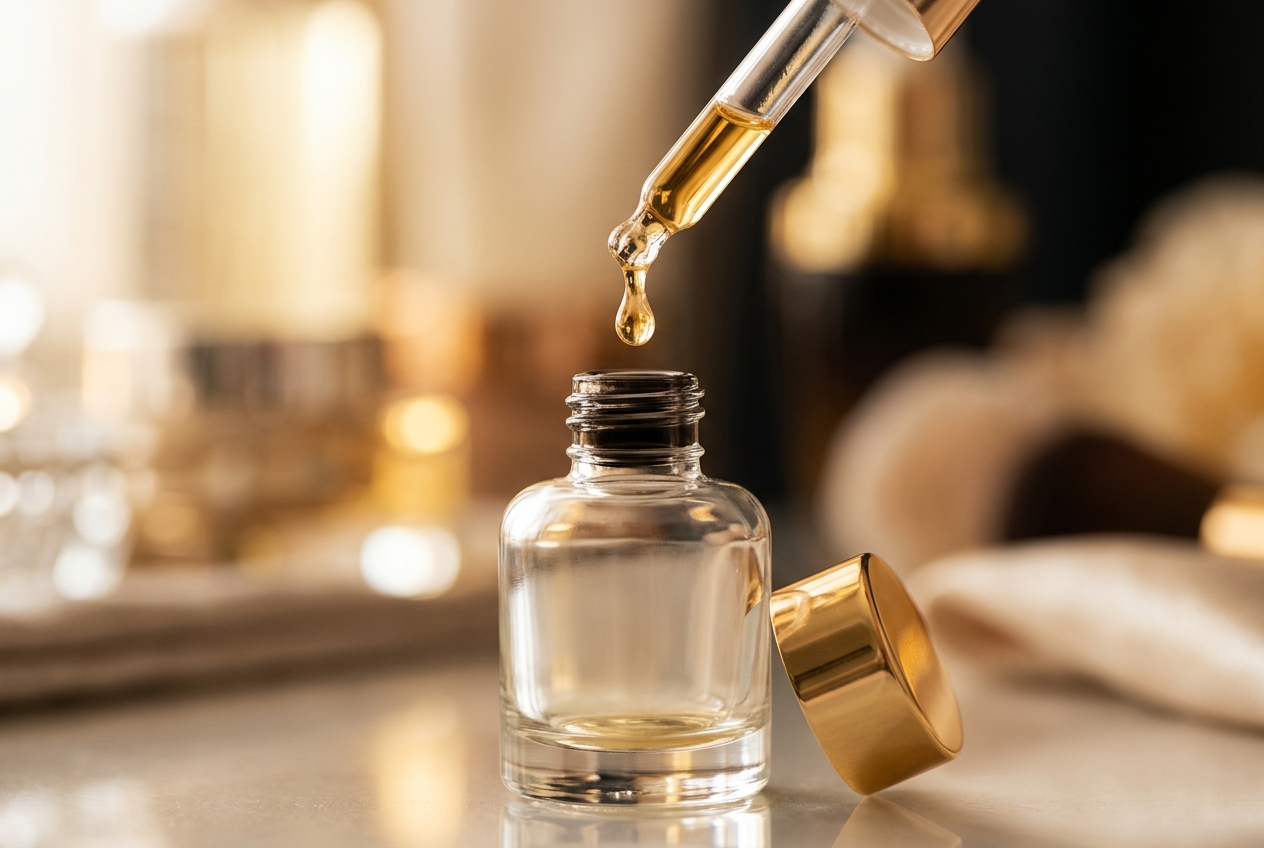
The fermentation revolution has fundamentally transformed the ultra-luxury skincare landscape, elevating ancient preservation techniques into sophisticated biotechnology platforms that deliver unprecedented efficacy. This convergence of traditional wisdom and cutting-edge science represents one of the most significant innovations in prestige cosmetic formulation, offering brands differentiated propositions in an increasingly competitive market.
Understanding Fermentation in Cosmetic Science
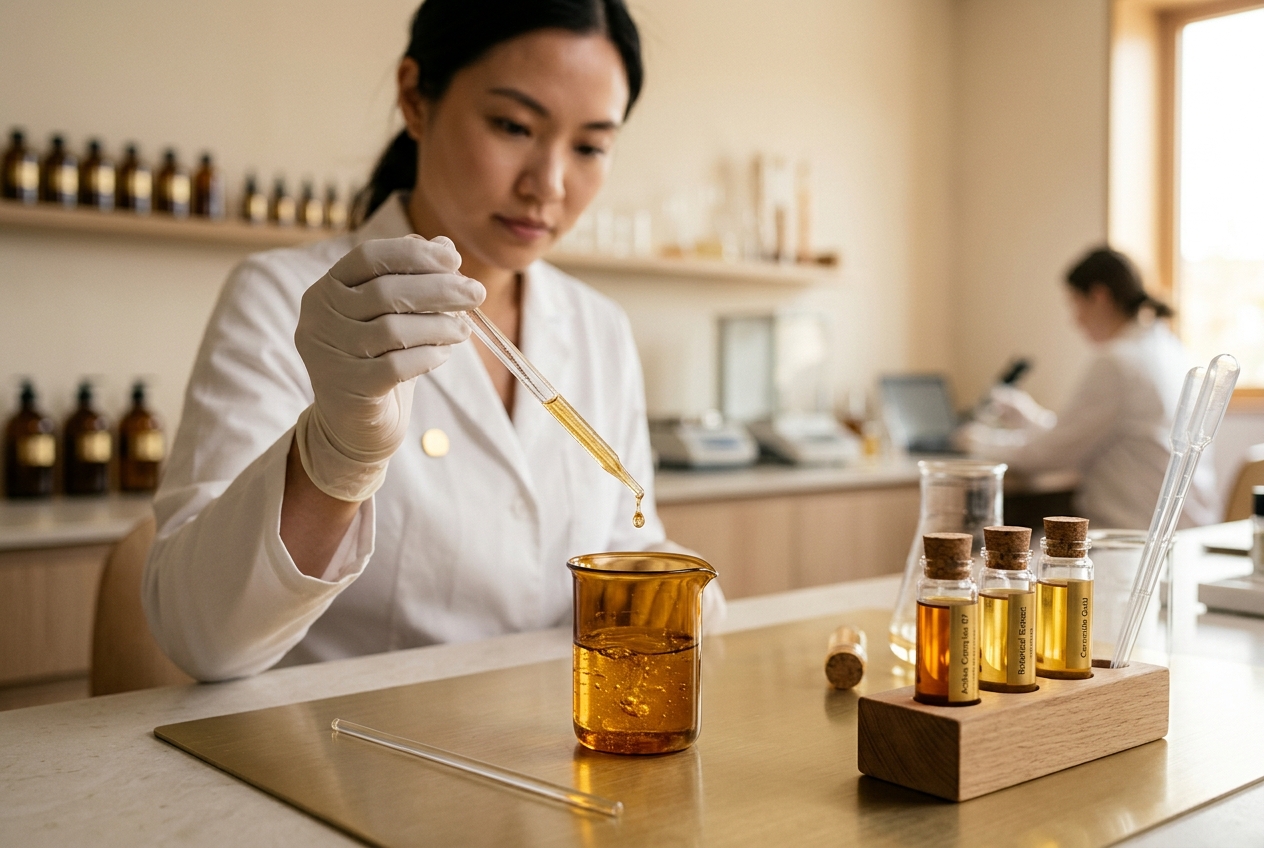
Fermentation in skincare involves the controlled metabolic conversion of raw ingredients through microorganisms such as bacteria, yeast, or fungi. This biotransformation process breaks down complex molecules into smaller, more bioavailable compounds whilst generating novel bioactive metabolites with enhanced skin benefits. The resulting fermented extracts demonstrate improved penetration profiles, increased stability, and often superior efficacy compared to their non-fermented counterparts.
The process typically employs specific microbial strains—Lactobacillus, Saccharomyces, and Bifida species being amongst the most prevalent—selected for their ability to produce particular metabolic end-products. Through carefully controlled parameters including temperature, pH, oxygen levels, and fermentation duration, formulators can precisely manipulate the biochemical composition of the final ingredient.
The Science Behind Enhanced Efficacy
Fermented ingredients demonstrate several scientifically validated advantages that justify their premium positioning in luxury formulations. The fermentation process reduces molecular size, transforming larger compounds into low-molecular-weight peptides, amino acids, and organic acids that penetrate the stratum corneum more effectively. This enhanced bioavailability translates directly into improved performance on skin.
Additionally, fermentation enriches ingredients with bioactive postbiotics—the metabolic by-products of microbial fermentation including enzymes, vitamins, antioxidants, and antimicrobial peptides. These compounds exhibit potent biological activity, supporting skin barrier function, modulating inflammation, and providing antioxidant protection. The fermentation of botanical extracts often increases their polyphenol content and antioxidant capacity substantially compared to conventional extraction methods.
Microbiome Compatibility
Perhaps most significantly for contemporary luxury skincare, fermented ingredients demonstrate excellent compatibility with the skin's microbiome. The presence of probiotics, prebiotics, and postbiotics supports a balanced microbial ecosystem on the skin's surface, which research increasingly links to healthy barrier function, reduced sensitivity, and improved overall skin condition. This microbiome-friendly approach aligns perfectly with the clean beauty movement's emphasis on working harmoniously with skin's natural biology rather than disrupting it.
Signature Fermented Ingredients in Prestige Formulations
Several fermented ingredients have established themselves as hallmarks of ultra-luxury skincare. Fermented rice water, popularised through Korean beauty innovations, contains enhanced levels of kojic acid, ferulic acid, and amino acids that brighten and nourish skin. Galactomyces ferment filtrate has become synonymous with premium Asian skincare, prized for its ability to improve skin texture, tone, and radiance through its rich concentration of vitamins, minerals, and amino acids.
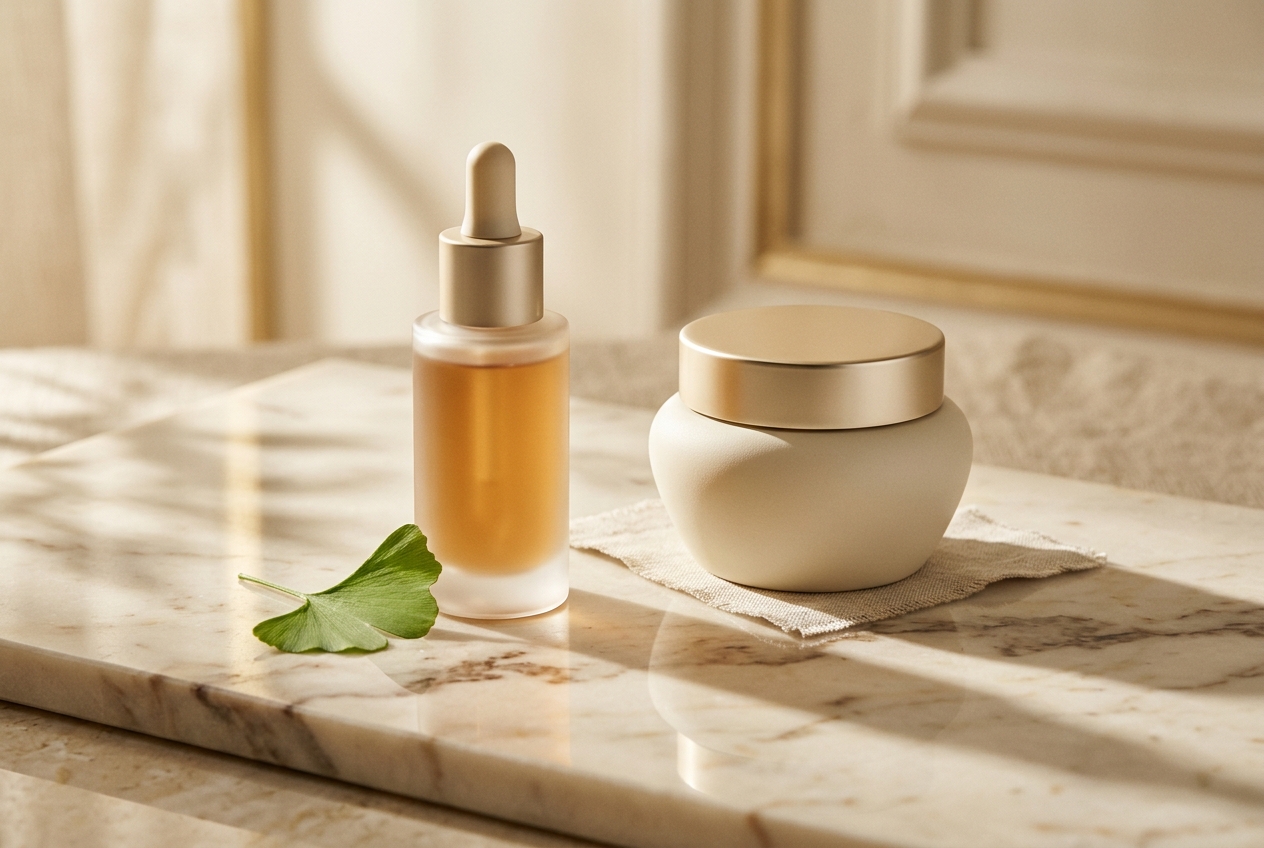
Bifida ferment lysate represents another prestigious ingredient, featured prominently in many iconic luxury serums. This postbiotic ingredient strengthens skin barrier integrity and demonstrates impressive soothing properties. Meanwhile, fermented plant oils—particularly fermented camellia, argan, and sea buckthorn oils—offer enhanced absorption and increased concentrations of skin-beneficial fatty acids compared to their cold-pressed equivalents.
Market Positioning and Consumer Perception
The fermentation narrative resonates powerfully with affluent consumers who increasingly seek products that balance efficacy with natural origins. The process allows brands to position formulations as both scientifically advanced and rooted in traditional practices, satisfying the contemporary luxury consumer's desire for authenticity alongside innovation. This dual appeal—simultaneously ancient and modern—creates compelling brand storytelling opportunities.
Korean and Japanese beauty brands initially drove fermentation's prestige positioning, but Western luxury houses have rapidly adopted these technologies. The fermentation process itself adds perceived value through its time-intensive nature and technical complexity, justifying premium price points whilst differentiating products in saturated categories.
Formulation Considerations for Prestige Products
Incorporating fermented ingredients into luxury skincare requires sophisticated technical expertise. Ferment filtrates must be carefully stabilised to maintain their bioactive profile throughout product shelf life, often necessitating specific preservation strategies and controlled storage conditions. The inherent variability of fermentation processes demands rigorous quality control protocols and batch-to-batch consistency verification.
For brands seeking to leverage fermentation's prestige appeal, partnering with experienced specialists in contract manufacturing who understand both the biotechnological and regulatory complexities proves essential. The formulation must balance the fermented ingredients' benefits with sensorial excellence, stability, and safety—non-negotiable requirements in the ultra-luxury segment.
Regulatory and Sustainability Dimensions
Fermented ingredients generally present favourable regulatory profiles, as fermentation often reduces allergenic potential whilst increasing ingredient purity. However, comprehensive safety assessments remain essential, particularly regarding microbial contamination risks and the characterisation of novel metabolites generated during fermentation.
From a sustainability perspective, fermentation offers significant advantages. The process can upcycle agricultural by-products, requires less energy than many extraction methods, and produces minimal waste. These credentials align fermentation technology with the environmental values increasingly important to luxury consumers.
The Future Trajectory
Biotechnology advances continue expanding fermentation's possibilities in prestige skincare. Precision fermentation—using genetically optimised microorganisms to produce specific compounds—promises even greater control over ingredient profiles. Customised fermentation processes may eventually enable hyper-personalised skincare formulations tailored to individual microbiome profiles.
As research deepens our understanding of the skin microbiome's role in skin health, fermented ingredients' importance in luxury formulations will likely intensify. Brands at Wellmax & Maxwell and throughout the prestige sector recognise fermentation not merely as a trend but as a fundamental shift in how we approach skin health.
Are you ready to incorporate cutting-edge fermented ingredients into your luxury skincare line? Our GMP-certified laboratories combine biotechnological expertise with formulation artistry to create prestige products that deliver genuine innovation. Contact our technical team today to explore how fermentation technology can elevate your brand's positioning in the ultra-luxury market.