The ultra-luxury skincare sector has witnessed a remarkable shift towards biotechnology-driven actives, with exosomes and polydeoxyribonucleotide (PDRN) emerging as the most coveted ingredients amongst discerning consumers and prestige brands. These sophisticated biomolecules represent a departure from conventional actives, offering mechanisms of action rooted in cellular communication and regenerative medicine rather than simple topical intervention.
Understanding Exosome Technology in Skincare
Exosomes are nanoscale extracellular vesicles, typically measuring 30-150 nanometres in diameter, that facilitate intercellular communication by transporting proteins, lipids, and genetic material between cells. In skincare applications, exosomes derived from plant stem cells or controlled biotechnological processes serve as sophisticated delivery systems and cellular messengers.
The appeal of exosomes in ultra-luxury formulations lies in their biomimetic nature. Unlike traditional actives that work on the skin's surface or penetrate through passive diffusion, exosomes engage with skin cells through natural biological pathways. They can influence cellular behaviour at a fundamental level, potentially affecting gene expression, protein synthesis, and cellular metabolism.
The Science Behind Exosomal Efficacy
Research into exosome technology has demonstrated their capacity to carry specific cargo tailored to skincare objectives. Plant-derived exosomes, particularly those from ginseng, rose, and other botanicals, contain microRNAs and growth factors that may support skin barrier function and cellular vitality. The luxury skincare market has embraced these actives precisely because they align with consumer demand for scientifically advanced, yet naturally derived ingredients.
Premium brands incorporating exosome technology often emphasise their role in supporting the skin's own regenerative processes rather than forcing cellular changes through synthetic intervention. This narrative resonates strongly with the ultra-luxury consumer who seeks both efficacy and a sophisticated understanding of ingredient science.
PDRN: From Aesthetic Medicine to Prestige Skincare
Polydeoxyribonucleotide has transitioned from clinical aesthetic applications into high-end topical formulations, bringing with it a reputation for regenerative properties. PDRN consists of DNA fragments, typically derived from salmon or trout sperm through controlled purification processes, with molecular weights optimised for skincare applications.
The mechanism through which PDRN operates centres on purinergic receptor activation, particularly the A2A receptor, which plays a crucial role in tissue repair and anti-inflammatory responses. By binding to these receptors, PDRN may promote fibroblast proliferation, enhance collagen synthesis, and support vascular endothelial growth factor production—all processes central to maintaining youthful skin architecture.
Clinical Heritage and Consumer Perception
PDRN's credibility in the luxury market stems partly from its established use in regenerative medicine and aesthetic procedures. Injectable PDRN treatments have been employed in clinical settings across Asia and Europe for tissue regeneration, wound healing, and skin rejuvenation. This medical pedigree translates into consumer confidence when the active appears in ultra-premium topical formulations.
Brands positioning PDRN-containing products often highlight molecular weight specifications, sourcing transparency, and purification standards—technical details that resonate with the educated luxury consumer. The typical concentration ranges from 1-5% in prestige formulations, though efficacy studies continue to refine optimal dosing for topical applications.
Formulation Challenges and Manufacturing Excellence
Incorporating exosomes and PDRN into stable, efficacious formulations presents significant technical challenges that separate luxury offerings from mass-market alternatives. Exosomes require careful handling to maintain vesicle integrity, whilst PDRN demands specific pH ranges and compatible co-actives to preserve bioactivity.
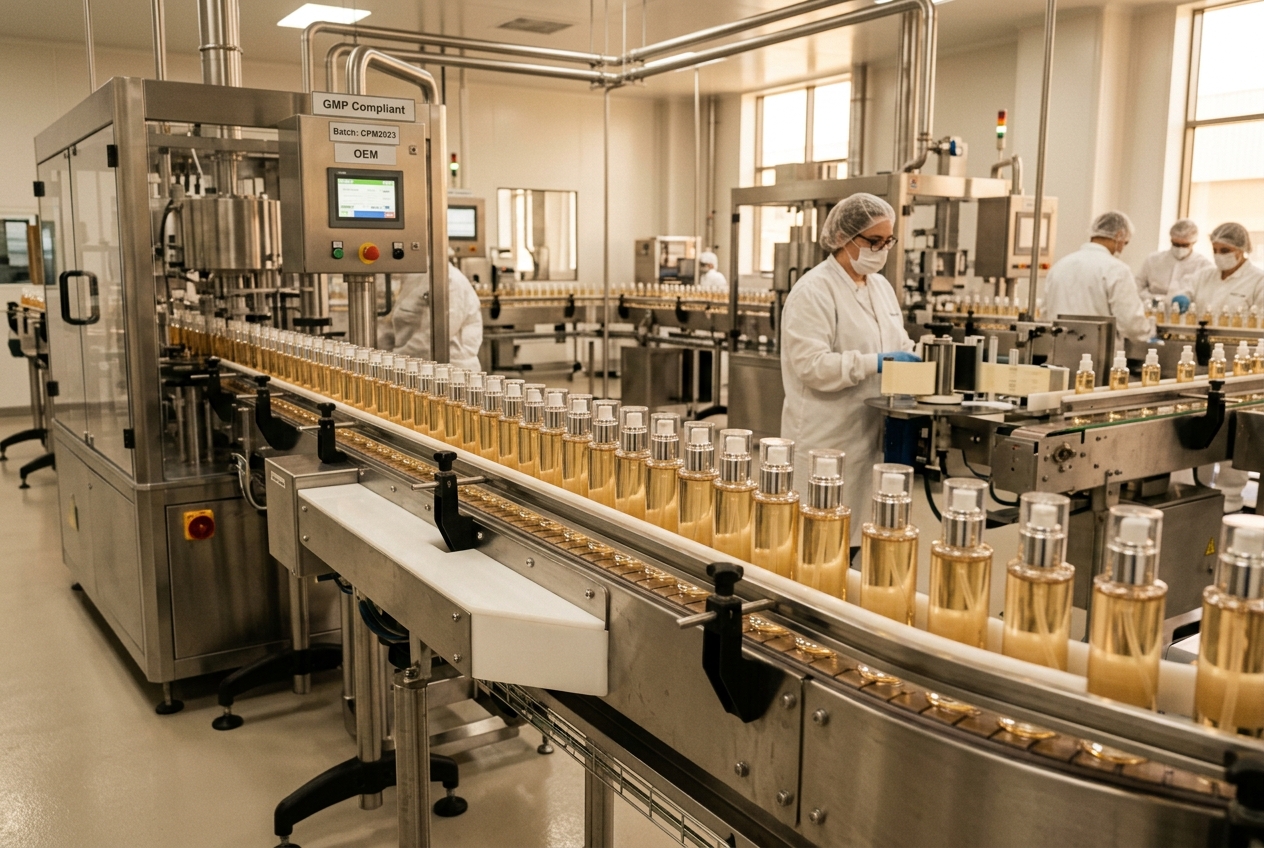
Sophisticated contract manufacturing capabilities are essential for brands entering this space, requiring cleanroom environments, validated stability testing protocols, and expertise in biotechnological actives. The formulation matrix itself must be designed to protect these sensitive ingredients from degradation whilst ensuring adequate penetration.
Preservation systems warrant particular attention, as traditional preservatives may interfere with exosome membranes or PDRN structure. Many ultra-luxury brands opt for airless packaging, nitrogen flushing, and multifunctional preservative blends that maintain both product safety and active integrity throughout the product lifecycle.
Market Positioning and Consumer Education
The successful launch of exosome and PDRN products in the ultra-luxury segment requires substantial consumer education. These actives lack the immediate sensorial impact of retinoids or acids, instead offering subtle, cumulative benefits that manifest over extended use periods. Brands must therefore craft compelling narratives around cellular health, longevity science, and preventative skincare philosophies.
Price positioning for these formulations typically exceeds £200 per 30ml, reflecting both ingredient costs and the technological sophistication required for effective delivery. This pricing strategy aligns with consumer expectations in the ultra-luxury tier, where exclusivity and innovation command premium valuations.
Leading prestige retailers and online destinations such as Wellmax & Maxwell are increasingly featuring these advanced actives, recognising their appeal to consumers who view skincare through a scientific lens and seek cutting-edge biotechnology.
Future Trajectories in Biotechnological Skincare
The trajectory for exosomes and PDRN suggests continued refinement rather than replacement. Ongoing research explores exosome customisation, where specific plant sources or biotechnological conditions yield vesicles with targeted cargo for particular skin concerns. PDRN research continues to investigate optimal molecular weights, alternative marine sources, and synergistic combinations with complementary actives.
Regulatory frameworks are evolving to address these novel ingredients, with increasing scrutiny on sourcing claims, manufacturing standards, and efficacy substantiation. Brands operating in this space must demonstrate not only innovation but also rigorous safety assessments and transparent communication regarding ingredient origins and processing methods.
The convergence of biotechnology and luxury skincare represents more than a trend—it signals a fundamental evolution in how premium brands approach skin health. Exosomes and PDRN exemplify this shift, offering mechanisms rooted in cellular biology rather than surface-level cosmetic intervention. For formulators, brands, and discerning consumers alike, these actives represent the future of intelligent, science-led skincare that respects the skin's innate complexity whilst delivering measurable results.
Are you ready to incorporate cutting-edge biotechnological actives into your luxury skincare range? Our formulation experts specialise in developing stable, efficacious products featuring exosomes, PDRN, and other advanced ingredients that meet the exacting standards of the prestige market. Contact us today to discuss how we can bring your vision for next-generation skincare to life.