The ultra-luxury skincare sector has witnessed a paradigm shift in formulation science, with encapsulation technology emerging as one of the most significant innovations in delivering superior efficacy and tangible results. This sophisticated approach to ingredient delivery has transformed how high-performance actives function within premium formulations, addressing long-standing challenges of stability, penetration and controlled release.
Understanding Encapsulation Technology in Cosmetics
Encapsulation technology involves enveloping active ingredients within protective carrier systems, typically measuring between 10 nanometres and several hundred micrometres in diameter. These microscopic vessels shield delicate compounds from degradation, improve their penetration through the stratum corneum, and facilitate controlled release over extended periods. The technique draws from pharmaceutical science, where time-release medications have been employed for decades to optimise therapeutic outcomes.
Within the prestige skincare arena, encapsulation systems utilise various materials including liposomes, niosomes, solid lipid nanoparticles, polymeric microspheres and cyclodextrins. Each carrier system possesses distinct characteristics that influence the encapsulated ingredient's behaviour, stability profile and delivery kinetics. The selection of an appropriate encapsulation method depends upon the active's molecular structure, stability requirements and the desired release profile.
The Science Behind Time-Release Delivery
Time-release mechanisms operate through several scientifically validated pathways. Diffusion-controlled systems release actives as they gradually permeate through the encapsulating membrane. Degradation-controlled systems rely on the progressive breakdown of the carrier material, whether through enzymatic action, pH changes or hydrolysis. Osmotic pressure systems respond to the skin's natural moisture content, whilst stimuli-responsive systems react to specific triggers such as temperature or pH variations.
This temporal control offers substantial advantages over conventional formulations. Rather than delivering a concentrated burst of active ingredients that may cause irritation or be metabolised before achieving optimal effect, encapsulated systems provide sustained release over hours or even days. This extended delivery window maintains therapeutic concentrations within the skin, maximising biological activity whilst minimising potential adverse reactions.
Applications in Ultra-Luxury Formulations
High-end skincare brands have embraced encapsulation technology to differentiate their offerings and justify premium positioning. Retinoids, notoriously unstable and potentially irritating compounds, benefit enormously from encapsulation. Protected from oxidative degradation and light exposure, encapsulated retinol maintains potency throughout a product's shelf life whilst delivering gradual release that significantly reduces the erythema and peeling associated with conventional retinoid formulations.
Vitamin C, another oxidation-prone active, achieves remarkable stability when encapsulated. L-ascorbic acid, the most biologically active form of vitamin C, typically degrades rapidly in aqueous environments. Encapsulation in lipid-based carriers or polymer matrices prevents this degradation, ensuring that the ingredient remains efficacious until it reaches viable skin layers. Peptides, growth factors and botanical extracts similarly benefit from protective encapsulation, maintaining their structural integrity and biological activity.
Advanced Systems for Targeted Delivery
Contemporary encapsulation technology extends beyond simple protection and time-release. Multi-layered systems enable sequential delivery of complementary actives, whilst targeted delivery systems incorporate ligands or antibodies that direct ingredients to specific cellular receptors. Some advanced formulations employ stimuli-responsive polymers that release their payload in response to the skin's unique microenvironment, adapting to individual physiological conditions.
Solid lipid nanoparticles represent a particularly sophisticated approach, offering occlusive properties that enhance hydration whilst simultaneously delivering encapsulated actives. These systems mimic the skin's natural lipid structure, facilitating enhanced penetration and sustained release. For manufacturers engaged in contract manufacturing, mastering these technologies requires substantial investment in specialised equipment, formulation expertise and quality control protocols.
Benefits for Prestige Consumers
Discerning consumers investing in ultra-luxury skincare expect tangible improvements in efficacy, tolerability and sensorial experience. Encapsulation technology addresses all three expectations. The controlled release mechanism reduces irritation potential, making powerful actives accessible to individuals with sensitive skin who might otherwise be unable to tolerate them. Enhanced stability ensures that products maintain their efficacy throughout their lifecycle, delivering consistent results from first use to last.
The improved penetration facilitated by nano-sized carriers means actives reach deeper skin layers where they exert maximum biological effect. This translates to more pronounced improvements in fine lines, hyperpigmentation, elasticity and overall skin quality. Additionally, encapsulation can mask unpleasant odours or tastes associated with certain bioactive compounds, enhancing the sensorial appeal of premium formulations.
Manufacturing Considerations and Quality Standards
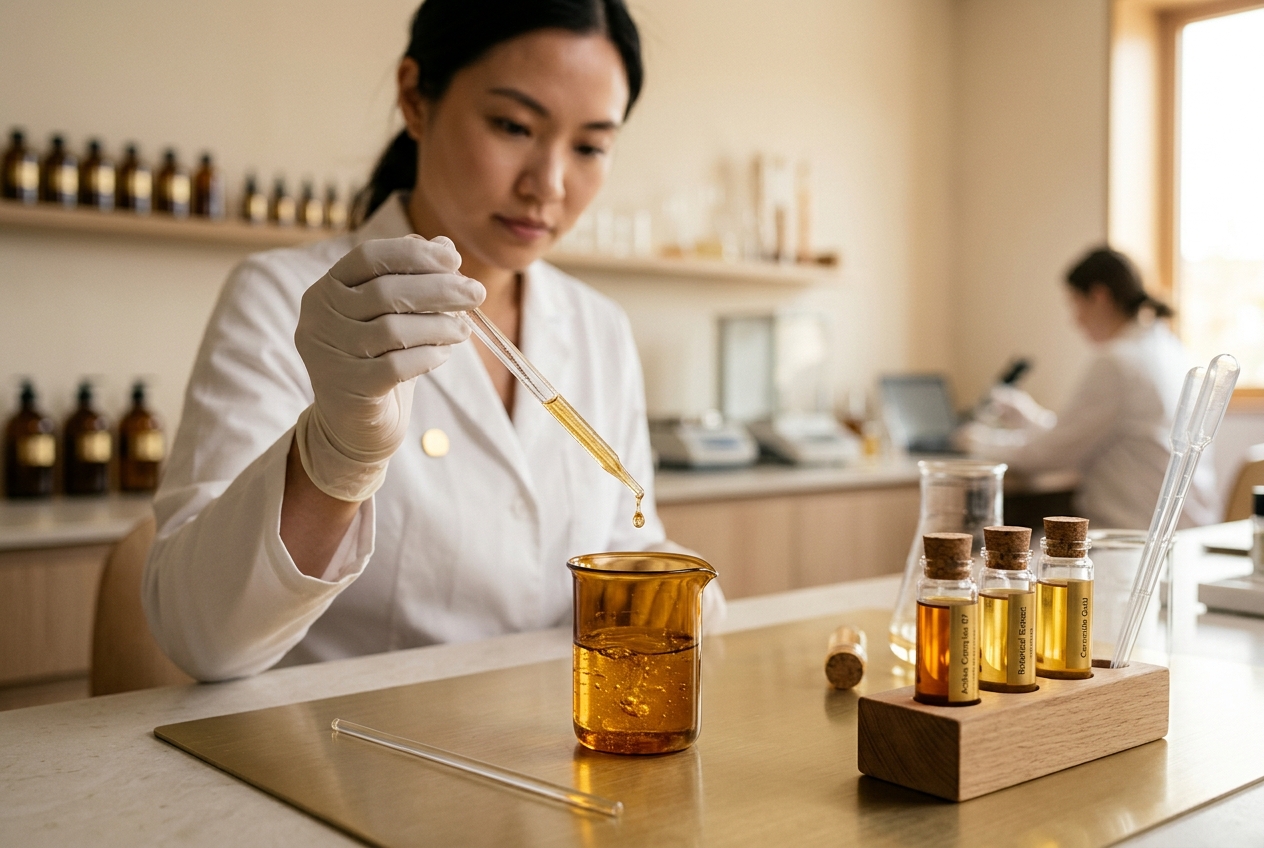
Producing encapsulated skincare formulations demands rigorous manufacturing protocols and sophisticated analytical capabilities. Particle size distribution, encapsulation efficiency, release kinetics and stability under various storage conditions must be meticulously characterised and controlled. GMP and ISO 22716 compliance becomes particularly critical when working with advanced delivery systems, as even minor variations in manufacturing parameters can significantly impact product performance.
The Wellmax & Maxwell ranges exemplify how encapsulation technology can be leveraged to create exceptional products that meet the exacting standards of luxury consumers. Quality control procedures must validate that encapsulated actives maintain their integrity throughout processing, filling and storage, whilst release profiles remain consistent across production batches.
The Future Landscape
Emerging developments in encapsulation technology promise even greater sophistication. Researchers are exploring biomimetic carriers that more closely replicate cellular structures, stimuli-responsive systems that adapt to circadian rhythms, and hybrid technologies combining multiple encapsulation approaches within single formulations. As analytical techniques advance and our understanding of skin biology deepens, encapsulation systems will become increasingly personalised and efficacious.
For brands operating in the ultra-luxury segment, encapsulation technology represents not merely a formulation technique but a fundamental competitive advantage. It enables the creation of products that deliver genuine, measurable benefits whilst maintaining the safety, stability and elegance that prestige consumers demand.
Are you ready to elevate your skincare formulations with cutting-edge encapsulation technology? Our team of formulation scientists possesses the expertise and infrastructure to develop bespoke time-release systems tailored to your brand's unique requirements. Contact us today to discuss how we can transform your vision into exceptional, market-leading products.