The resurgence of artisan cosmetics has brought renewed focus to cold-processing techniques, a formulation approach that preserves the integrity of heat-sensitive actives whilst delivering exceptional product efficacy. As ultra-luxury brands increasingly emphasise ingredient potency and authenticity, understanding the science behind cold-processing has become essential for both formulators and discerning consumers.
The Science Behind Cold-Processing
Cold-processing refers to formulation methods that maintain temperatures below 40°C throughout manufacturing, protecting thermolabile compounds from degradation. Many of today's most sought-after cosmetic actives—including retinol, vitamin C, certain peptides, and botanical enzymes—demonstrate significant stability challenges when exposed to elevated temperatures during conventional hot-processing methods.
Traditional emulsification techniques often require heating both oil and water phases to 70-80°C to achieve proper melting of waxes and emulsifiers. Whilst effective for creating stable emulsions, this thermal exposure can denature proteins, oxidise sensitive lipids, and reduce the biological activity of plant-derived compounds before the product even reaches the consumer.
Heat-Sensitive Actives Requiring Special Consideration
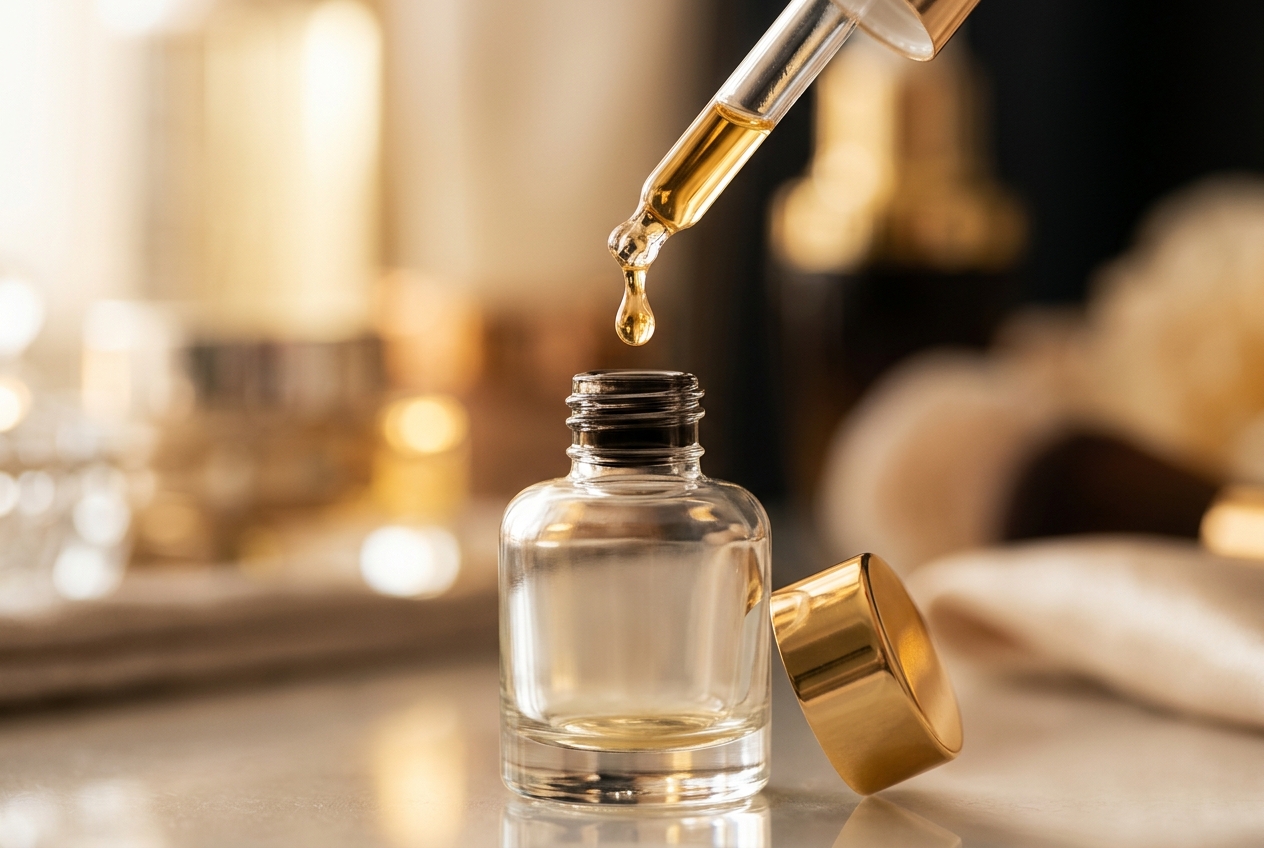
Several categories of premium actives benefit substantially from cold-processing approaches. Ascorbic acid and its derivatives remain notoriously unstable at elevated temperatures, with degradation rates increasing exponentially above 40°C. Similarly, retinol undergoes isomerisation and oxidation when subjected to heat, diminishing its efficacy in promoting cellular turnover.
Enzymatic actives such as bromelain, papain, and superoxide dismutase lose their catalytic activity through thermal denaturation. These proteins unfold irreversibly when heated, rendering them functionally inert despite remaining present in the formulation at their declared concentrations.
Botanical Extracts and Phytoactives
Fresh plant extracts contain complex mixtures of polyphenols, flavonoids, and volatile compounds that contribute to both efficacy and sensorial properties. Cold-processing preserves these delicate constituents, maintaining the authentic botanical profile that luxury consumers increasingly demand. Chamomile azulene, rose oxide, and the glucosinolates in cruciferous extracts exemplify compounds that survive intact only through careful temperature control.
Cold-Processing Techniques in Modern Formulation
Several methodologies enable cold-processing whilst maintaining product stability and elegance. Phase inversion temperature (PIT) emulsification exploits the temperature-dependent behaviour of non-ionic emulsifiers, allowing emulsion formation at lower temperatures than traditional methods. Self-emulsifying systems utilising carefully selected emulsifier blends can create stable formulations with minimal or no heating.
Advanced liquid crystal technology represents another innovation in cold-processing, where lamellar gel networks form spontaneously at room temperature, entrapping actives within biomimetic structures that enhance both stability and delivery. These sophisticated systems require precise understanding of surfactant behaviour and lipid phase architecture.
The Artisan Advantage
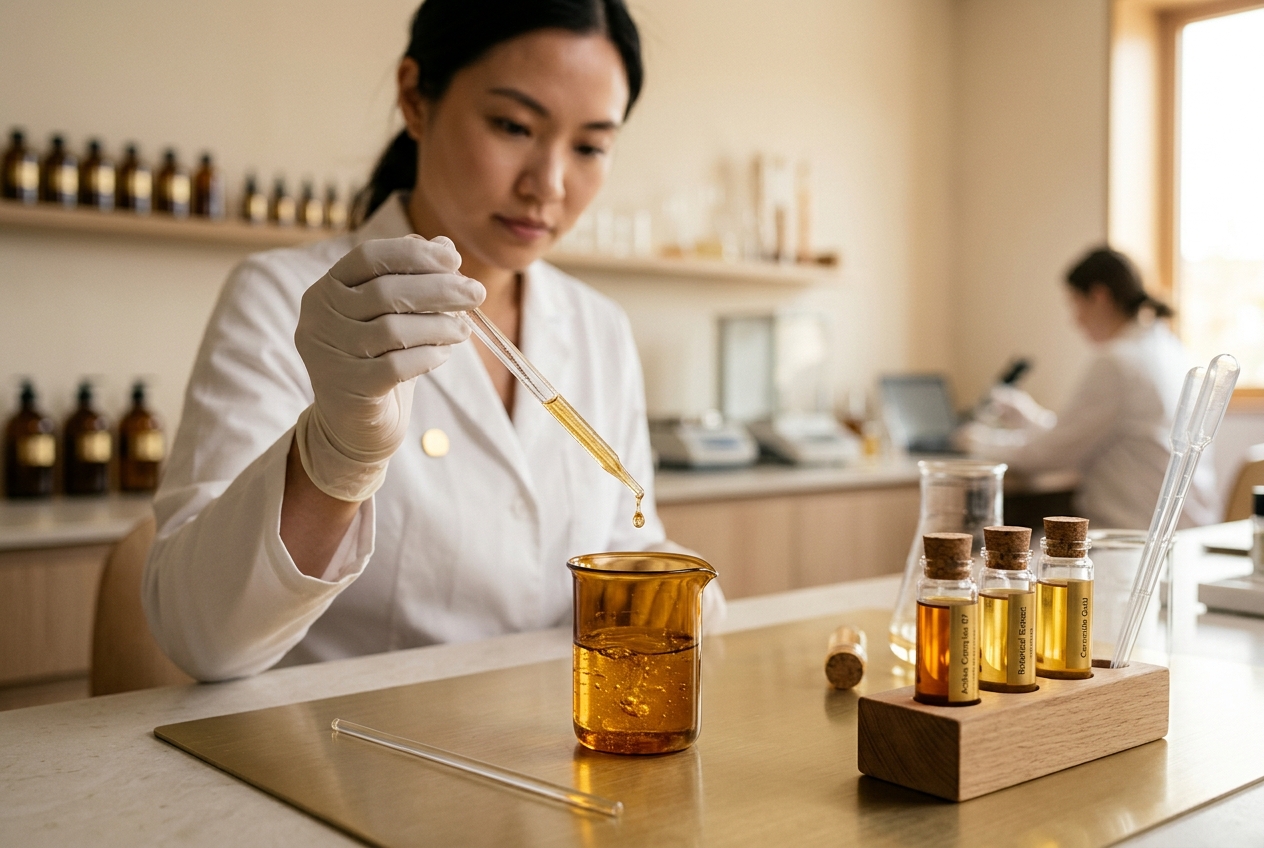
Small-batch production inherently suits cold-processing approaches. Artisan producers can dedicate attention to each formulation stage, monitoring temperatures meticulously and adjusting processing parameters in real-time. This contrasts with industrial-scale manufacturing where standardisation and efficiency sometimes necessitate thermal processing.
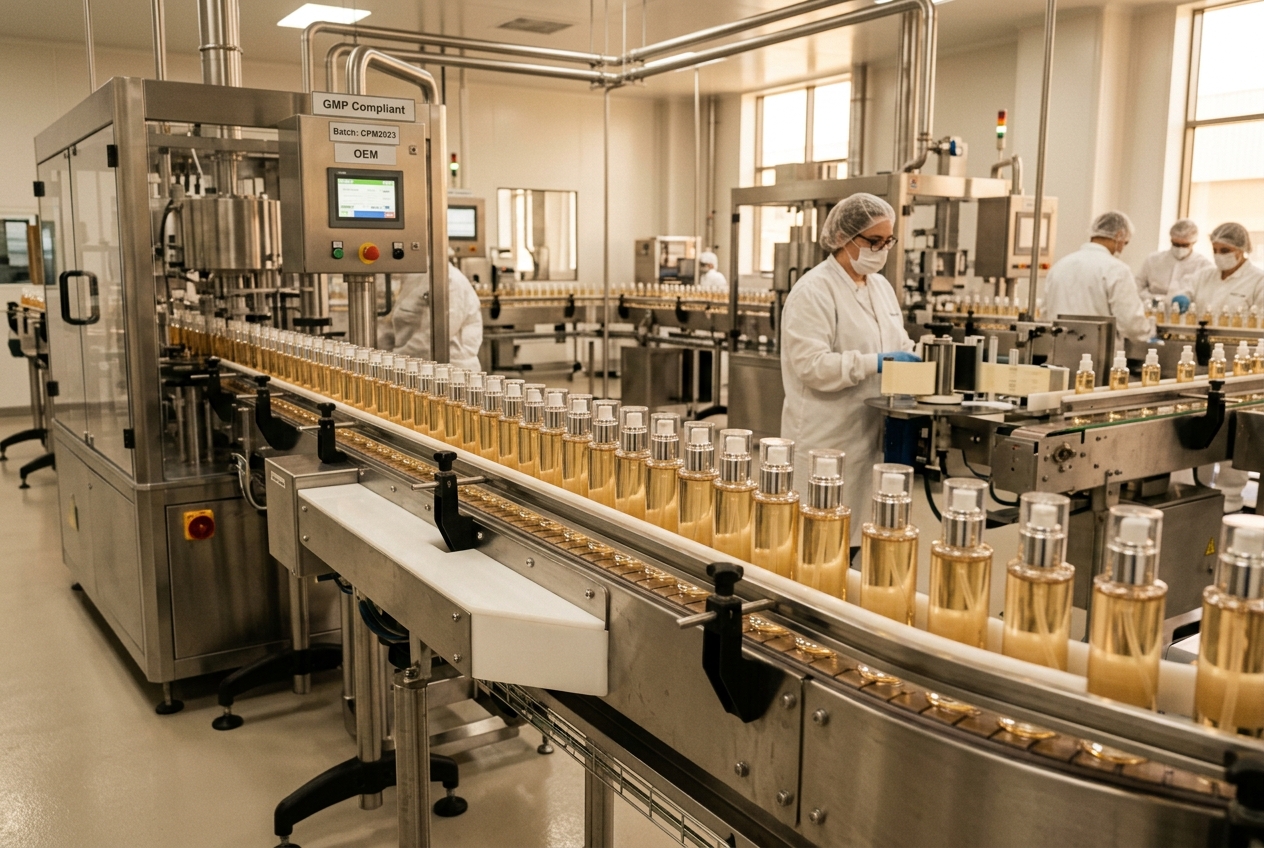
Working with experienced contract manufacturing partners who understand both artisan sensibilities and GMP requirements ensures that cold-processed formulations meet regulatory standards whilst preserving their craft credentials. The marriage of traditional techniques with modern quality systems creates products that satisfy both efficacy expectations and compliance obligations.
Formulation Challenges and Solutions
Cold-processing presents distinct technical challenges. Preservative efficacy may require additional validation, as some antimicrobial systems perform differently at lower processing temperatures. Texture optimisation demands greater formulation expertise, as the viscosity-building mechanisms available through heating become unavailable.
Solubility limitations require creative solutions. Many botanical actives and some synthetic compounds dissolve more readily in warm solvents. Cold-processing formulators employ co-solvents, solubilisers, and staged addition protocols to incorporate these materials without compromising temperature-sensitive ingredients already in the formula.
Stability Considerations
Paradoxically, cold-processed formulations sometimes demonstrate superior long-term stability precisely because heat-labile actives remain undegraded from the outset. However, microbial and physical stability require rigorous challenge testing. Emulsion stability may necessitate higher emulsifier concentrations or specialised stabilising polymers to compensate for the absence of heat-induced structure formation.
Market Positioning and Consumer Communication
Ultra-luxury consumers increasingly understand and value cold-processing claims. Transparent communication about manufacturing methods reinforces brand authenticity and justifies premium positioning. However, such claims must be substantiated through proper documentation and should never imply that conventionally processed products are inherently inferior—different actives suit different processing approaches.
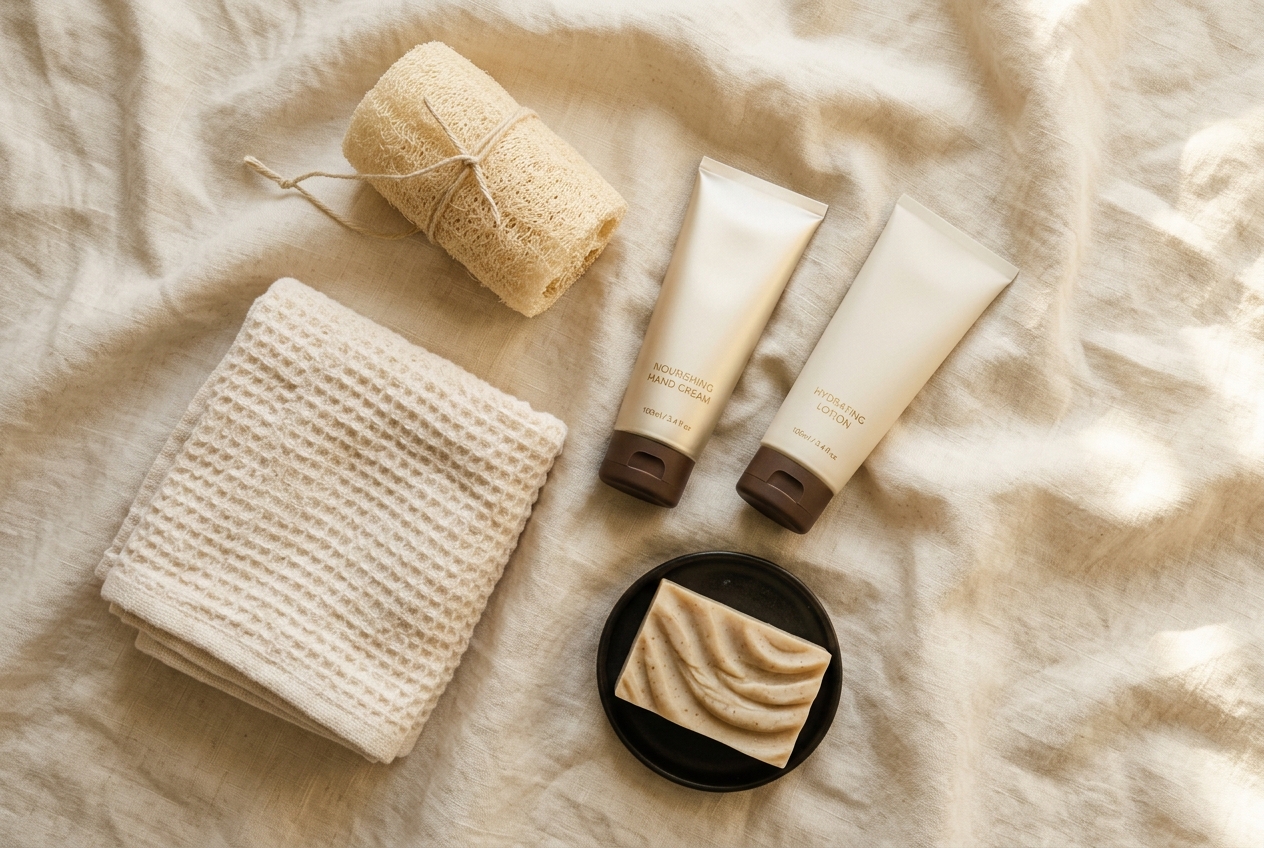
Brands like those in our Wellmax & Maxwell range demonstrate how cold-processing can be positioned within a broader narrative of craftsmanship, ingredient respect, and formulation intelligence. This messaging resonates particularly strongly with consumers seeking alternatives to mass-market offerings.
The Future of Cold-Processing
Emerging technologies continue expanding cold-processing possibilities. High-pressure homogenisation, ultrasonic emulsification, and membrane emulsification all offer routes to stable formulations without thermal stress. As these technologies become more accessible to smaller producers, the distinction between artisan and industrial production methods may increasingly centre on processing temperature philosophy rather than batch size alone.
The integration of biotechnology-derived actives—many of which demonstrate exceptional heat sensitivity—will further drive adoption of cold-processing techniques across the prestige sector. Formulators who master these approaches position themselves advantageously as ingredient innovation continues accelerating.
Are you developing an artisan skincare line that demands cold-processing expertise? Our formulation team specialises in preserving active integrity whilst ensuring regulatory compliance and commercial stability. Contact us to discuss how we can bring your vision to life with techniques that honour both ingredient provenance and scientific rigour.