The ultra-luxury cosmetics sector is witnessing a renaissance of artisan manufacturing techniques, with cold-processing emerging as the gold standard for preserving the integrity of heat-sensitive botanical actives and bioactive compounds. As discerning consumers increasingly scrutinise ingredient efficacy and manufacturing processes, understanding the science behind temperature-controlled formulation has become paramount for brands positioning themselves in the prestige market.
The Science of Heat Degradation in Cosmetic Actives
Heat-sensitive actives—including vitamin C derivatives, retinol, certain peptides, enzymes, and many botanical extracts—begin to degrade at temperatures as low as 40°C. Traditional hot-process emulsification typically requires heating phases to 70-80°C to ensure proper microbial safety and emulsion stability. This thermal exposure can compromise the molecular structure of delicate actives, reducing their bioavailability and therapeutic potential before the product even reaches the consumer.
Ascorbic acid, for instance, demonstrates significant oxidative degradation when exposed to elevated temperatures during manufacturing. Similarly, proteolytic enzymes such as papain and bromelain lose their catalytic activity when subjected to heat, rendering them substantially less effective in exfoliation and skin renewal applications. For brands committed to delivering genuine efficacy, cold-processing is not merely a marketing proposition—it is a formulation imperative.
Cold-Processing Methodologies in Artisan Production
Cold-processing encompasses several sophisticated techniques that maintain product temperatures below critical degradation thresholds. The most prevalent approach involves room-temperature emulsification using high-shear mixers or rotor-stator homogenisers, which create stable emulsions through mechanical energy rather than thermal input. This method is particularly suitable for contract manufacturing partners who maintain climate-controlled production environments.
Advanced cold-processing may incorporate phase inversion temperature (PIT) emulsification, where formulators exploit the natural surfactant behaviour at specific temperatures well below traditional processing thresholds. This technique produces remarkably fine, stable emulsions with minimal energy input and no heat-induced degradation of sensitive compounds.
Anhydrous and Water-Free Formulations
The artisan cosmetics movement has embraced anhydrous formulations—balms, oils, and butter-based products—which circumvent emulsification entirely. These water-free systems allow heat-sensitive oils rich in essential fatty acids, such as rosehip, sea buckthorn, and evening primrose, to retain their complete phytochemical profiles. The absence of water also eliminates the primary medium for microbial growth, often reducing or eliminating the need for conventional preservatives.
Preservation Challenges in Cold-Processed Products
The elimination of thermal pasteurisation in cold-processing necessitates alternative preservation strategies. Formulators must implement multi-hurdle preservation approaches combining low water activity, pH modification, and carefully selected antimicrobial systems. Natural preservative blends based on organic acids, fermented ingredients, and plant-derived antimicrobials have gained prominence in the artisan sector, though these require meticulous challenge testing to ensure adequate broad-spectrum efficacy.
GMP and ISO 22716 compliance remains non-negotiable, regardless of processing temperature. Manufacturers must validate that cold-processed products meet identical microbiological standards to their heat-processed counterparts through rigorous preservative efficacy testing and stability studies under accelerated and real-time conditions.
The Artisan Advantage: Batch Integrity and Traceability
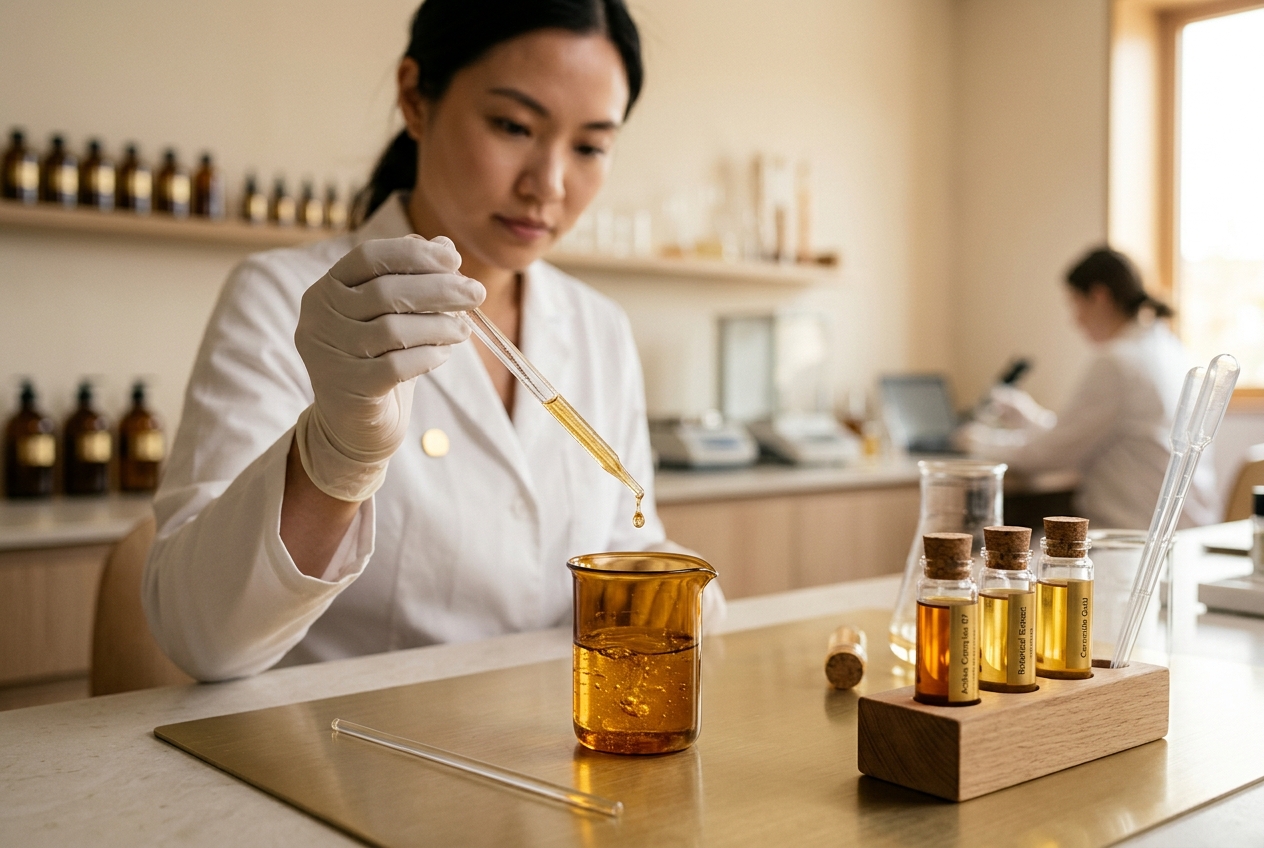
Small-batch artisan production offers inherent advantages for cold-processing. Limited production runs enable precise temperature monitoring, immediate quality assessment, and enhanced traceability of raw materials. This granular control allows formulators to work with supremely fresh, minimally processed botanical extracts and bioactives that would prove impractical in large-scale industrial production.
The artisan approach also facilitates the incorporation of unstable or short-lived actives that require immediate formulation post-extraction. Fresh plant cells, live probiotic cultures, and freshly pressed oils can be integrated into small batches with minimal time elapsed from harvest to finished product, maximising their therapeutic potential.
Consumer Perception and Market Positioning
Today's ultra-luxury consumer possesses unprecedented skincare literacy. They understand that product efficacy extends beyond ingredient lists to encompass manufacturing methodology. Cold-processed credentials communicate a brand's commitment to uncompromised quality and scientific rigour, justifying premium price positioning.
Transparency regarding processing methods has become a powerful differentiator in the prestige market. Brands that articulate their cold-processing protocols, supported by stability data demonstrating active preservation, establish credibility with sophisticated consumers who increasingly reject marketing hyperbole in favour of substantiated claims.
Formulation Innovation and Future Trajectories
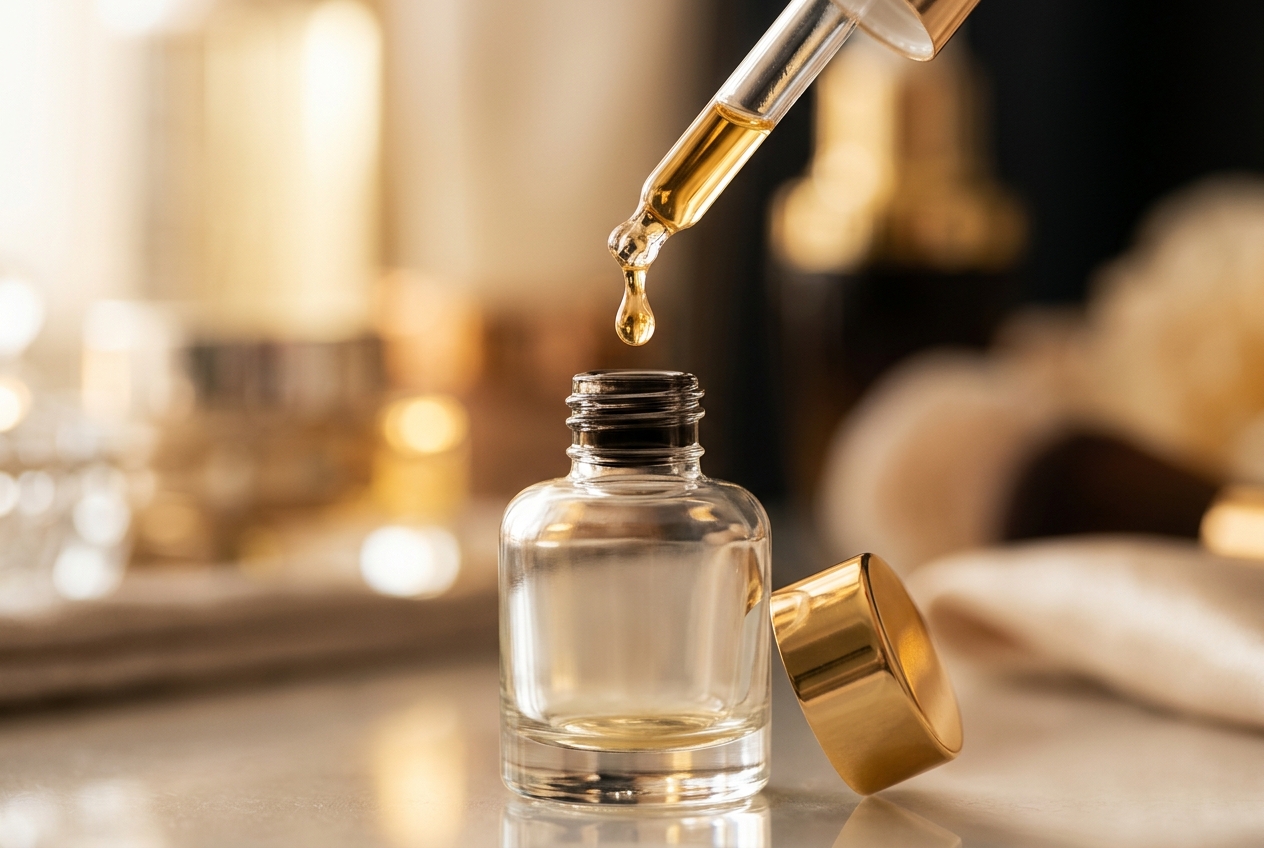
The convergence of cold-processing with other clean beauty trends—waterless formulations, upcycled botanicals, and biotechnology-derived actives—is spawning entirely new product categories. Enzyme-rich powdered cleansers, living probiotic serums, and fresh-pressed facial oils exemplify innovations made possible through temperature-controlled manufacturing.
As extraction and stabilisation technologies advance, we anticipate cold-processing becoming standard practice for premium skincare rather than a niche artisan technique. Brands exploring these methodologies today, including those available through Wellmax & Maxwell, are positioning themselves at the vanguard of a fundamental shift in luxury cosmetics manufacturing.
Ready to explore cold-processed formulation for your prestige skincare line? Our technical team specialises in developing artisan-quality products that preserve heat-sensitive actives whilst maintaining the rigorous safety and stability standards expected in ultra-luxury cosmetics. Contact us to discuss how cold-processing can elevate your brand's efficacy credentials and market positioning.