The ultra-luxury cosmetics sector has witnessed a profound shift towards cold-processed formulations, driven by discerning consumers who demand both efficacy and integrity in their skincare. As senior beauty professionals recognise, heat-sensitive actives represent some of the most potent ingredients available, yet traditional manufacturing methods often compromise their molecular structure and therapeutic potential.
Cold-processing techniques have emerged as the gold standard for artisan cosmetic houses seeking to preserve the delicate architecture of bioactive compounds. This approach fundamentally reimagines how we formulate, blend, and deliver active ingredients to the skin, offering possibilities that conventional heated processing simply cannot match.
Understanding Heat-Sensitive Actives in Modern Formulation
Heat-sensitive actives encompass a sophisticated category of ingredients whose molecular integrity degrades when exposed to elevated temperatures. These include enzymes, certain peptides, probiotics, vitamins C and A in specific forms, growth factors, and plant-derived compounds such as polyphenols and anthocyanins.
When subjected to heat during traditional emulsification processes—often reaching 70-80°C—these actives undergo structural changes that diminish their biological activity. Enzymatic actives denature, peptide chains unfold or cleave, and delicate vitamin structures oxidise. For brands positioning themselves in the prestige market, this degradation represents an unacceptable compromise in product performance.
The Science Behind Cold-Processing
Cold-processing maintains temperatures below 40°C throughout manufacturing, with many artisan producers working at ambient temperatures or below. This controlled thermal environment preserves the tertiary structure of proteins, maintains enzymatic activity, and prevents oxidative degradation of sensitive compounds.
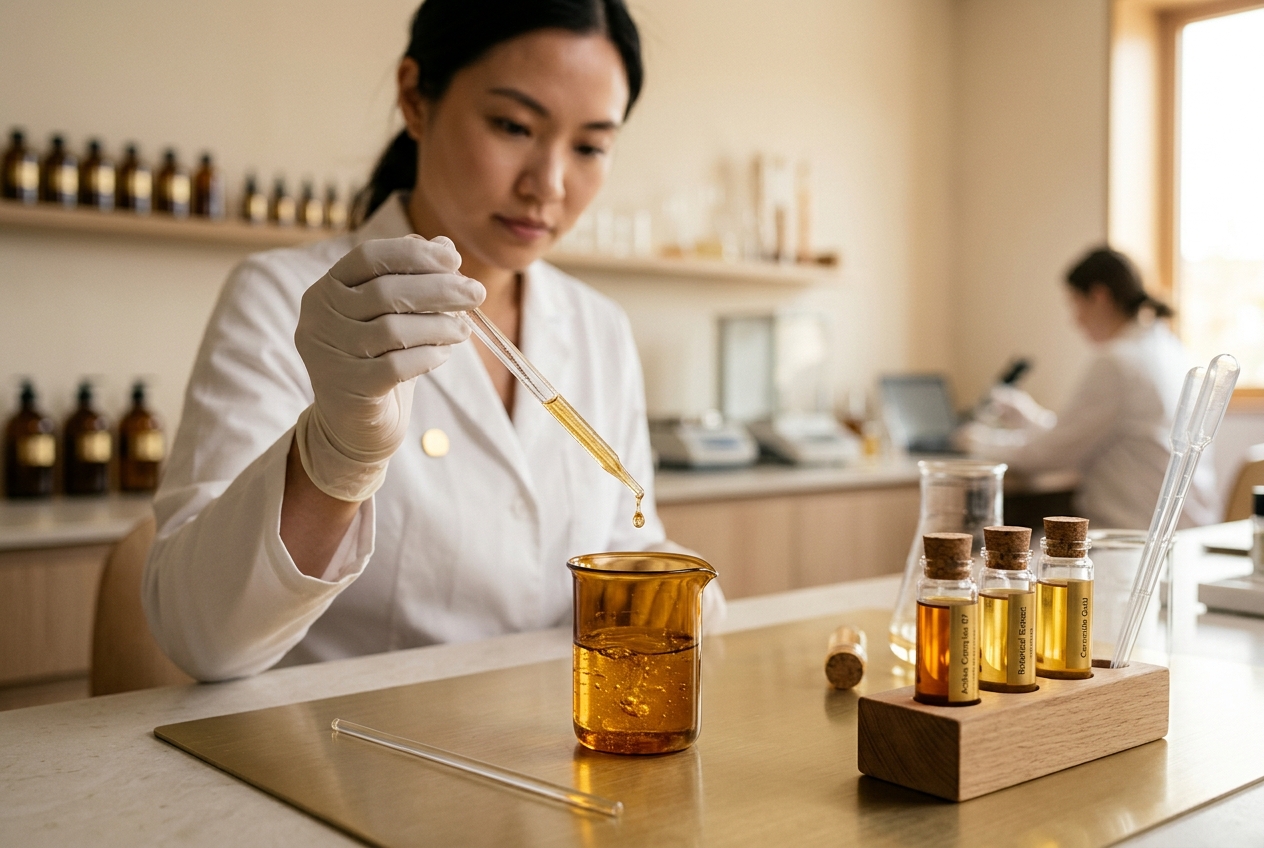
The technique requires specialised emulsification systems, often employing high-shear mixing, ultrasonic processing, or phase inversion temperature methods that achieve stable emulsions without thermal input. Quality contract manufacturing partners have invested significantly in cold-processing capabilities to meet the exacting standards of luxury brands.
Key Heat-Sensitive Actives Transforming Artisan Cosmetics
The cold-processing revolution has unlocked the potential of several ingredient categories previously difficult to formulate effectively. Bakuchiol, the plant-derived retinol alternative, demonstrates superior stability when processed without heat, maintaining its ability to stimulate collagen synthesis and reduce hyperpigmentation.
Living probiotics and postbiotics represent another frontier. These microbiome-supporting actives require cold-processing to preserve viable cultures and bioactive metabolites. Research from the skincare microbiome field indicates that heat-processed probiotic formulations show dramatically reduced colony-forming units compared to cold-processed alternatives.
Sea buckthorn, rosehip, and other botanical oils rich in unsaturated fatty acids and carotenoids retain their characteristic orange hue and antioxidant capacity when cold-processed, whereas heat extraction yields paler, less potent variants. Similarly, fresh plant extracts prepared through cold maceration or supercritical CO2 extraction deliver phytochemical profiles more closely aligned with the living plant.
Enzymatic Actives and Bio-Catalysts
Perhaps no category benefits more from cold-processing than enzymatic actives. Proteolytic enzymes such as papain, bromelain, and fruit-derived AHAs maintain their catalytic efficiency when formulated at low temperatures. These bio-catalysts provide gentle yet effective exfoliation, making them ideal for sensitive skin formulations in the luxury segment.
Superoxide dismutase, an antioxidant enzyme, retains measurable activity in cold-processed serums, offering genuine free-radical scavenging benefits rather than serving as a mere label claim. This authenticity resonates deeply with educated consumers who scrutinise ingredient lists and demand substantiated efficacy.
The Artisan Advantage: Quality Over Scale
Small-batch production inherently suits cold-processing methodologies. Artisan cosmetic houses can implement meticulous quality control, monitoring temperature throughout each production phase and conducting stability testing that ensures active potency from manufacture to application.
This approach aligns perfectly with the values of conscious luxury consumers who appreciate transparency, craftsmanship, and verifiable performance. Brands such as those featured in our Wellmax & Maxwell collection exemplify this commitment to uncompromising quality through controlled processing techniques.
Formulation Challenges and Solutions
Cold-processing does present unique challenges. Achieving stable emulsions without heat requires sophisticated understanding of surfactant chemistry and phase behaviour. Natural emulsifiers such as lecithin, cetearyl olivate, and plant-derived waxes must be selected carefully for their cold-processing compatibility.
Preservation becomes more critical, as traditional heat-processing provides some degree of bioburden reduction. Cold-processed formulations demand robust preservation strategies using carefully balanced systems of natural antimicrobials, including ferment extracts, organic acids, and multifunctional ingredients with inherent preservative properties.
Viscosity building without heat requires alternative thickening mechanisms. Natural gums, cellulose derivatives, and structured emulsions created through specific oil-to-water ratios replace the thickening traditionally achieved through cooling heated formulations.
Market Positioning and Consumer Communication
The cold-processed designation communicates sophistication and technical excellence to luxury consumers. Marketing materials should educate customers about the tangible benefits: higher active concentrations, superior stability, and enhanced efficacy compared to conventionally processed alternatives.
Transparent communication about processing methods builds brand credibility. Discerning consumers appreciate technical details when presented accessibly, understanding that premium pricing reflects genuine quality differentiators rather than marketing hyperbole.
The Future of Cold-Processed Luxury Cosmetics
As analytical techniques advance, brands can now substantiate active retention through before-and-after processing assays, providing concrete evidence of cold-processing benefits. This data-driven approach appeals to both professional buyers and educated consumers who demand accountability.
The intersection of cold-processing with other clean beauty movements—waterless formulations, upcycled ingredients, and carbon-conscious production—positions artisan brands at the vanguard of sustainable luxury. These synergies create compelling narratives that resonate across multiple consumer values simultaneously.
Cold-processed formulations represent more than a manufacturing methodology; they embody a philosophy of respect for ingredients, commitment to efficacy, and dedication to authentic luxury. For brands seeking differentiation in an increasingly crowded prestige market, embracing cold-processing techniques offers both technical advantages and powerful storytelling opportunities. Partner with experienced formulators who understand the nuances of temperature-sensitive actives to create truly exceptional products that deliver on their promises.