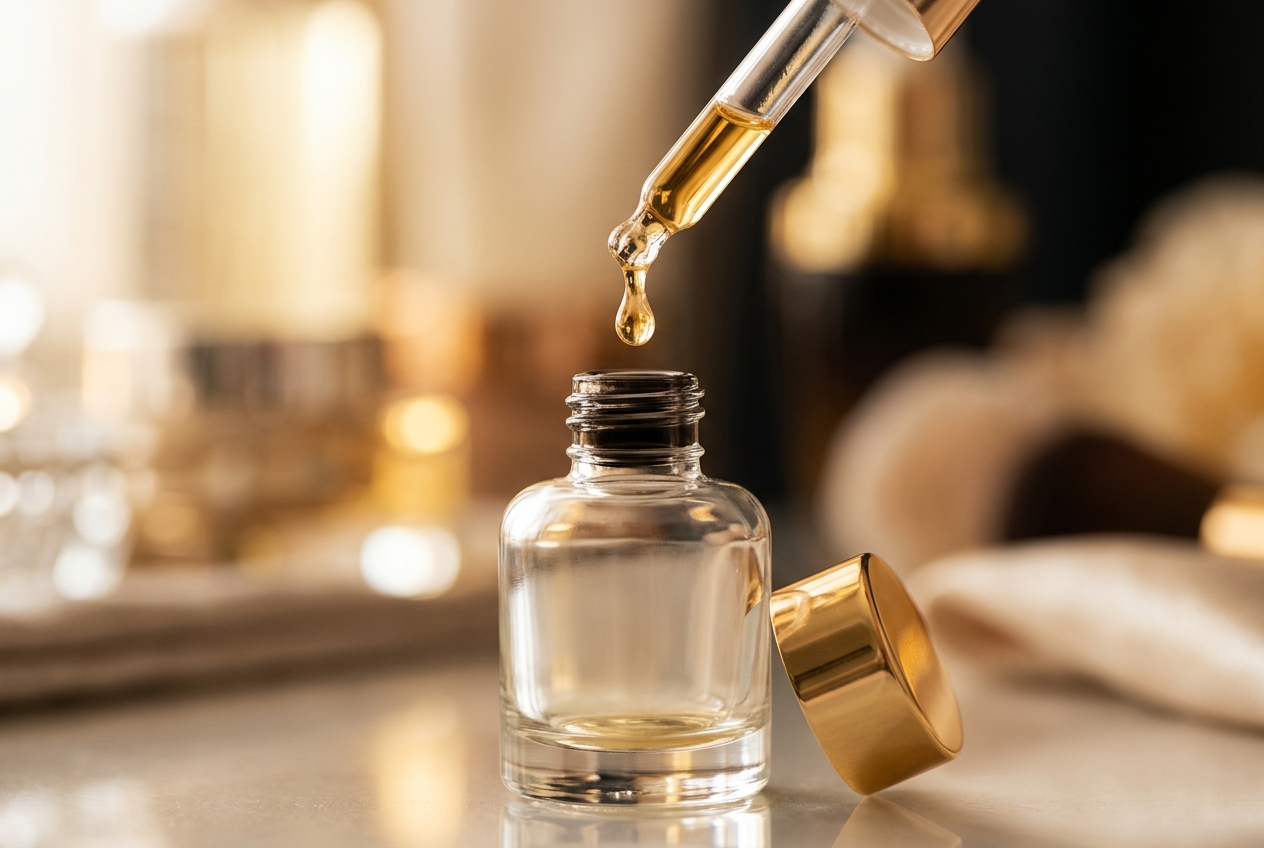
The beauty industry stands at a fascinating crossroads where dermatological rigour intersects with luxury sensibility. This convergence has given rise to what industry insiders term 'clean clinical' beauty—a category that refuses to compromise between scientific efficacy and sophisticated formulation. As consumers grow increasingly educated about skincare ingredients and their mechanisms of action, the demand for products that satisfy both intellectual scrutiny and sensorial pleasure has reshaped the prestige beauty landscape.
The Evolution of Clinical Luxury
Traditional dermatological products have long prioritised function over form, often arriving in utilitarian packaging with textures that feel more medicinal than indulgent. Conversely, luxury beauty has historically emphasised sensorial experience and elegant presentation, sometimes at the expense of demonstrable efficacy. The clean clinical movement dissolves this false dichotomy, recognising that today's discerning consumers expect both elements in equal measure.
This evolution reflects a broader sophistication in consumer understanding. Modern buyers research ingredients on platforms like the International Nomenclature of Cosmetic Ingredients (INCI) database, scrutinise clinical trials, and demand transparency regarding formulation choices. They seek products developed with the same rigour as pharmaceutical preparations, yet presented with the refinement befitting a luxury purchase.
Defining Clean Clinical Standards
The clean clinical category distinguishes itself through several core principles that set it apart from both conventional clinical skincare and traditional luxury beauty:
- Evidence-based formulation: Active ingredients selected based on peer-reviewed research and clinical studies demonstrating efficacy at specific concentrations
- Transparent ingredient disclosure: Complete INCI listings with clear explanations of each component's function and safety profile
- Dermatologist collaboration: Formulations developed in consultation with dermatological experts and tested under dermatological supervision
- Clean ingredient philosophy: Exclusion of potentially problematic ingredients whilst avoiding the pseudo-scientific scaremongering that plagues some 'clean' beauty movements
- Luxury execution: Sophisticated textures, elegant packaging, and refined sensorial profiles that justify premium positioning
Key Ingredients Driving the Category
Clean clinical formulations tend to centre on ingredients with robust scientific backing and established safety profiles. Retinoids remain foundational, though brands increasingly favour encapsulated delivery systems that minimise irritation whilst maintaining efficacy. Peptides have gained prominence, with specific sequences like Matrixyl and Argireline demonstrating measurable effects on collagen synthesis and expression lines respectively.
Alpha hydroxy acids, particularly glycolic and lactic acids, continue their reign as gold-standard exfoliants, now often paired with polyhydroxy acids for gentler action. Niacinamide has achieved near-ubiquitous status due to its multi-functional benefits and exceptional tolerability profile. Vitamin C formulations have evolved considerably, with brands moving beyond unstable L-ascorbic acid towards derivatives like tetrahexyldecyl ascorbate that offer superior stability without sacrificing potency.
The Prebiotic and Microbiome Dimension
Perhaps most significantly, the clean clinical category has embraced the skin microbiome as a frontier of innovation. Prebiotics, postbiotics, and carefully selected probiotics now feature in formulations designed to support the skin's natural ecosystem rather than disrupting it with harsh antimicrobials. This represents a philosophical shift from the 'scorched earth' approach of some clinical skincare towards a more nuanced understanding of cutaneous biology.
Formulation Challenges and Solutions
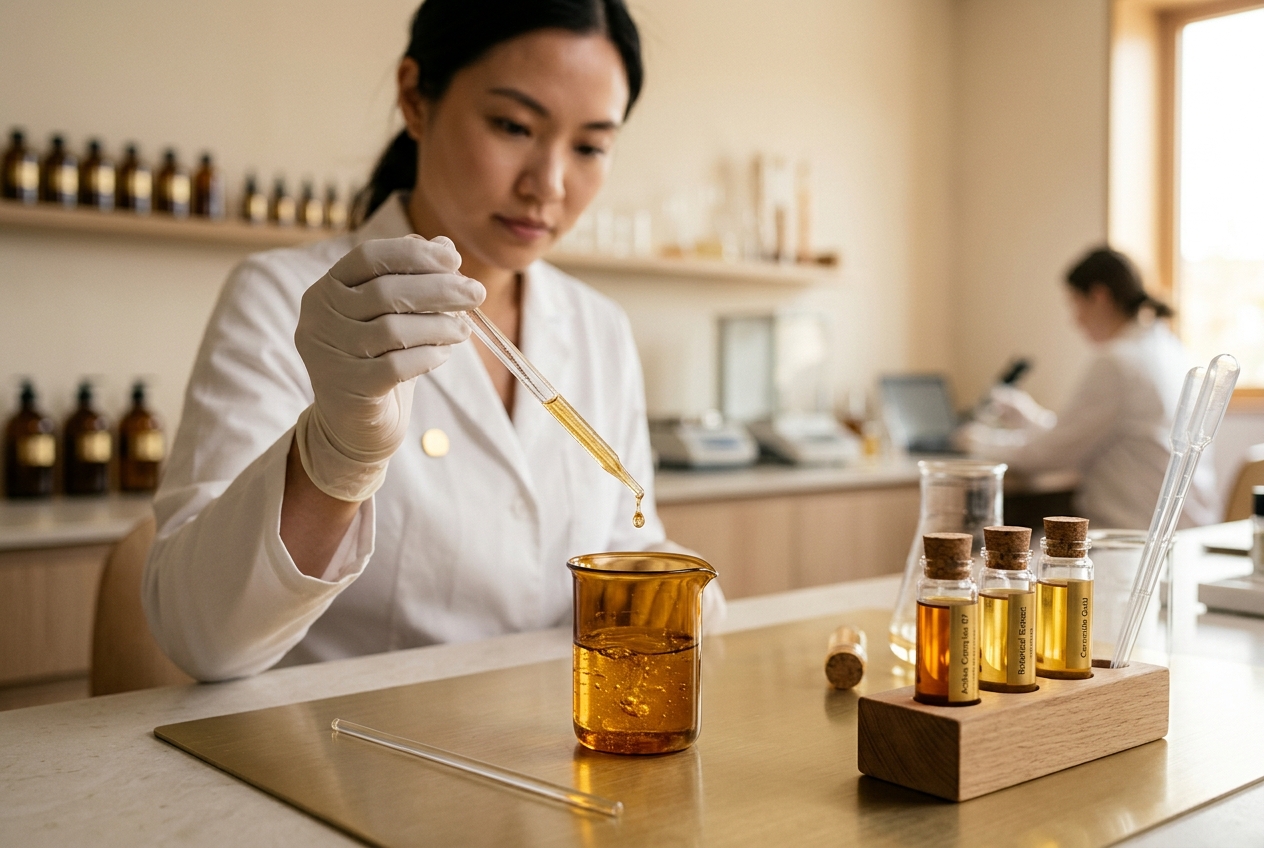
Creating clean clinical products presents unique challenges for manufacturers. Achieving clinical-grade concentrations of active ingredients whilst maintaining elegant textures requires sophisticated formulation expertise. Many potent actives prove incompatible with one another or with preservative systems that meet clean beauty standards. This is where experienced contract manufacturing partners prove invaluable, bringing formulation knowledge that balances efficacy, stability, safety, and sensorial appeal.
Preservation represents a particular challenge, as clean clinical brands typically eschew traditional preservatives like parabens and formaldehyde-releasers. Modern alternatives such as Leuconostoc/Radish Root Ferment Filtrate or specific combinations of naturally-derived acids require careful optimisation to ensure adequate protection across diverse storage conditions and usage scenarios.
The Business Case for Clean Clinical
From a commercial perspective, the clean clinical category occupies enviable territory. It commands luxury pricing whilst benefiting from the repeat-purchase patterns typical of efficacious skincare. Consumers invested in visible results demonstrate strong brand loyalty and higher lifetime values than those purchasing purely on aesthetic grounds.
The category also enjoys robust performance across multiple channels. It thrives in medical spas and dermatology clinics where professional endorsement validates efficacy claims, whilst its luxury positioning ensures success in prestige retail environments and high-end online platforms. Brands like Wellmax & Maxwell exemplify this dual appeal, offering formulations that satisfy both clinical and aesthetic criteria.
Regulatory Considerations and Claims Substantiation
Operating in the clean clinical space demands rigorous attention to regulatory compliance. In the UK and EU, cosmetic products must not make medicinal claims, yet consumers expect clean clinical products to deliver measurable results. This necessitates careful claims substantiation through clinical trials, instrumental measurements, and consumer perception studies that demonstrate benefits without crossing into therapeutic territory.
The requirement for GMP and ISO 22716 compliance becomes particularly critical in this category, as consumers expect pharmaceutical-grade quality standards. Transparent supply chains, validated manufacturing processes, and comprehensive stability testing form the foundation of credible clean clinical brands.
Embracing the Clean Clinical Future
The clean clinical movement represents more than a passing trend; it signals a maturation of both the beauty industry and its audience. As scientific literacy increases and consumers refuse to choose between efficacy and elegance, brands that master this duality will define the future of prestige skincare. Whether you're formulating your next hero product or curating a retail offering, the clean clinical category offers compelling opportunities for those committed to uncompromising quality and demonstrable results.